
Picking the best anime of 2017 is not the same as picking the most popular ones. This list follows the four broadcast seasons and selects, in each of them, the titles that viewers rated highest on MyAnimeList rather than the ones with the loudest fanfare. Each entry gets a short synopsis and an honest opinion, and every season ends with the rest of its line-up in brief so the year is not reduced to five or six names.
A quick note on how the calendar works, because it confuses many readers. Japanese television divides the year into four seasons of about three months, and a series usually runs for one season (12 episodes) or two (24 episodes). Winter starts in January, spring in April, summer in July and autumn in October. A title that airs in the autumn of one year can therefore finish in the winter of the next, which is why the end of a series sometimes lands in a different list.
Contents 17
Winter 2017: the quiet start
Winter is often the weakest season of the year, and 2017 was no exception. Few new titles stood out, and the strongest impressions came from continuations. Two new series still deserved attention.
Kobayashi-san Chi no Maid Dragon
While leaving for work, the programmer Kobayashi opens her door and finds a dragon waiting for her. The dragon is Tohru, who owes Kobayashi her life and insists on repaying the debt by becoming her live-in maid. Tohru learns to cook, clean and behave in human society, while other dragons arrive and turn the apartment into a small community.
My opinion: A comedy that could have been a one-joke premise and instead became one of the warmest shows of the year. Kyoto Animation gives the domestic scenes real weight, and the dragons are funny without being cruel. It is a series about chosen family disguised as a gag comedy.
Youjo Senki
An office worker is reborn in a world resembling early twentieth-century Europe, as a girl named Tanya Degurechaff. She joins the army, rises through the ranks with cold efficiency and treats the war as a career problem to be optimised. Her hatred of the entity that reincarnated her drives much of the plot.
My opinion: A strange but gripping series: the protagonist is not a hero and never pretends to be. The military detail is convincing, the battles are well staged, and Tanya's ruthless logic makes her fascinating rather than likeable. It is not for viewers who want a sympathetic lead.
Other winter titles worth a look: Little Witch Academia brought Trigger's cheerful magic school to television, Gabriel DropOut turned angels and demons into slacking students, Kuzu no Honkai was an unusually honest drama about unhappy relationships, and ACCA: 13-ku Kansatsu-ka offered a slow political mystery with a distinctive art style.
Spring 2017: the strongest line-up
Spring was the best season of the year, with a mix of romance, fantasy and returning favourites. Picking one title was harder here than anywhere else.
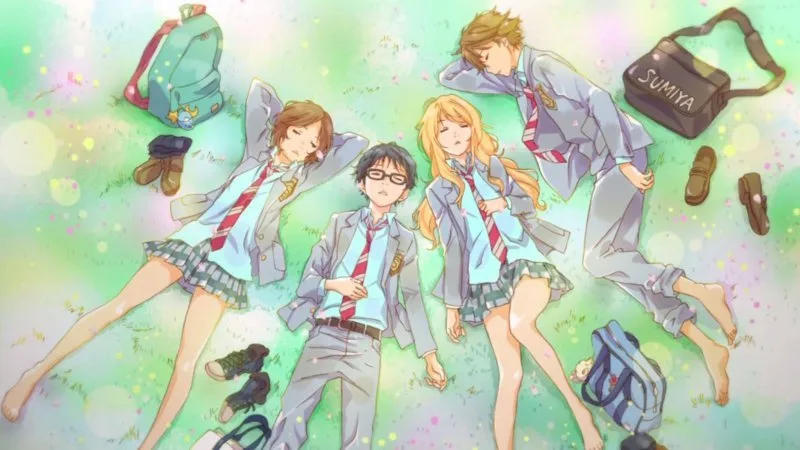
Tsuki ga Kirei
Two shy middle-school students, Akane and Kotarou, meet through a class project and start a relationship that is mostly built out of text messages, awkward silences and missed signals. The series follows a single school year, including the entrance exams that will decide where they study next.
My opinion: A quiet romance that understands how much of teenage love happens in small details. The animation is restrained, the dialogue feels real, and the final episodes handle change without melodrama. It is the best romance of the season and one of the most honest shows of the year.
Also strong in spring: Alice to Zouroku paired a runaway girl with psychic powers and a grumpy old man, Re:Creators put fictional characters into a debate about their creators, Rokudenashi Majutsu Koushi to Akashic Records delivered a competent magic-school story, and Saenai Heroine no Sodatekata Flat continued its story about making a dating sim. SukaSuka mixed fantasy and tragedy in a way that stayed with many viewers.
Summer 2017: the surprise hit and the dancing
Summer looked thin on paper and ended up producing the most discussed new series of the year. It also brought one of the best sports adaptations in recent memory.
Made in Abyss
Riko lives in a town at the edge of a gigantic abyss that adventurers explore for relics. When she finds a robot boy named Reg, the two decide to descend to find Riko's mother at the bottom. The deeper they go, the less the place follows the rules they know.
My opinion: Beautiful, slow, and far crueller than its character designs suggest. The series earns its reputation: the sense of wonder is real, and so is the dread. Viewers sensitive to dark material should be warned, but for everyone else it is the standout of the year.
Ballroom e Youkoso
Tatara Fujita is a directionless middle-schooler who is dragged into a dance studio and discovers competitive ballroom dancing. He partners with the talented Shizuku and enters a world of strict etiquette, intense rivalry and constant physical training.
My opinion: A sports anime about dancing should not work this well, but the series makes every competition feel like a fight. The animation of the dance sequences is expressive, and Tatara's growth is handled with patience. It made ballroom dancing look genuinely exciting.
Youkoso Jitsuryoku Shijou Shugi no Kyoushitsu e
At a prestigious high school where classes are ranked by merit, students receive points that act as money. Class 1-D is the lowest tier and is treated accordingly. Kiyotaka Ayanokouji, an unremarkable student, begins to manipulate his classmates towards the top.
My opinion: A psychological game disguised as a school story. The protagonist keeps secrets from the audience, the class politics are cruel, and the series is smarter than its premise suggests. It is uneven in places, but the central idea carries it.
New Game!!
Aoba Suzukaze joins a game studio as a character designer and discovers that making games is mostly deadlines, revisions and teamwork. The second season adds new responsibilities, a rival team and the first taste of managing other people.
My opinion: A workplace comedy that is genuinely about work, without turning into a documentary. The cast is likeable, the jokes land, and the series respects the craft of game development. A comfortable watch that improves on its first season.
The rest of the summer: Kakegurui turned gambling into high melodrama, Gamers! was a mistaken-identity romantic comedy, Princess Principal delivered stylish spy adventures, Tsurezure Children collected short and sweet romance sketches, and Isekai Shokudou served fantasy food to a new customer every week. Fate/Apocrypha split opinions but had strong action.
Autumn 2017: the strongest finish
Autumn was packed with unusual premises and beautiful art. Three titles stood out, each of them very different from the others.
Houseki no Kuni
In a distant future, gem people live on an island and defend themselves against moon dwellers who want to take them away. Phos, one of the weakest gems, loses parts of the body and gains new abilities, slowly changing from a careless child into something harder and stranger.
My opinion: The CGI animation was the year's biggest risk and one of its biggest successes. The gems look genuinely crystalline, and the series uses the medium instead of imitating hand-drawn art. The story is melancholic and patient, and the last episodes are remarkable.
Mahoutsukai no Yome
Chise Hatori is sold at an auction and bought by the mage Elias Ainsworth, who makes her his apprentice and his future bride. Chise can see spirits, and the world of faeries around her is beautiful and dangerous at the same time.
My opinion: A fantasy series that feels like an old illustrated book. The pacing is calm, the magic has rules, and the relationship between Chise and Elias is unusual but never rushed. It is the most atmospheric show of the season.
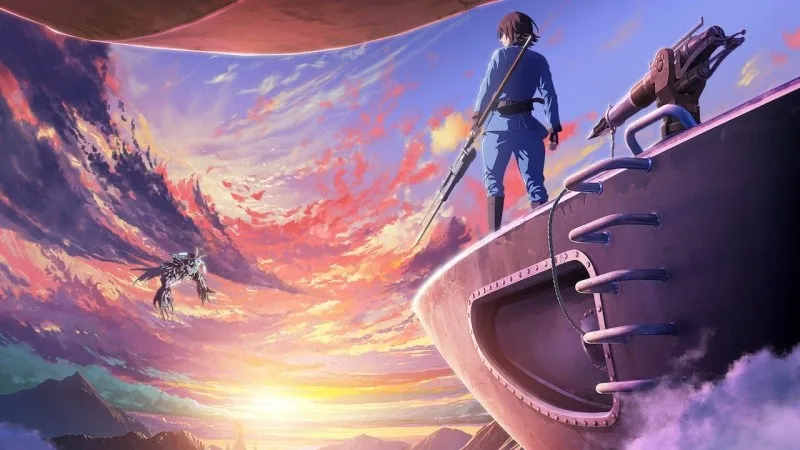
Shoujo Shuumatsu Ryokou
Two girls travel through the ruins of a vanished civilisation on a tracked vehicle. They have no destination and no explanation for what happened to the world, and their conversations are about food, sleep and small discoveries.
My opinion: A quiet post-apocalypse that avoids both action and despair. The scenery is desolate, the tone is gentle, and the series finds wonder in trivial things. It is the kind of story that lingers after the credits.
Also in autumn: Inuyashiki mixed body horror with an unlikely hero, Kekkai Sensen & Beyond returned with more chaos in a city of monsters, Juuni Taisen staged a deadly tournament, Blend S was a light comedy about a themed cafe, and Net-juu no Susume told a sweet story about an online friendship. Kino no Tabi returned with a new adaptation.
Continuations that deserved the attention
The year was also notable for strong second seasons and long-running shows. These were not new series, but they shaped the year as much as the debuts.
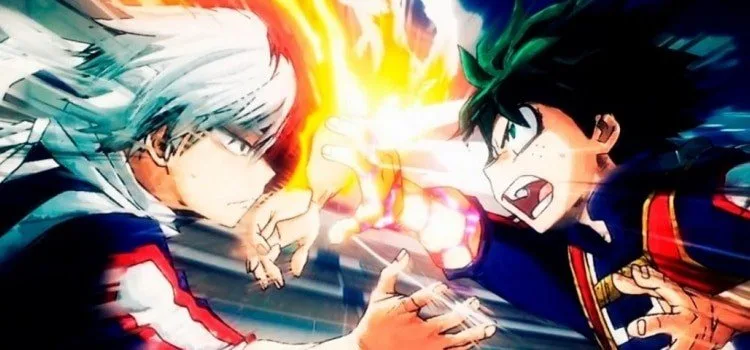
Kono Subarashii Sekai ni Shukufuku wo! 2 kept the comedy at the same level as the first season and gave Megumin and the rest more room to be ridiculous. Boku no Hero Academia second season expanded the cast and delivered the tournament arc that many readers had waited for. Shingeki no Kyojin Season 2 was short but concentrated, with revelations that changed the story. Natsume Yuujinchou Roku continued its gentle stories about spirits and memory. Uchouten Kazoku 2 returned to its world of tanuki and family politics with the same sense of humour. Shokugeki no Souma: San no Sara raised the stakes in the cooking competitions, and Gintama. continued its long run with the same mix of parody and seriousness.
The complete list by season
For reference, here are the main television titles of each season, including the ones that did not make the selection above. The lists are not exhaustive, but they cover most of what aired in Japan during the year.
Winter: Kobayashi-san Chi no Maid Dragon, Youjo Senki, Little Witch Academia, Gabriel DropOut, Kuzu no Honkai, ACCA: 13-ku Kansatsu-ka, Demi-chan wa Kataritai, Masamune-kun no Revenge, Seiren, Fuuka, Akiba's Trip, One Room, Chaos;Child, Hand Shakers, elDLIVE, Idol Jihen.
Spring: Tsuki ga Kirei, Alice to Zouroku, Re:Creators, Rokudenashi Majutsu Koushi to Akashic Records, Saenai Heroine no Sodatekata Flat, SukaSuka, Eromanga Sensei, Zero kara Hajimeru Mahou no Sho, Tsugumomo, Renai Boukun, Sakura Quest, Atom: The Beginning, Hinako Note, Frame Arms Girl, Fukumenkei Noise, Kabukibu.
Summer: Made in Abyss, Ballroom e Youkoso, Youkoso Jitsuryoku Shijou Shugi no Kyoushitsu e, New Game!!, Kakegurui, Gamers!, Princess Principal, Tsurezure Children, Isekai Shokudou, Fate/Apocrypha, Koi to Uso, Jigoku Shoujo: Yoi no Togi, Shoukoku no Altair, Hitorijime My Hero, Keppeki Danshi! Aoyama-kun, Aho Girl, Netsuzou TRap, Hajimete no Gal, Senki Zesshou Symphogear AXZ, Katsugeki Touken Ranbu.
Autumn: Houseki no Kuni, Mahoutsukai no Yome, Shoujo Shuumatsu Ryokou, Inuyashiki, Kekkai Sensen & Beyond, Juuni Taisen, Blend S, Kino no Tabi, Just Because!, Net-juu no Susume, Osomatsu-san 2, Shokugeki no Souma: San no Sara, UQ Holder!, Mahoujin Guru Guru, Himouto! Umaru-chan R, Love Live! Sunshine!! 2, Konohana Kitan, Ousama Game, Imouto sae Ireba Ii, Garo: Vanishing Line.
Conclusion
2017 produced no single overwhelming hit. Instead it offered many good series in different registers. If you only watch one, start with Made in Abyss or Tsuki ga Kirei, depending on whether you want intensity or warmth. If you want something unusual, try Houseki no Kuni. And if you prefer to laugh, Kobayashi-san Chi no Maid Dragon and KonoSuba 2 are the safest choices.
Read more: Kakegurui characters and manga, My Hero Academia curiosities, Shokugeki no Souma curiosities, the best sad anime and anime to watch before dying.


Community
Comments
0 comments
There are no published comments in this language yet.
Send comment