
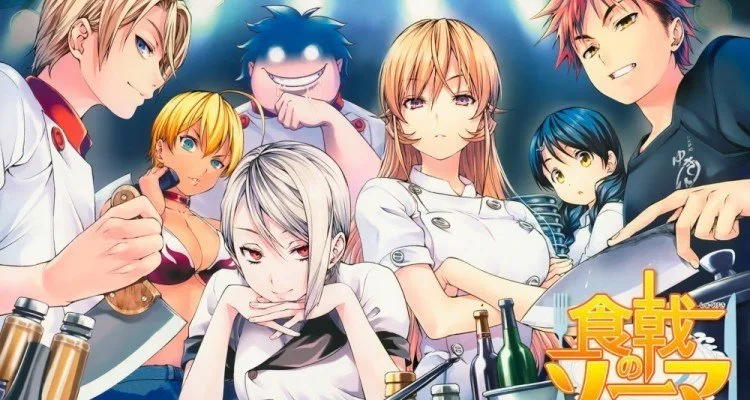
Warning: spoilers ahead. Shokugeki no Soma, known internationally as Food Wars!, became one of the most recognizable cooking anime because it turns every dish into a dramatic showdown. Behind the jokes and exaggerated reactions, the series mixes real culinary ideas with the pacing of a battle shounen.
Contents 6
Why the series stood out so quickly
The manga was written by Yūto Tsukuda, illustrated by Shun Saeki, and supported by culinary consultant Yuki Morisaki. That trio gave the story a rare balance. The art sells the intensity, while the cooking itself usually feels grounded enough to make viewers curious about the recipes.
The premise is simple and effective. Soma Yukihira grows up helping at his family's diner, then enters the elite Tōtsuki Culinary Academy after his father sends him there to sharpen his skills. From that point on, the fun comes from watching each chef turn technique, background, and personality into a signature dish.
What a shokugeki really is
Inside the story, a shokugeki is not just any cooking contest. It is a formal cook-off with stakes attached. Students can put prestige, club activities, school positions, and even their future at Tōtsuki on the line. That rule gives the series real tension from the start.
Tōtsuki also feels memorable because the school is more than a backdrop. The training camps, dorm life, research societies, festival arcs, and ranking system make the academy feel alive. Even small details, like the official mascots Dog-kun and Chef-kun, help the setting feel distinct.
Real cooking is part of the appeal
One reason the franchise lasted so well is that the food is not there just for decoration. Many dishes are based on real techniques, and Yuki Morisaki's involvement gave the manga a stronger culinary backbone. That is why so many fans ended up searching for recreations of the meals after watching an episode.
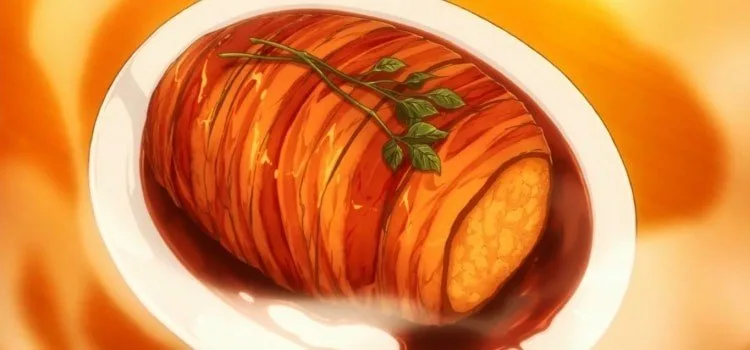
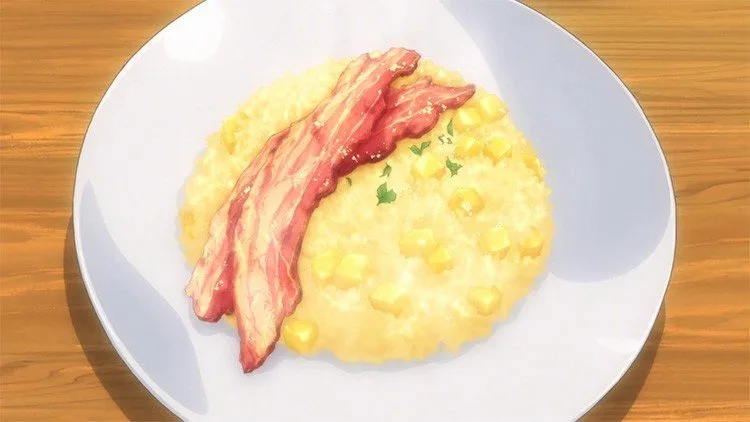
If that part of the series interests you most, there is a natural related read on the site: the roasted bacon recipe from Shokugeki no Souma. It shows how easily the anime pushes viewers from entertainment into real kitchen curiosity.
Trivia many fans overlook
- The original manga ran from 2012 to 2019 and was collected in 36 volumes.
- The anime adaptation by J.C.Staff aired across five seasons between 2015 and 2020.
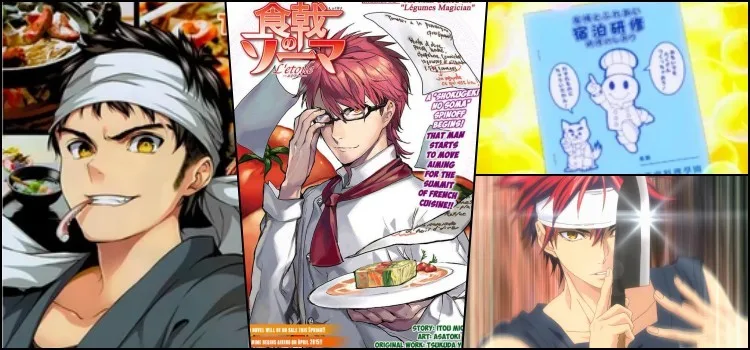
- The spin-off Shokugeki no Soma: L'etoile focused on Kojiro Shinomiya and expanded one of the series' most respected chefs.
- The franchise also received light novels and two games released in Japan in 2015.
- The long wait before the Elite Ten is fully explored helps later school politics feel bigger than the early arcs first suggest.
Characters matter as much as the food
Soma works as a lead because he is inventive without pretending to be polished. He experiments, takes losses personally, and keeps moving forward even when he is outclassed. That restless energy gives the series momentum.
Erina Nakiri adds pressure because her reputation and palate set the standard for everyone around her. Megumi Tadokoro, Takumi Aldini, and the rest of the cast keep the story from feeling repetitive because each rival brings a different cooking identity instead of the same kind of challenge with a new face.
The professional side of cooking also helps the story age well. Training under pressure, surviving festival service, and building a menu remind the reader that talent alone is never enough in a real kitchen.
Why Food Wars still has loyal fans
Even people who dislike the fan service often admit that Shokugeki no Soma understands rhythm. It knows when to explain a dish, when to introduce a rival, and when to let a tasting scene become a punch line. That balance is a big part of why the series stayed so visible for years.
The strongest detail is that food reflects character. In this series, a dish is never just a dish. It carries pride, insecurity, training, ambition, and personal style. That is what makes Food Wars! more memorable than many anime that only use cooking as decoration.
For another kitchen-themed follow-up, the site also has a piece on anime that bring the shounen spirit into the kitchen.

Community
Comments
0 comments
There are no published comments in this language yet.
Send comment