
Jun Maeda (前田純) is one of the most influential names in the world of visual novels and anime, known for his emotional narratives and unforgettable soundtracks. As a writer, composer and co-founder of Key Studios, he played a central role in the evolution of modern visual novels and set a quality standard that shaped both the games industry and its anime adaptations.
For all his undeniable talent, Maeda's journey has been marked by challenges — from early-career setbacks to health problems that, years later, ended up echoing the very stories he had written. His works — Clannad, Angel Beats!, Little Busters!, among others — explore universal themes of love, loss and hope, and have earned him devoted fans in Japan and around the world.
Contents 14
The Works of Jun Maeda: a Legacy of Emotion and Creativity
Jun Maeda is behind some of the most distinctive works in the visual novel and anime universe, each carrying his signature blend of emotional themes and layered storytelling. Below is a tour through his major creations.
Kanon (1999)
One of Key's early breakthrough works, Kanon combines romance with supernatural elements. The story follows Yuichi Aizawa, who returns to the city where he spent part of his childhood and is confronted with lost memories, a handful of very different girls, and quietly magical events that gradually change his life. The original release helped define the visual novel "nakige" (crying) genre.
Air (2000)
Air is a visual novel that digs into family bonds and unconditional love. Yukito Kunisaki, a traveler in search of the "girl with wings" from an ancient legend, meets Misuzu Kamio — a shy, mysterious girl whose past is tied to that legend. The narrative is emotionally intense and addresses themes of sacrifice and destiny.
Clannad (2004) — Maeda's Most Famous Work
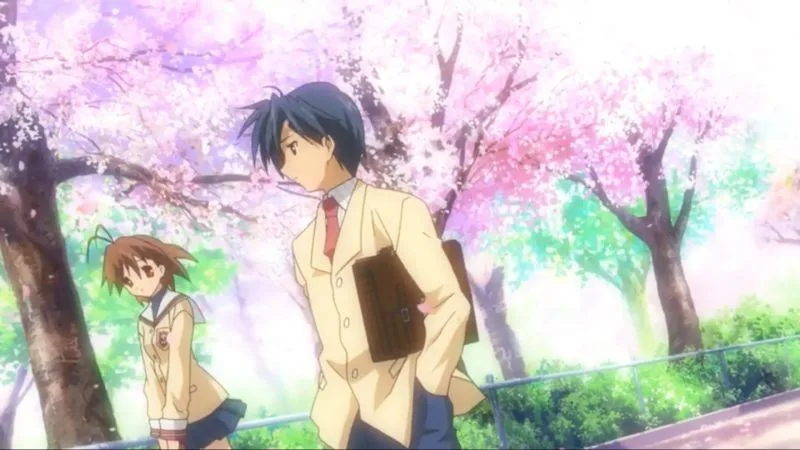
Perhaps Maeda's most iconic work, Clannad follows the everyday life of Tomoya Okazaki and his relationship with Nagisa Furukawa. More than a romance, the story deals with family, redemption and the struggle to overcome hardship. The After Story arc is widely regarded as one of the most emotionally powerful narratives in the visual novel medium.
Little Busters! (2007)
With a focus on friendship and the meaning of staying together, Little Busters! tells the story of a group of friends who form a kind of surrogate baseball team while supporting each other through personal challenges. The plot mixes light comedy with sudden emotional turns, again showing Maeda's signature balance.
Angel Beats! (2010)
Although it started as an anime (and later received visual novel adaptations), Angel Beats! is one of Maeda's most impactful projects. The story takes place in a post-death world, where characters must confront their regrets and find peace. The mix of drama, fantasy and music composed by Maeda himself makes it unforgettable.

Charlotte (2015)
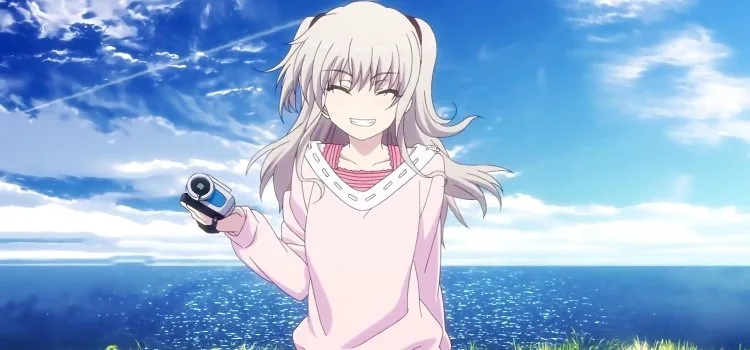
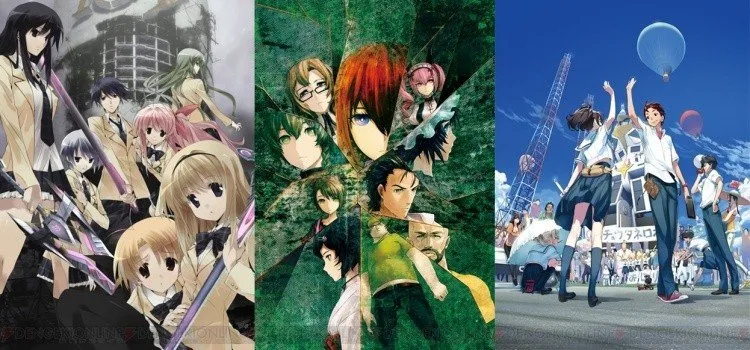
In Charlotte, Maeda explores superpowers in a very different register. The story follows Yū Otosaka, a teenager who discovers he can take over other people's bodies for a few seconds. As the plot unfolds, it becomes an emotional journey of self-discovery, responsibility and sacrifice — and one that ends on a note very different from the typical high-school superpower setup.
Summer Pockets (2018)
One of Maeda's most recent works, Summer Pockets is a visual novel focused on summer memories, regret and reconciliation. It follows Hairi Takahara, who visits a small coastal island and gradually discovers how the lives of the locals are connected to mysterious, deeply emotional events from the past.
Early Steps and Rise at Key Studios
The Years Before Key
Before founding Key, Maeda worked on titles such as Moon. and One: Kagayaku Kisetsu e. Those projects were his first steps in the industry and gave him space to sharpen his craft as a scenario writer. Although those earlier works were well received, it was at Key that he truly found room to innovate and stand out.
In 1998, Key Studios was founded, and Maeda quickly became a central figure, working on titles such as Kanon and Air. Those visual novels brought a new emotional depth to the genre, layering magical realism and family themes that remain trademarks of his writing today.
The Emotional Formula Behind His Success
Maeda became known for crafting stories that consistently move their audiences to tears. He combines layered characters with weighty themes — family relationships, different forms of love, loss — and tends to work within a recognizable structure:
- Revealing a hidden past — traumas or secrets are gradually uncovered.
- Memorable moments — emotional bonds are formed between characters and audience.
- An intense climax — a turning point that defies expectations.
- A bittersweet ending — melancholic conclusions that stay with the reader long after the credits roll.
Those elements are easy to spot in Clannad, where family dynamics and the everyday challenges of parenthood are explored in a way few other works have attempted.
Angel Beats! — a Work That Echoed His Own Life
Even though Angel Beats! didn't start as a visual novel, it is one of Maeda's most personal projects. The story unfolds in a post-death world where characters must confront their pasts in order to move on. The mix of drama, fantasy and Maeda's own music is what gives the work its particular weight.
The relationship between the protagonist Otonashi and Angel (Tenshi) is at the heart of the narrative, carrying themes of sacrifice and redemption. In hindsight, the most unsettling part of Angel Beats! is not fictional at all: elements such as heart transplants and medical emergencies — written into the story as narrative beats — would later echo Maeda's real life in a way no one could have predicted.
The Real-Life Irony
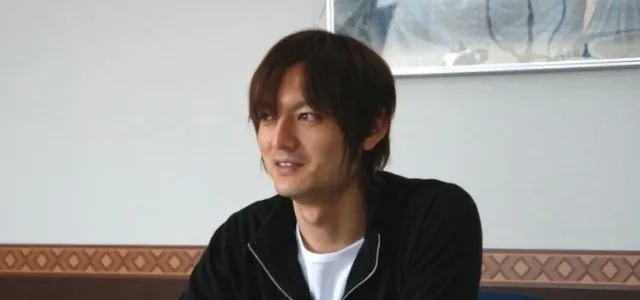
In 2016, Jun Maeda publicly announced that he had been hospitalized with idiopathic dilated cardiomyopathy, a serious condition affecting the heart. He required ongoing treatment and later confirmed he needed a heart transplant. In a tragic turn of events, his own life began to mirror the stories he had written.
Even while facing these challenges, Maeda has remained optimistic and determined to keep writing. His commitment to his craft and the connection he keeps with his fans are part of what makes his story remarkable — and part of why the irony of his own narrative is impossible to ignore.
The Legacy of Jun Maeda
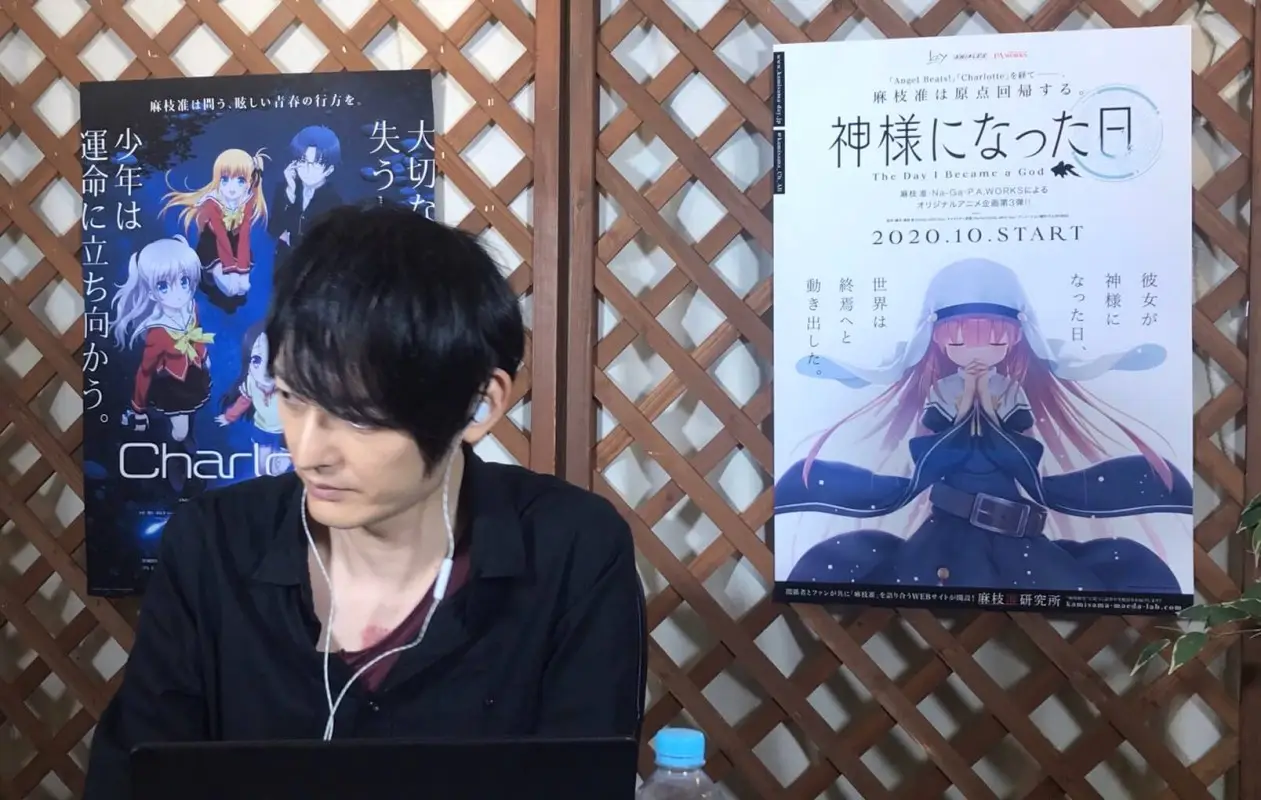
Jun Maeda is more than a creator — he is an inspiration. His stories and music continue to move and connect people across cultures. The depth of his writing, combined with his musical talent, ensures that his legacy will remain alive for a long time to come.
Whether through his visual novels or his anime work, Maeda has shown how art can touch the heart and cross cultural boundaries. He remains a foundational figure in the visual novel medium — proof that even the most difficult chapters of a life can be met with passion, persistence, and a refusal to stop telling stories.




Community
Comments
0 comments
There are no published comments in this language yet.
Send comment