
Japan was never formally colonized by a European power, but that short answer needs context. Foreign states tried to pressure, trade with, convert, or invade Japan at different moments, and the country also spent centuries divided by internal warfare. If the question is about political unification, the usual answer is that Japan was brought together in stages between the late 1500s and the early 1600s by Oda Nobunaga, Toyotomi Hideyoshi, and Tokugawa Ieyasu.
Contents 8
Was Japan ever colonized?
In the usual historical sense, no. Japan was not turned into a European colony the way India, the Philippines, Indonesia, or large parts of Africa were. Portuguese and Spanish missionaries reached Japan in the 16th century, but they did not establish colonial rule over the archipelago. The Mongol Empire also tried to invade in 1274 and 1281, yet both expeditions failed.
That said, saying “Japan was never colonized” can oversimplify things. In the 19th century, Japan faced intense foreign pressure after Commodore Perry forced the opening of Japanese ports in the 1850s. The unequal treaties with Western powers weakened Japanese control over trade and legal jurisdiction, so some historians describe that phase as semi-colonial pressure rather than full colonization.
Later, after World War II, Japan lived under Allied occupation from 1945 to 1952. That occupation reshaped the country, but it was not the same as a classic colony ruled for extraction over generations.
Why Japan avoided formal colonization
- Island geography made large-scale conquest harder than on the Asian mainland.
- Military resistance mattered, from the failed Mongol invasions to the ability of Japanese rulers to hold off outside control.
- The Tokugawa shogunate’s foreign policy restricted missionary activity and tightly controlled trade for more than two centuries.
- The Meiji Restoration accelerated modernization, letting Japan renegotiate its position instead of being partitioned by European empires.
When was Japan unified?
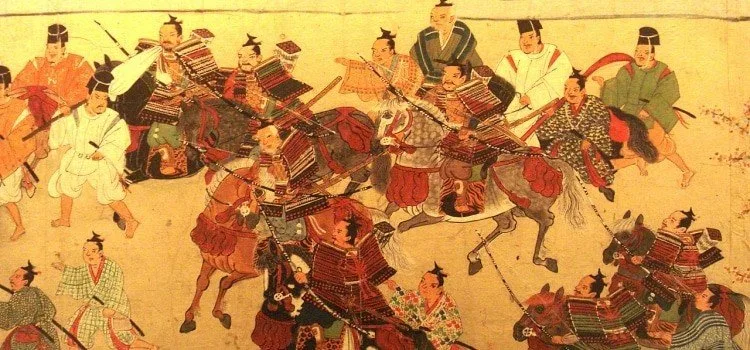
This also depends on what “Japan” means. A much earlier Yamato state emerged in ancient Japan, but when people ask this question they usually mean the end of the Sengoku period, the long age of civil war between competing daimyo.
In that more common sense, Japan was unified in stages. Nobunaga broke the old balance of power after 1568, Hideyoshi brought most of the country under one authority by 1590, and Tokugawa Ieyasu secured lasting control after the Battle of Sekigahara in 1600. His appointment as shogun in 1603 marks the start of the Tokugawa shogunate, while the fall of Osaka in 1615 is often treated as the final end of organized resistance.
Oda Nobunaga: the first major unifier
Oda Nobunaga was the warlord who changed the political map of Japan. He entered Kyoto in 1568, crushed rivals, weakened militant Buddhist institutions, and used firearms and logistics more effectively than many of his enemies. He did not finish the unification himself, but he made it possible.
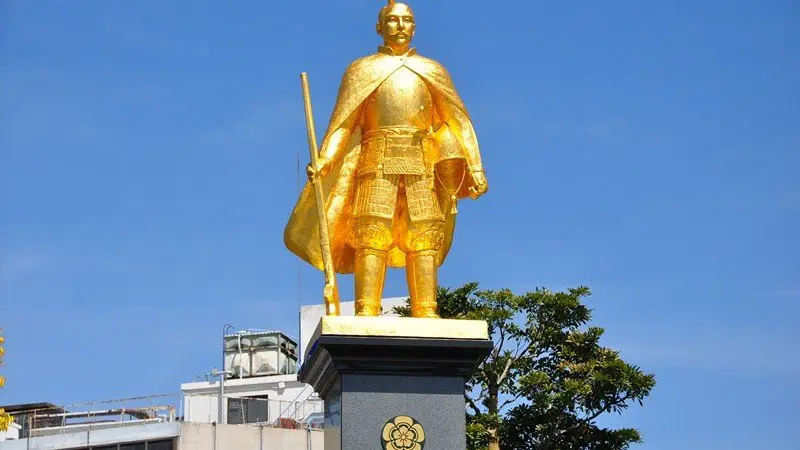
Toyotomi Hideyoshi: the ruler who finished most of the work
After Nobunaga’s death in 1582, Toyotomi Hideyoshi defeated his rivals and extended control across Shikoku, Kyushu, and the Kanto region. By 1590, after the siege of Odawara, most historians treat Japan as politically unified under Hideyoshi, even if the system was not yet fully stabilized.
Hideyoshi also launched land surveys, sword hunts, and class controls that helped turn military victory into central authority. He tried to project that power abroad through the invasions of Korea, but those wars drained resources and did not create a durable overseas empire.
Tokugawa Ieyasu: the ruler who made the union last
Tokugawa Ieyasu won the Battle of Sekigahara in 1600 and established the Tokugawa shogunate in 1603. That is why many books treat 1600 or 1603 as the clearest date for the unification of Japan. The Tokugawa order then created more than two centuries of relative internal peace.
If you want the broader background, this overview of the feudal shogunate in Japan helps explain how Tokugawa rule organized the country, while the article on the Meiji Restoration and imperial Japan shows how the country responded once Western pressure became impossible to ignore.
Why this question causes confusion
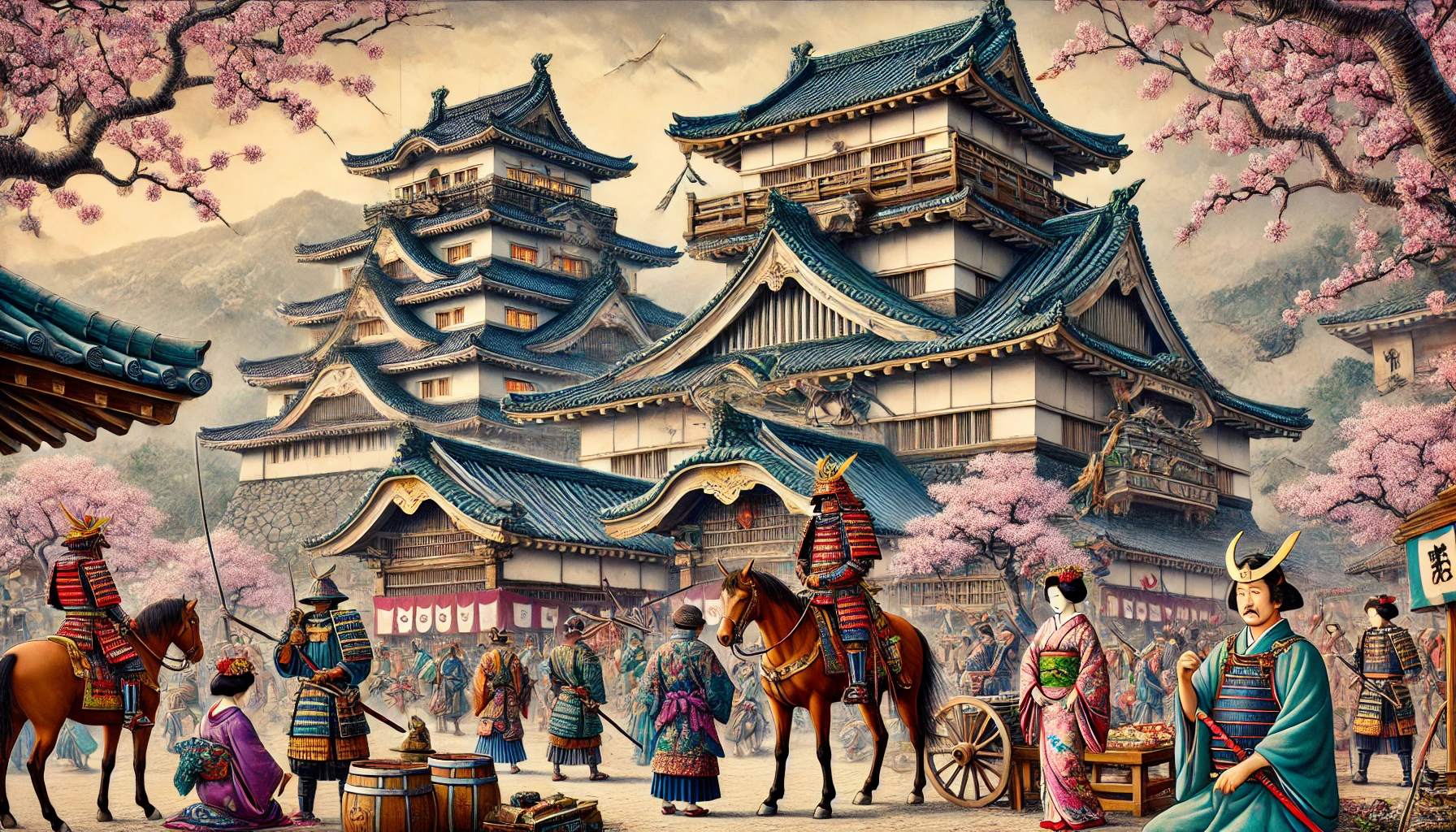
The confusion comes from mixing three different ideas: outside influence, military invasion, and colonial rule. Japan absorbed strong cultural influences from China and Korea, repelled the Mongol invasions, faced unequal treaties from Western powers, and later came under Allied occupation. None of those stages is identical, and only some historians use “semi-colonial” to describe the late Tokugawa crisis.
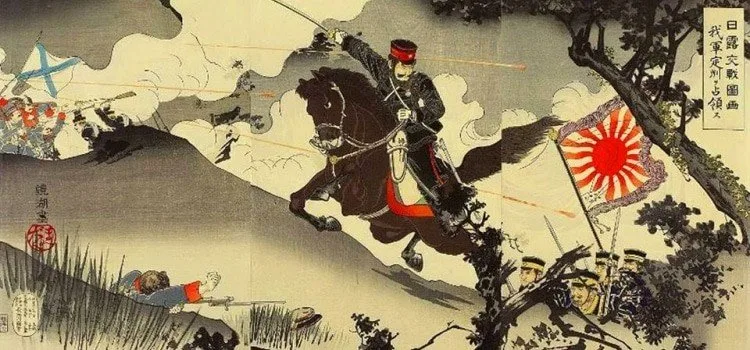
Another source of confusion is that Japan eventually became a colonizing power itself. From the late 19th century onward, the Japanese Empire expanded into Taiwan, Korea, Manchuria, and other parts of Asia. So the better summary is not “Japan was untouched by empire,” but “Japan avoided formal Western colonization and then built an empire of its own.”
Quick answer
Japan was not formally colonized by a European power. The country was unified in stages between 1568 and 1615, with Oda Nobunaga starting the process, Toyotomi Hideyoshi extending control, and Tokugawa Ieyasu establishing the stable shogunate that made unification last.


Community
Comments
0 comments
There are no published comments in this language yet.
Send comment