

People often expect Japanese teenagers to look like finished adults: quiet, already thinking about the company they will join. Then you hear about a classroom where someone is asleep on the desk, someone else is shouting, and the picture stops looking like a morality poster.
Try to consider that this topic is relative and does not represent all young people. We are fully aware that each human being is different from one another. Therefore, we will highlight words in bold to emphasize that we are not referring to everyone.
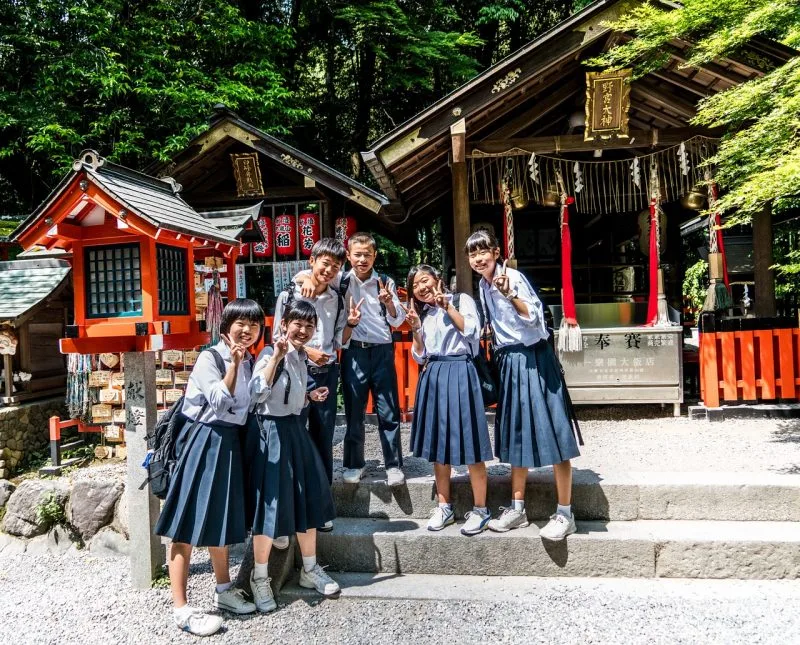
Some young people simply sleep, shout, or cause trouble in the middle of the classroom, sometimes even more than in the West. They are young and do crazy things like in any country, despite having glaring differences.
Contents 3
The behavior of Japanese vs. Western youth
Western youth tend to be disrespectful, rebellious, and do what they want without thinking about the consequences. In Japanese culture, being rude or disrespectful is something terrible and brings negative consequences for both the young person and their entire family.
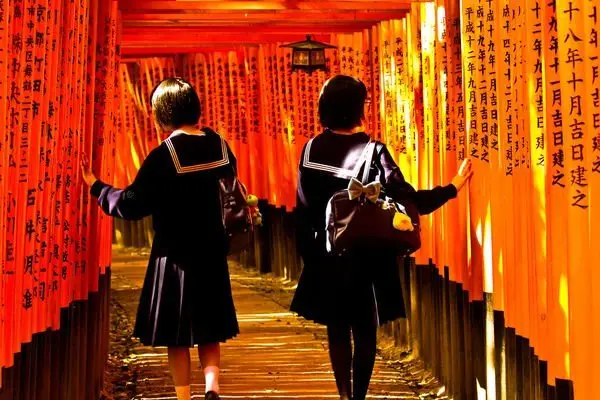
Western teenagers have much more freedom regarding their social life. Japanese youth, on the other hand, cannot do anything wrong, as it harms their social life and even their job prospects.
It is obvious that there are rebellious young people who manage to do wrong without being harmed. Absurd things happen in the school life of Japanese teenagers, such as ijime.
Some Japanese youth have immense freedom and do what they want, only being home at night.
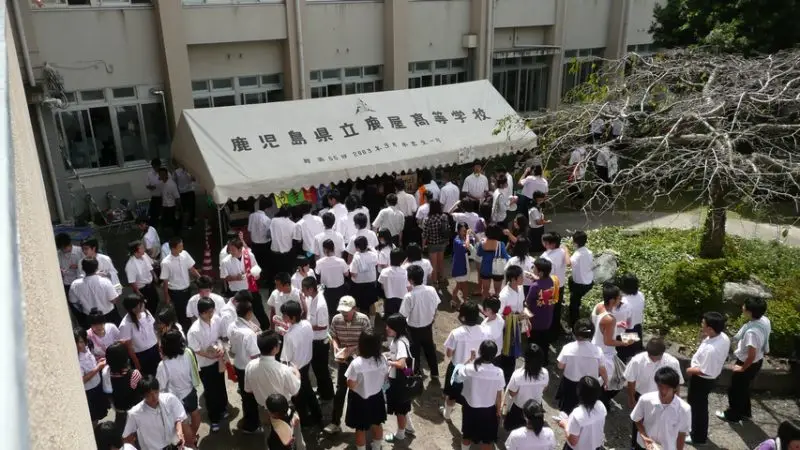
Japanese teenagers tend to be more childish than Westerners. They enjoy cute things, anime, play games, and have reactions that are not very common among Western teenagers.
Since April 2022, Japan's civil age of adulthood is 18. Alcohol, tobacco, and public gambling still wait until 20.
Some Japanese youth feel very uncomfortable talking to adults. They stay quiet, listening, and rarely speak. Probably to avoid doing something wrong, but among young people, they open up.
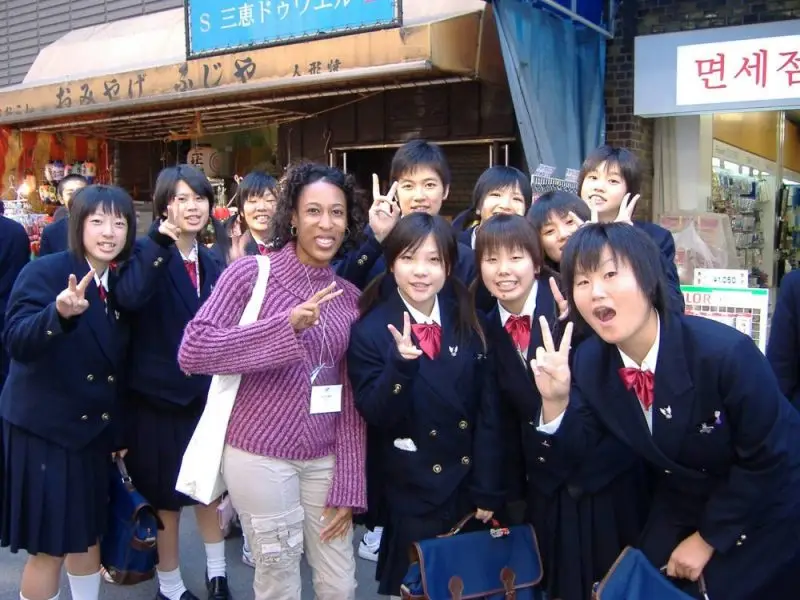
Juku, bukatsu, and the hours after class
In high school, Japanese students tend to dedicate themselves strongly to their studies to enter university and the job market. During this time, things are taken very seriously, and their routine becomes completely focused on studying.
The comparison with Western youth often skips where those hours go. After the last lesson, many students still have bukatsu (部活): school clubs that can meet every weekday and even during parts of vacation — baseball, kendo, brass band, tea ceremony. Seniors aiming at a hard university entrance exam may drop the club to study; until then, the club is friendship, hierarchy, and tired legs in one package.
Then there is juku (塾), the cram school that sits between dinner and the last train. Not every family pays for it, and the load changes with the next exam. Even so, a Western teenager's “free evening” is often a Japanese teenager's second shift. That pressure is one of the well-known strains of Japanese schooling — it is also why “they just study more” is too thin as an explanation.
Japanese youth tend to study a lot, but in their free time, they go out in groups to shop or go to karaoke. They usually enter into relationships later than the Western high-school movie suggests. Dating is not banned; it is often treated as a distraction until exams calm down.
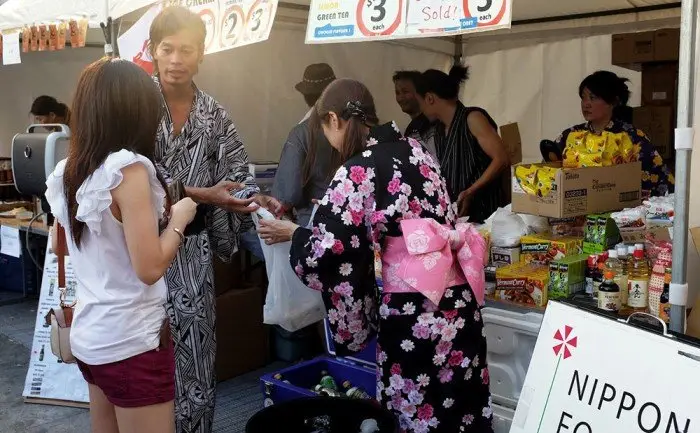
Apparently, Western teenagers seem to consider themselves superior to others, with a certain authority, thinking they can do whatever they want. Both young and adult Japanese tend to lower themselves before others as a sign of respect and humility.
The current modern Japanese culture is to be individual and express oneself. This contradicts traditional Japanese culture, which greatly discourages individuality. This is one of the reasons why we should not try to imagine that Japanese youth follow a standard.
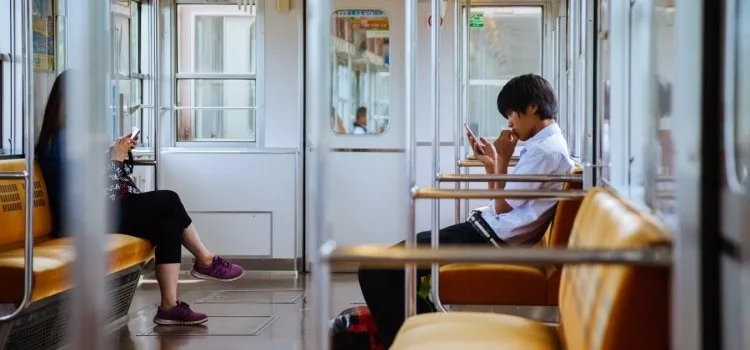
Even though many Japanese teenagers isolate themselves on the internet and social media, Westerners are not exactly off the phone either. In Japan the group chat usually lives on LINE, the way many Western teens live on WhatsApp or Instagram — different logo, same gravity of the thread.
Japan has a noisy overseas reputation around sex in media, and that is a poor map of how most teenagers actually date. Conversations with friends and early romantic life often stay more reserved in public than a Western campus would expect. Anime and manga can stretch a first kiss across seasons; that is a storytelling habit, not a census of real couples.
Final considerations about Japanese and Western youth
Teenagers tend to have different subcultures. Some of that energy shows up as gyaru or as the old delinquent lanes of yankii, bōsōzoku, and sukeban — scenes that look louder than the classroom next door. The existence of those tribes is part of the point: Japanese youth is not a single uniform.

Of course, there are many other factors in Japanese culture that differentiate Japanese people from Westerners. Things like education, respect, humility, and positive characteristics are well displayed in Japanese society, whether some like it or not.
I personally prefer to live in a society full of rules, morals, and enforced education than to live in a country that preaches a false freedom of expression that is responsible for much misfortune and allows evil to run rampant.
Japan offers many more options for healthy fun for Japanese teenagers. Perhaps this is one of the key points for Japanese people not being so interested in wrong things that harm others emotionally or physically.





Community
Comments
0 comments
There are no published comments in this language yet.
Send comment