
Japan has a reputation for safety, and Tokyo keeps appearing near the top of city safety rankings. Danger does not disappear because of that: it comes from geology, from traffic and from the nightlife.
The places below are not forbidden zones, only spots that ask for attention. Some are tourist attractions, others never will be.
Contents 6
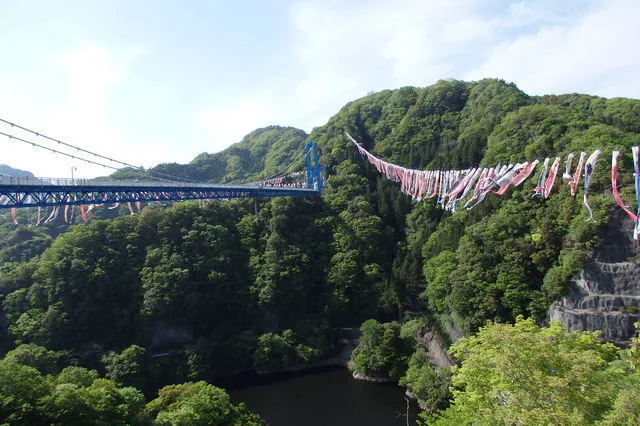
The Eshima Ohashi bridge
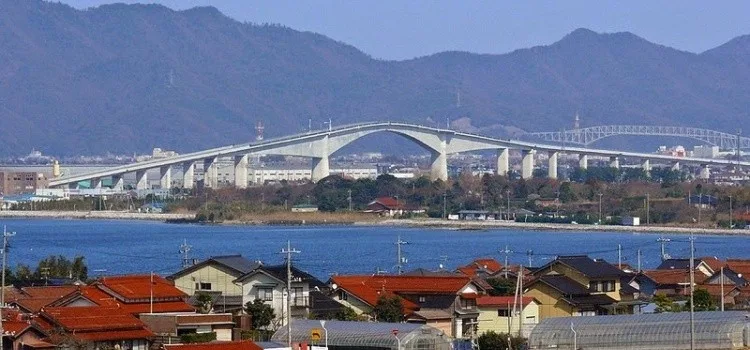
Between Sakaiminato in Tottori and Matsue in Shimane stands a bridge that photographs like a roller coaster. From the Shimane side it climbs at 6.1 percent, from Tottori at 5.1 percent.
It is 1,446 metres long, rises to 44.7 metres and has a speed limit of 40 km/h. The gradient exists for the ships passing underneath, not for thrills.
The steep look comes mostly from long lenses. Drivers find an ordinary road that still demands respect in snow and strong wind.
The volcano Miyake-jima
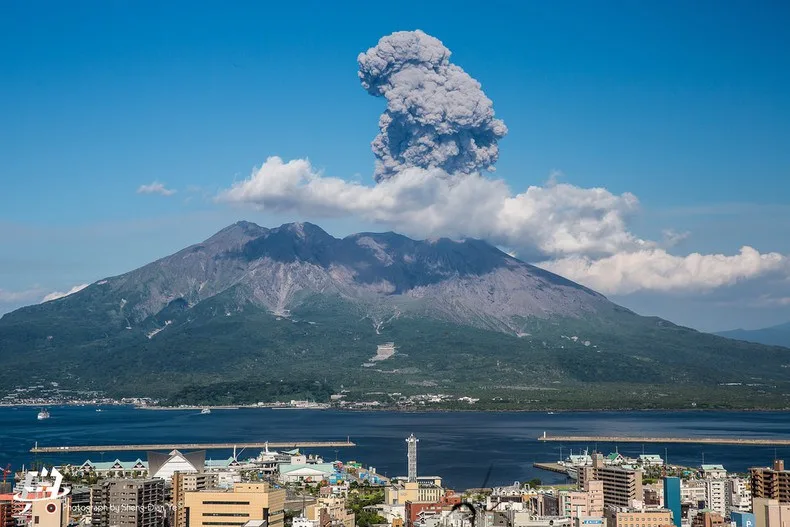
Miyake-jima belongs to the Izu islands and therefore to Tokyo. Mount Oyama is the highest point, and the ground there moves regularly.
In 1983 a lava flow destroyed about seventy percent of the village of Ako. A new eruption in 2000 reshaped the summit and forced the whole population to evacuate.
Residents were allowed back in 2005, and the village still hands out gas masks because sulphur dioxide seeps from the ground. At higher alert levels the summit is closed, and visitors should follow the local notices.
Tokyo between ranking and risk
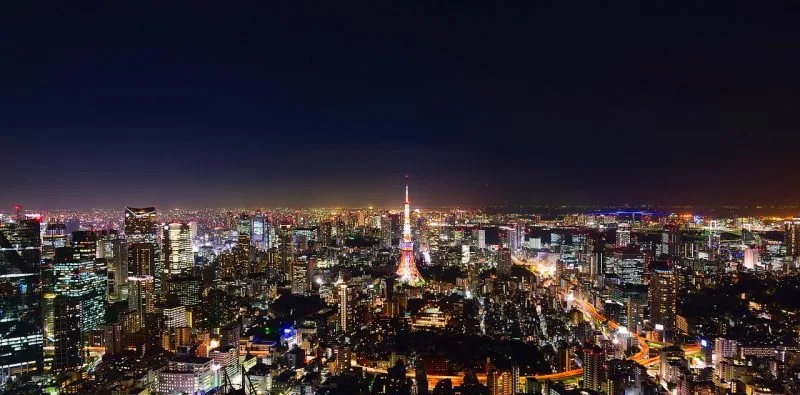
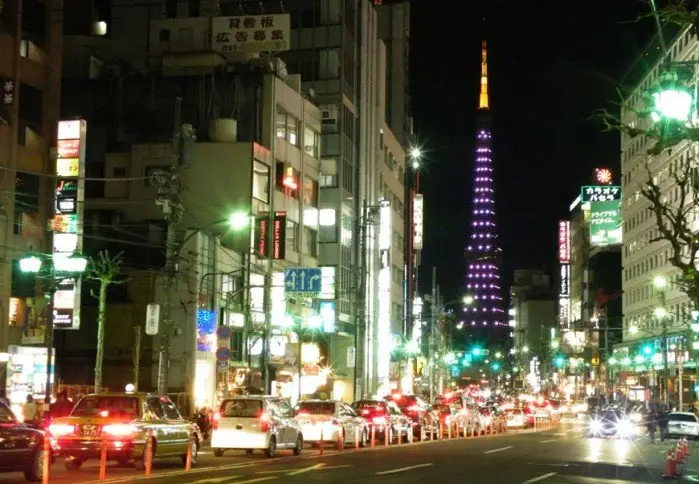
Tokyo keeps leading city safety studies, including the Safe Cities Index. Everyday crime is low, and for most visitors walking alone is unproblematic.
That does not cover nature. Earthquakes, typhoons and summer heat are part of daily life, and the city runs warning systems that sound on phones.
Anyone staying several days should know where the hotel exit is and what the alert levels mean. That is practical preparation rather than alarmism, and it belongs to living there.
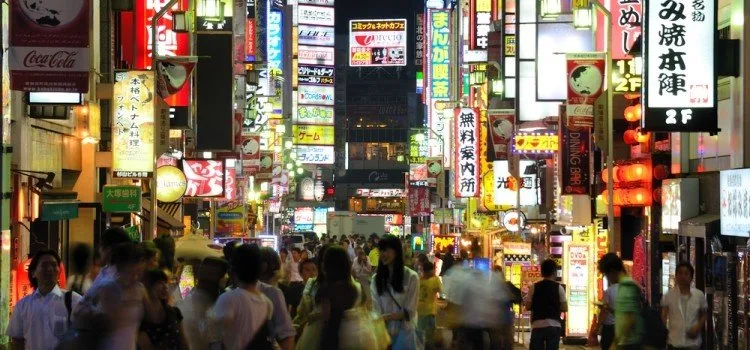
Kabukicho in Shinjuku
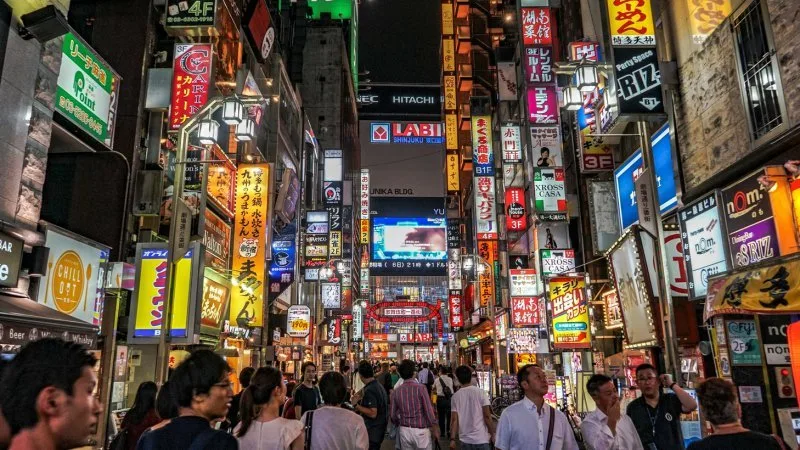
Kabukicho is Shinjuku's entertainment district, full of bars, restaurants and clubs. Most guests spend an ordinary evening there, and the area is busy and well lit.
Trouble starts at the edges. Touts approach visitors and lead them into places where the bill suddenly grows. The practice is called bottakuri in Japanese and often targets tourists.
Police patrol regularly and the area is safer than its reputation suggests. Still: only follow a tout if you chose the place yourself, and never hand over a card to a stranger.
The Aokigahara forest
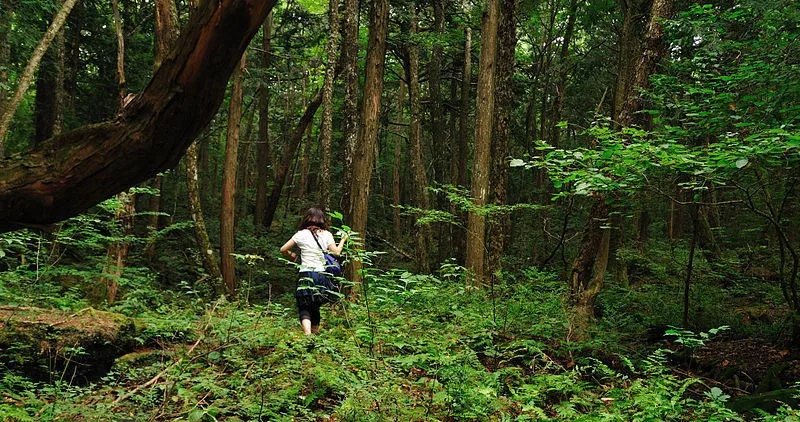
Northwest of Mount Fuji lies Aokigahara, a forest on old lava. It is officially called Jukai, sea of trees, and protected as a natural monument.
Paths are narrow, the ground is uneven, and many visitors underestimate navigation. Compasses and phone signal help only partly there, so trails and markers remain the best guide.
The forest is also known as a place where people take their own lives. Visitors should stay calm, stay on the paths and leave no trace. Anyone who needs help can find counselling services and telephone helplines in Japan.
What follows from this
None of these places is a place to avoid. They are spots where rules and notices matter more than elsewhere, because geology, traffic or tourism there do not forgive mistakes.
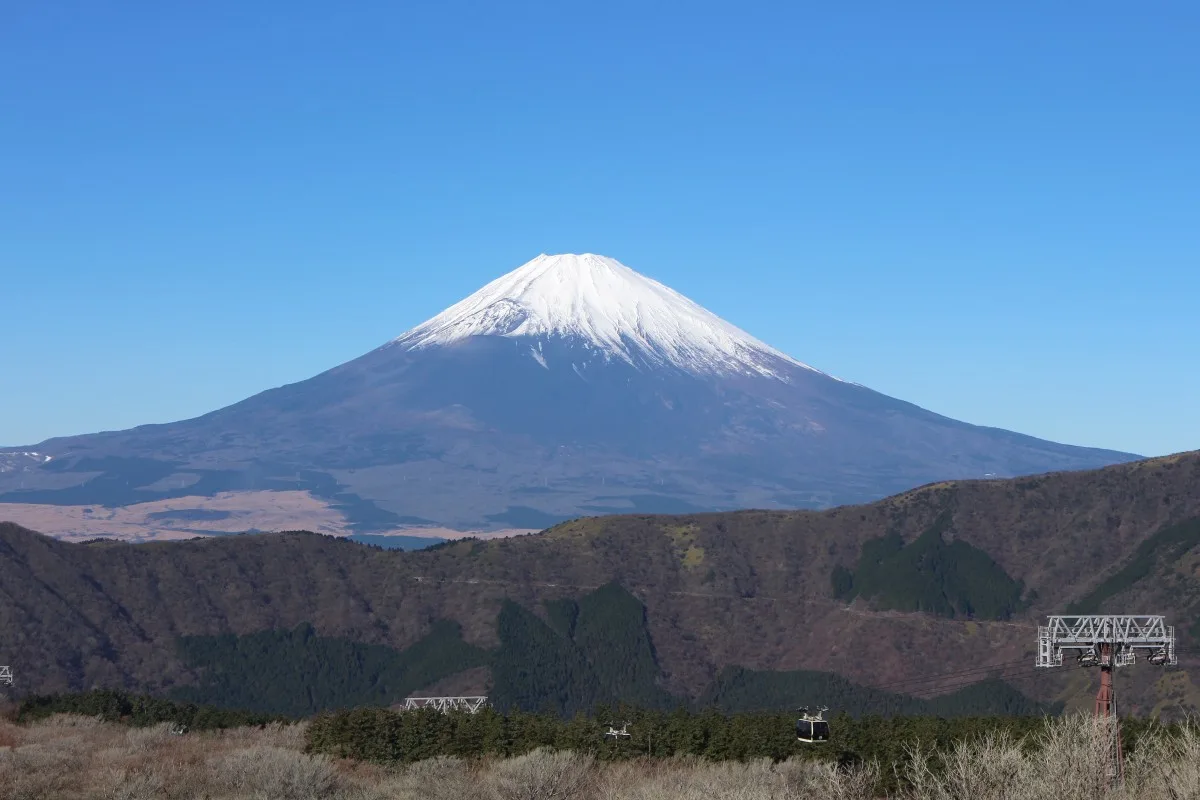
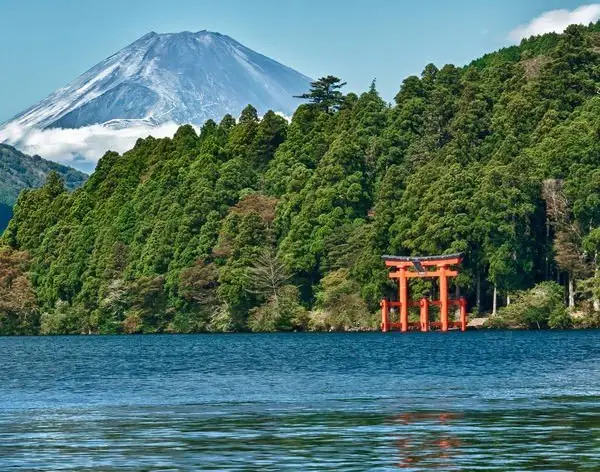
Anyone who wants to read more about the region will find the area around Fuji in the piece on Hakone, and another side of Shinjuku in the text on Kabukicho.


Community
Comments
0 comments
There are no published comments in this language yet.
Send comment