
You do not have to leave Japan to stumble into Dutch canals, British stone buildings, Mediterranean courtyards, or an American-style waterfront. The country has a surprising number of foreign-themed parks, resort areas, and neighborhoods that borrow architecture, food, and atmosphere from abroad.
The interesting part is that these places are not all trying to do the same thing. Some are full-scale theme parks, some are quiet resort complexes, and others are everyday districts where the scenery feels briefly disconnected from the rest of Japan. If you go in knowing that difference, the trip is much more rewarding.
Below are some of the best foreign-inspired places in Japan, from big-name attractions to smaller spots that feel like an unexpected detour.
Contents 11
Little World Museum of Man in Aichi
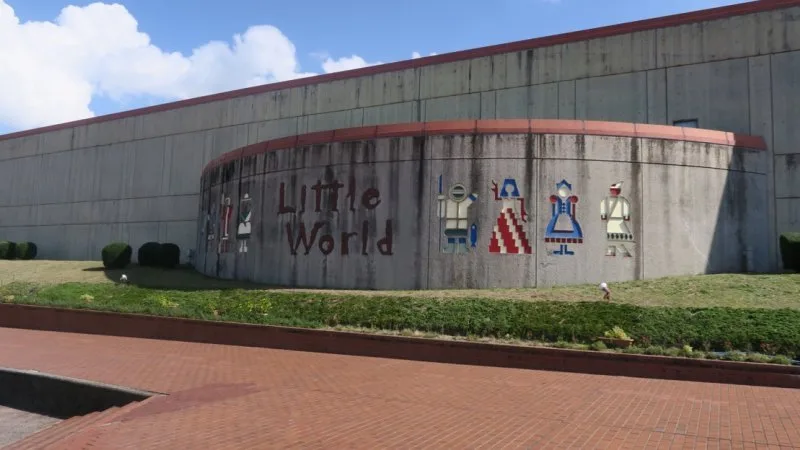
If you want the broadest experience in a single stop, Little World is the easiest place to start. This open-air museum near Inuyama brings together houses, streetscapes, and cultural exhibits inspired by regions around the world, so the visit feels more like a slow walk through many countries than a conventional amusement park.
What makes Little World fun is that it mixes architecture with food, clothing, and short hands-on experiences. You are not only looking at facades from a distance. You move from one area to another and immediately notice how the atmosphere changes. If this kind of attraction appeals to you, our guide to Little World goes into more detail.
British Hills and Dreamton for an English countryside mood
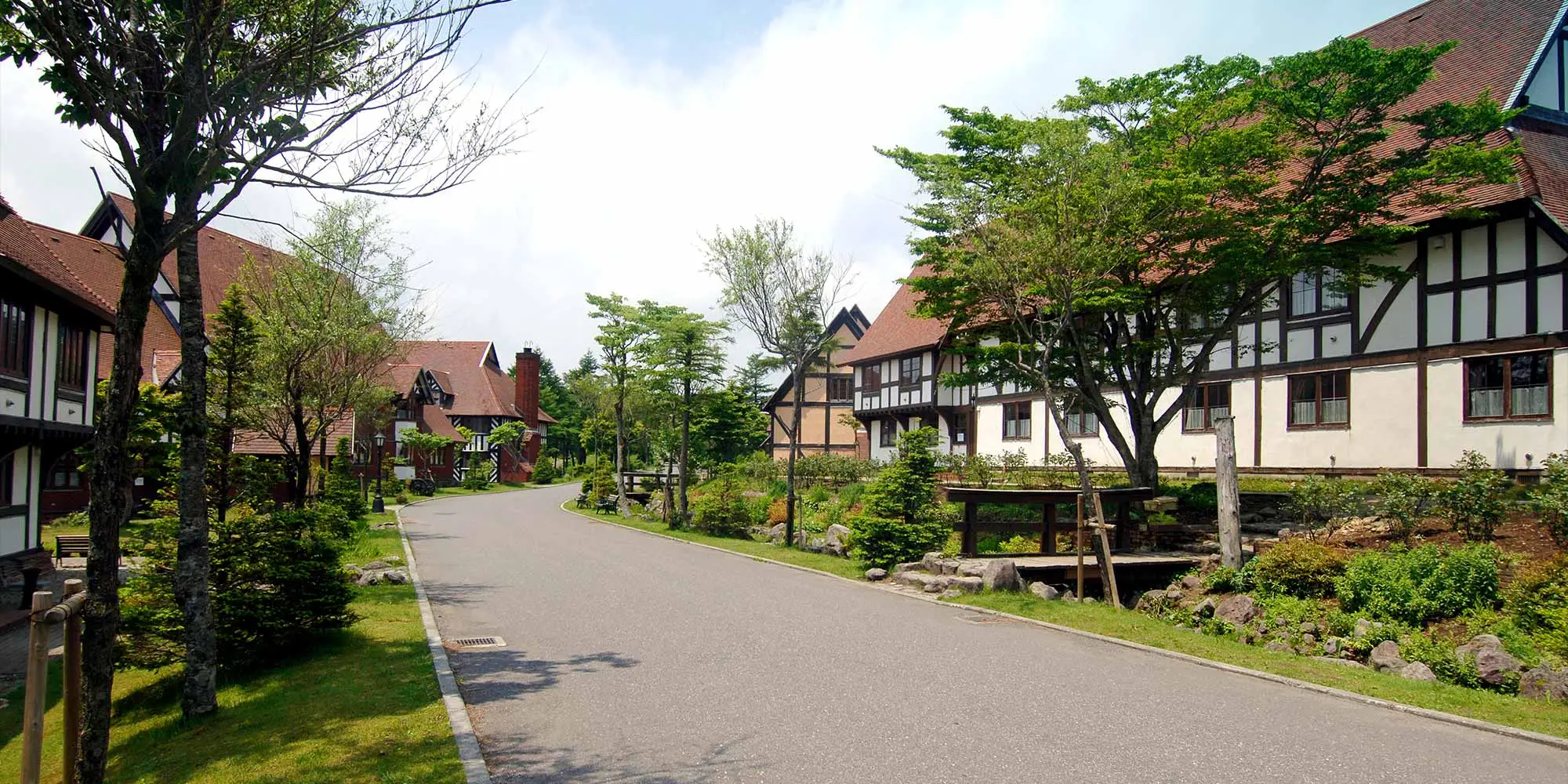
British Hills in Fukushima is one of the most convincing examples on this list. It was built as a British-style complex in the mountains of Tenei, and the stone buildings, courtyards, dining rooms, and language-program atmosphere make it feel closer to an academic retreat or manor stay than a quick photo spot.
Dreamton in Kyoto offers a smaller and more intimate version of that idea. Instead of a large resort-like property, it leans into cottages, tearooms, and a village look inspired by rural England. If you prefer a quieter setting over a huge park, it is an appealing contrast to British Hills.
Niji-no-Sato in Izu
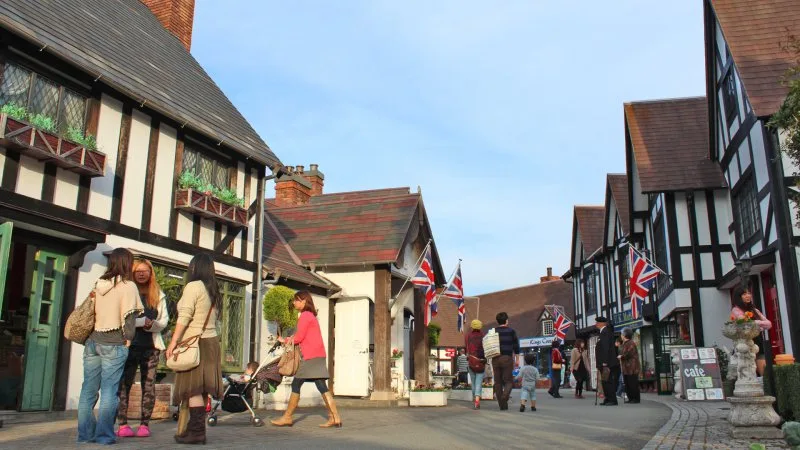
Niji-no-Sato in Shuzenji works well for travelers who want foreign scenery without giving up a garden-and-railway day out. The park includes British and Canadian village areas, but it also mixes them with Japanese gardens and seasonal landscapes. Because of that combination, it does not feel like a pure replica of one country. It feels more like a scenic park that changes tone as you move through it.
That balance is exactly why many people enjoy it. You can move from a British-style streetscape to flower gardens and then back into more recognizably Japanese scenery without the place feeling forced.
If you enjoy this kind of softer landscape design, our article on the best Japanese gardens is a good follow-up.
Mihama American Village in Okinawa
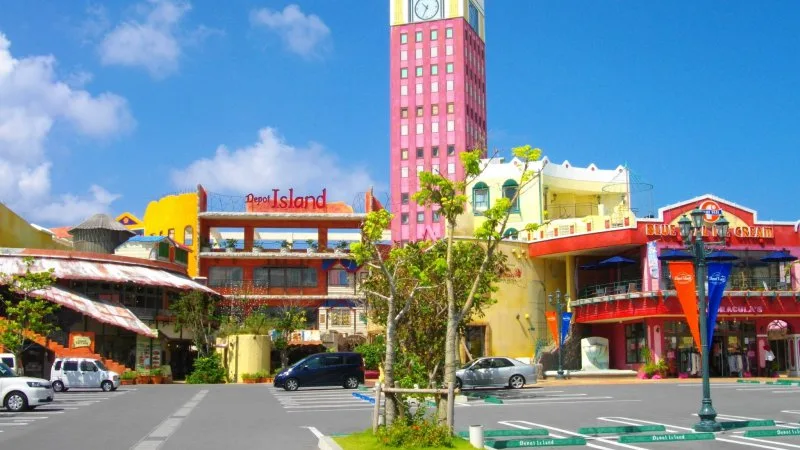
Mihama American Village in Chatan is different from the European-style parks on this list because it feels less like a museum and more like a lively commercial district. The palm-lined streets, signage, entertainment venues, and shopping areas channel a West Coast mood, but the Okinawan seaside setting gives it a personality of its own.
It is a good stop if you enjoy strolling, eating, and people-watching more than checking attractions off a list. The area works especially well around sunset, when the waterfront and neon signage start doing some of the heavy lifting.
That mix of outside influence and local flavor also fits the broader story of Okinawa as a multicultural archipelago.
Mediterranean escapes in Kochi and Mie
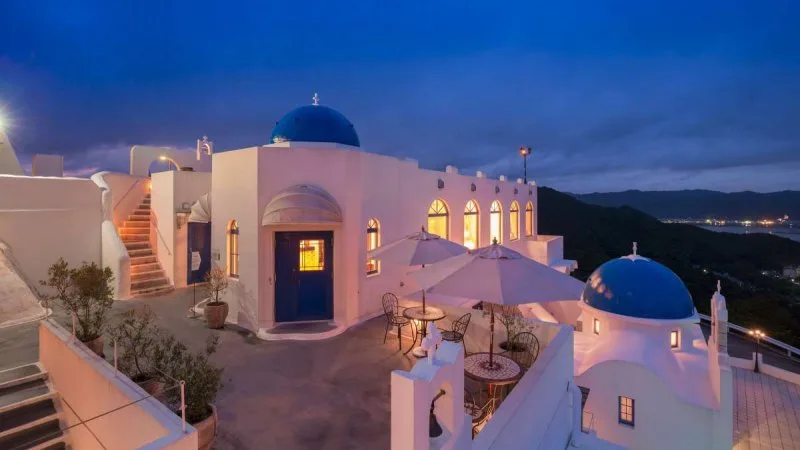
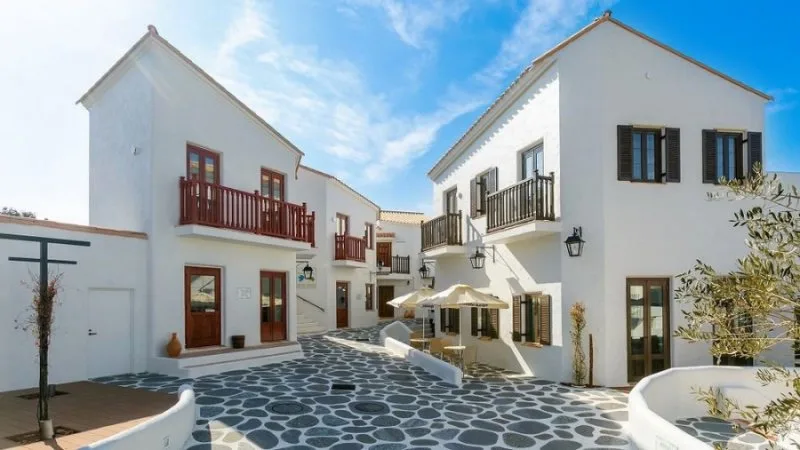
Villa Santorini in Kochi and Shima Mediterranean Village in Mie are better thought of as scenic resort escapes than theme parks. They work because the whitewashed walls, sea views, and slower pace give you the feeling of a Mediterranean break rather than a checklist of attractions.
Villa Santorini is the more romantic option, especially if you are looking for a stay with a strong visual identity. Shima Mediterranean Village is broader in scope, with streets and plazas inspired by Spain and other Mediterranean settings, so it feels more like a small resort town where you can wander before settling in for the night.
Sweden Hills in Hokkaido
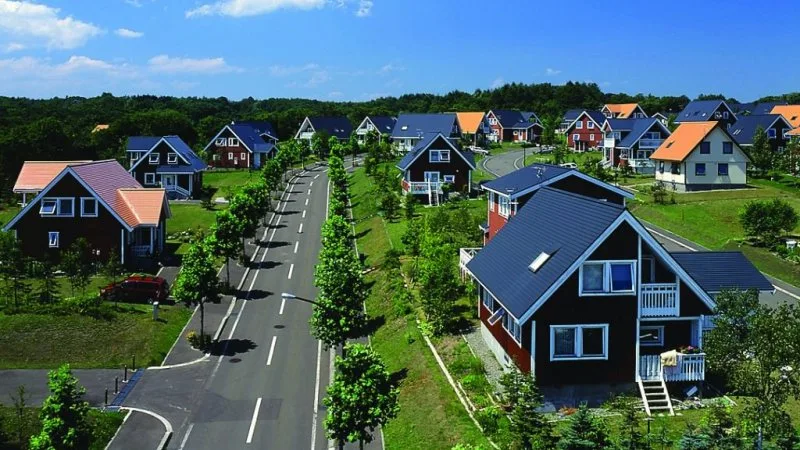
Sweden Hills in Tobetsu is worth mentioning because it is not a theme park at all. It is a residential area whose red wooden houses, street layout, and Scandinavian mood make it look unexpectedly Swedish, especially when the weather turns cool and the light gets softer.
That difference matters. You do not go there expecting rides or staged attractions. You go because the neighborhood itself feels unusual in Japan, and that quiet everyday atmosphere is the appeal.
Germany-inspired spots in Chiba and Shiga
Tokyo German Village in Chiba is a family-friendly park with gardens, seasonal flowers, open lawns, rides, and German-themed touches. Despite the name, it is not in Tokyo, and it feels more like a broad leisure park with a European flavor than a strict architectural recreation.
Blumen Hugel in Shiga takes a softer approach. It leans into a countryside image, imported food, and a slower farm-style atmosphere. If you are chasing dramatic scenery, Tokyo German Village usually leaves the stronger visual impression. If you prefer a calmer stop built around food and landscape, Blumen Hugel has its own charm.
Huis Ten Bosch in Nagasaki
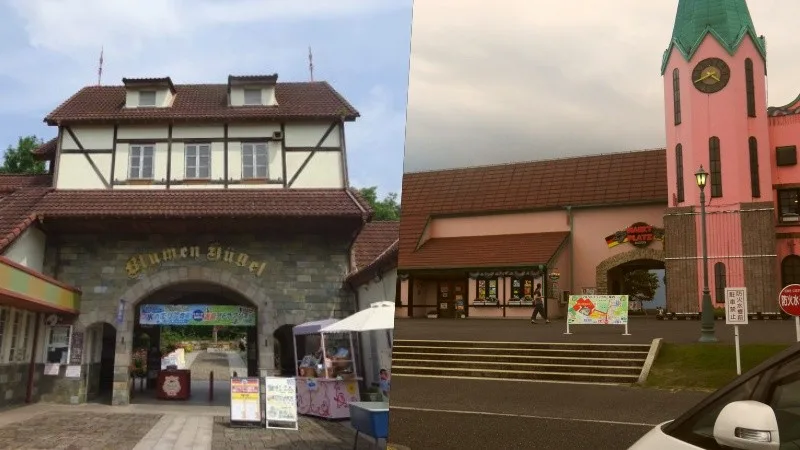
Huis Ten Bosch is the biggest statement on this list. The Dutch-themed park in Sasebo goes far beyond a decorative main street. It has canals, windmills, large European-style buildings, museums, shops, hotels, and seasonal flower displays that make the whole place feel like an alternate town rather than a themed corner.
It also makes sense in Nagasaki, where the historical connection between Japan and the Netherlands gives the concept more weight than a random imported aesthetic. If you only have time for one large-scale foreign-themed destination in Japan, this is usually the easiest one to recommend.
Lockheart Castle in Gunma
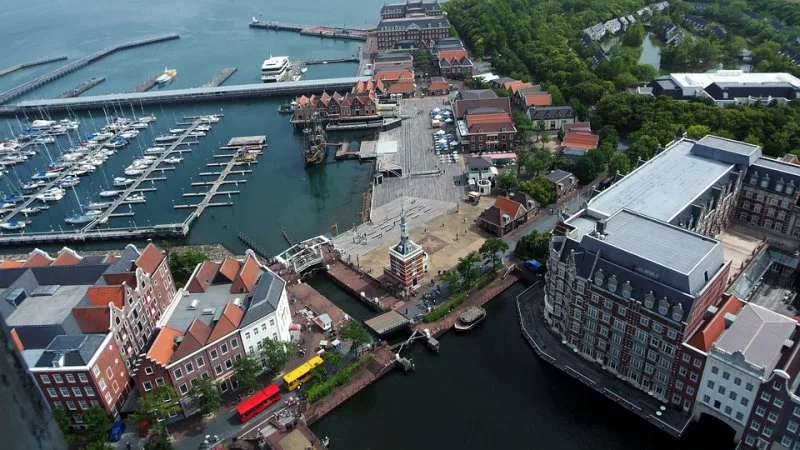
Lockheart Castle stands out because it is tied to a real European building rather than a loose visual imitation. The site in Gunma centers on a reconstructed Scottish castle and a surrounding grounds area that has long been used for photo shoots, television productions, and weddings.
Even people who would normally skip a themed attraction often enjoy it because the place has a slightly theatrical mood. It is not pretending to be a whole country. It is offering one dramatic setting and doing that well.
Andersen Park in Chiba
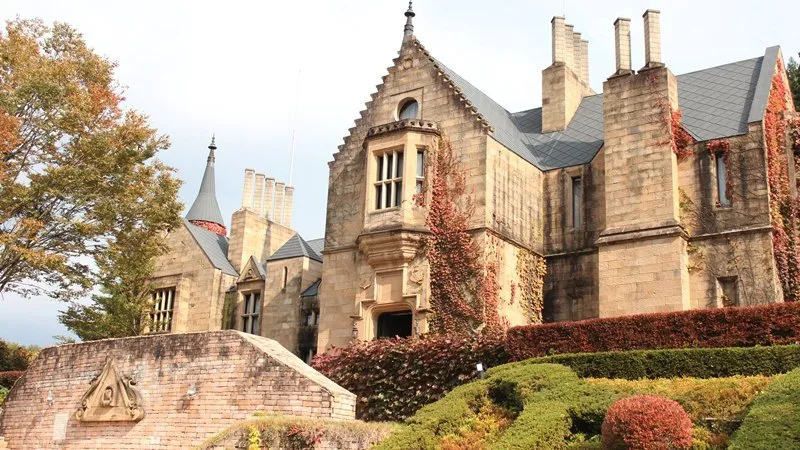
Funabashi Andersen Park closes this list on a lighter note. Inspired by Denmark and named after Hans Christian Andersen, it mixes windmills, gardens, family activities, museums, and open space in a way that feels easygoing rather than overproduced.
It is one of the better options for families or anyone who wants a half-day outing with pretty scenery instead of a full destination resort. The Danish references are clear, but the park still feels comfortable and relaxed in a very Japanese way.
Which one is worth your time?
If you want the most variety, start with Little World. If you want scale, go to Huis Ten Bosch. If you prefer a resort atmosphere, look at Shima Mediterranean Village or Villa Santorini. For a casual stroll with food and shops, Mihama American Village is the easiest pick.
The nice thing about these places is that they do not stand in for travel abroad. They offer a strange and enjoyable shortcut: a chance to see how Japan reinterprets other cultures through architecture, gardens, resorts, and entertainment. That alone makes them worth visiting.



Community
Comments
0 comments
There are no published comments in this language yet.
Send comment