
Sadako Yamamura is a name that resonates deeply in global pop culture, known primarily for her frightening appearance in the classic Japanese film Ringu (1998). With long hair covering her face, a white dress, and unsettling movements, Sadako has become an undeniable symbol of modern horror, influencing not only Japanese cinema but also various international adaptations and other contemporary media.
Contents 5
The Literary and Cinematic Origin of Sadako
Sadako Yamamura first appeared in the novel Ring, published in 1991 by Japanese writer Koji Suzuki. In the original narrative, Sadako is introduced as the daughter of Shizuko Yamamura, a famous medium with psychic abilities, and university professor Heihachiro Ikuma. From an early age, Sadako demonstrates special abilities inherited from her mother, such as nensha, which allows her to project images directly onto physical objects using her mind.
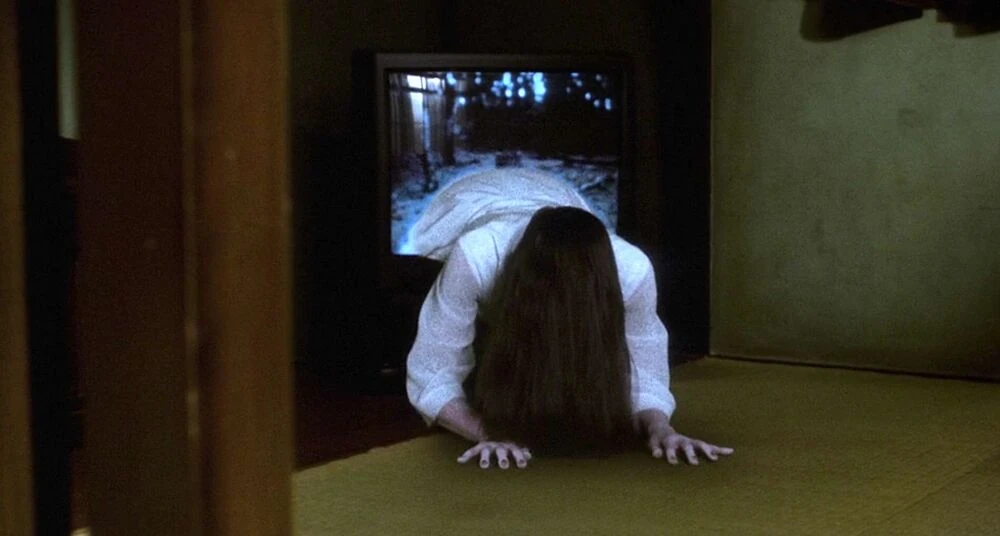
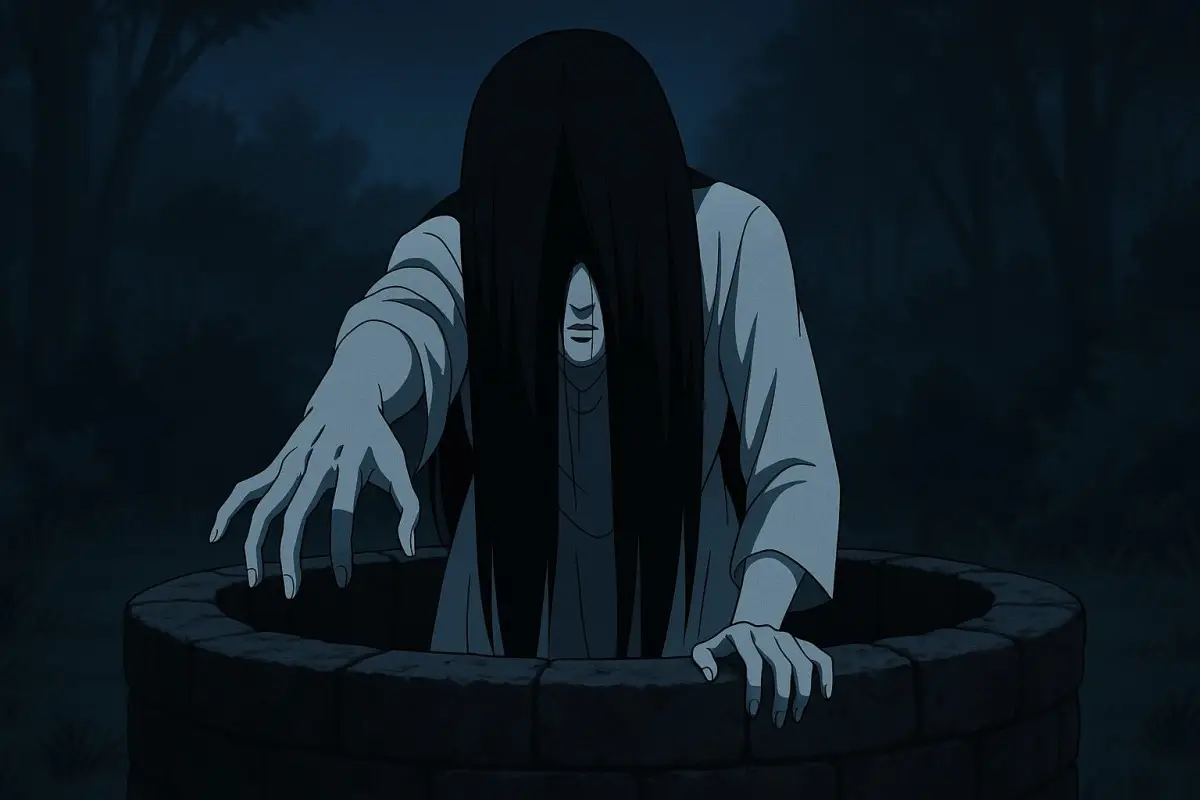
The film adaptation directed by Hideo Nakata in 1998 adapts this story to a context more accessible to contemporary Japanese audiences. The plot focuses on a cursed videotape that leads to the death of its viewers seven days after they watch its disturbing images, unless they can transfer the curse to another person. In the film, Sadako is portrayed as a vengeful entity, slowly emerging from a well and, terrifyingly, coming out of screens to attack her victims.
Supernatural Abilities and the Curse of the Videotape
The horror surrounding Sadako comes from her impressive range of supernatural abilities. In addition to nensha, she possesses telekinetic powers, clairvoyance, and, more frighteningly, the ability to manipulate modern technologies to spread her curse. The cursed tape directly reflects her repressed fury, serving as a visual expression of her accumulated hatred and suffering.
The curse operates almost like a supernatural virus: after watching the video, the victim receives a call announcing their death in seven days, creating an endless cycle of terror and paranoia. The only escape is to pass the curse by forcing another person to watch the video, a cruel mechanism that addresses deep themes of guilt and morality.
Main Differences Between Book and Film
Although the essence of the character remains consistent, there are striking differences between the literary and cinematic versions. In Koji Suzuki's original work, Sadako is described as intersex, adding an additional complexity to the character and addressing deeper social prejudices. However, the film adaptations chose to omit this detail to focus on the visual aspect of horror.
Another important distinction lies in the narrative focus: while the books explore in detail the psychological and scientific aspects of the curse, even suggesting a virus capable of altering the victims' DNA, the film concentrates on the visual and emotional impact of Sadako's figure, with iconic scenes such as her terrifying emergence from the television.
Cultural Impact and Legacy in J-Horror
Sadako's haunting presence quickly transcended the limits of the original media, influencing the entire genre known as J-Horror. Her image and characteristics gave rise to similar characters, such as Kayako Saeki from Ju-On (2002), creating a recognizable visual and narrative pattern within Japanese horror.
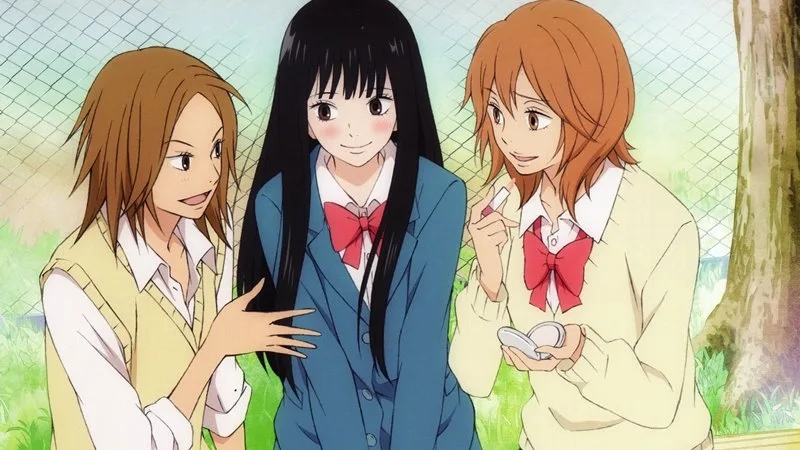
Sadako's influence can also be seen in anime, video games, and advertising campaigns, showcasing her ability to evoke fear and fascination in a lasting way. A major successful work to highlight is Kimi ni Todoke, where the protagonist is often compared to Sadako.
Sadako in Pop Culture and Her International Adaptations
Sadako was not restricted to Japan and soon conquered the world through Western adaptations, especially with the American version The Ring (2002), directed by Gore Verbinski. The character, renamed Samara Morgan, retains the essence of the curse but brings a new story that emphasizes parental abuse and isolation.
Additionally, Sadako has appeared in crossovers of popular video games, such as Dead by Daylight, where she is referred to as "The Onryō." Her versatility and the universal terror she embodies are clear evidence of her enduring power in different cultural contexts.
For over two decades, Sadako Yamamura continues to be one of the greatest symbols of contemporary horror, reflecting deep fears of modern society and ensuring her permanent presence in the global collective imagination.



Community
Comments
0 comments
There are no published comments in this language yet.
Send comment