
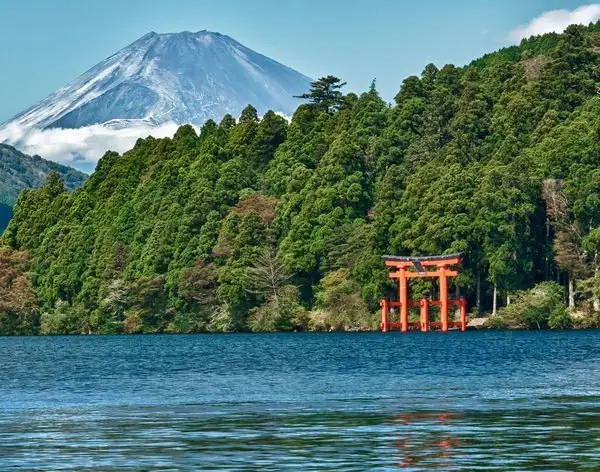
Japan brings together historic neighborhoods, modern cities, mountains, islands, regional food, and a rail network that makes many parts of the country accessible without renting a car. That variety is the strongest reason to visit: one trip can include a quiet garden, a busy market, a mountain view, and an excellent meal without feeling like you have visited the same kind of place every day.
This guide gathers ten reasons why Japan is worth visiting and adds practical ideas for a first trip. No single itinerary represents the whole country. Tokyo feels different from Kyoto, Hokkaido feels different from Okinawa, and a summer festival offers a different experience from a winter day in an onsen town.
Contents 5
10 reasons to visit Japan
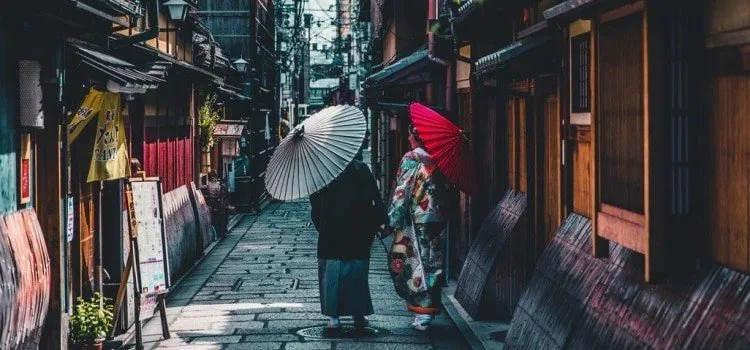
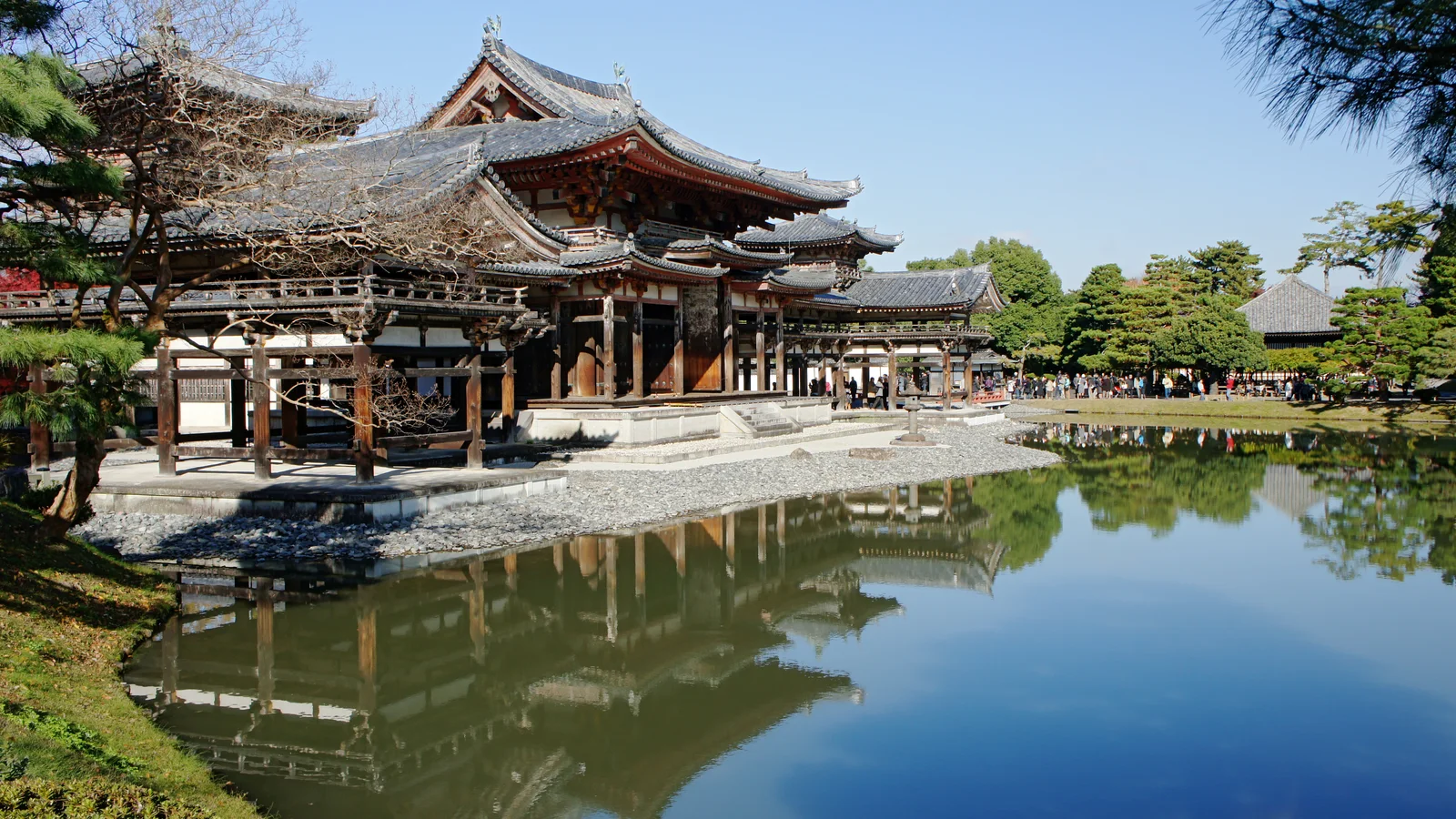
- Tradition is visible in everyday life. Shrines, temples, gardens, crafts, and festivals are not limited to museums. Depending on the region, you can visit a historic district, try a local dish, and end the day on a modern shopping street.
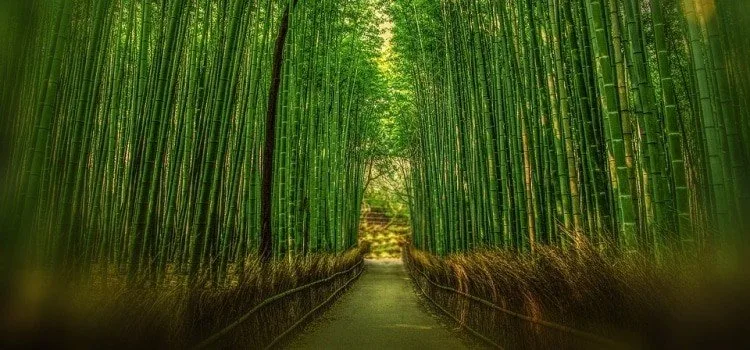
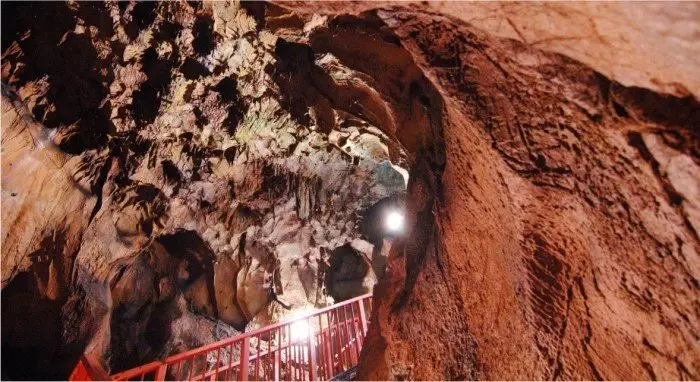
- Cities and nature can fit in one trip. Alongside dense urban centers, Japan offers coasts, forests, mountains, lakes, and islands. A city break can be combined with a hike, a national park, or time by the sea.
- Japanese food goes far beyond sushi. Ramen, tempura, yakitori, okonomiyaki, bento, and regional sweets show how varied the cuisine can be. Many dishes are closely connected to a city, prefecture, season, or local ingredient.
- Every region has its own character. Tokyo, Kyoto, Osaka, Hiroshima, Hokkaido, and Okinawa are often grouped together as Japan, but they offer different landscapes, foods, accents, and travel experiences. A second visit can therefore feel completely new.
- Trains make many routes easier to organize. Shinkansen, limited express trains, and local services connect important destinations. For a first trip, a route with a few bases is often more comfortable than changing hotels every night. Check schedules, reservations, and regional passes for your specific journey.
- The seasons change the atmosphere. Cherry blossoms, green summer landscapes, autumn colors, and snowy regions each create a different Japan. Popular seasons can also bring higher demand, so weather, holidays, availability, and prices belong in the planning process.
- Accommodation suits different travel styles. Japan offers hotels, ryokan, guesthouses, vacation rentals, and capsule hotels. A ryokan may add tatami rooms, local meals, or an onsen experience, while a city hotel can be convenient for short journeys and late arrivals.
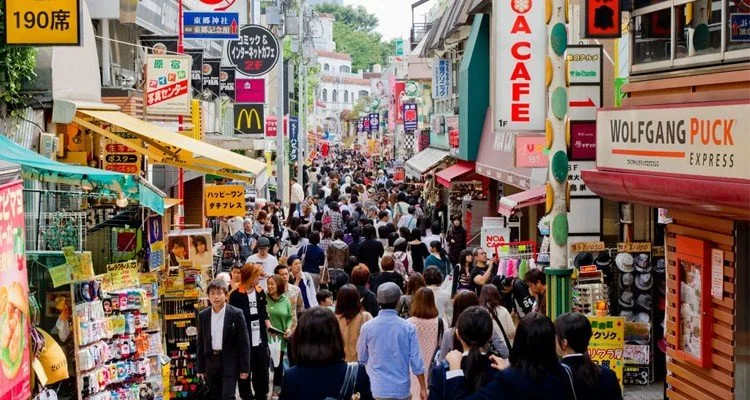
- Pop culture is only one part of the entertainment. Manga, anime, games, music, fashion, and theme parks attract fans from around the world. Japan also offers kabuki, bunraku, museums, architecture, traditional music, and contemporary art.
- Slow travel works well. Not every day needs a long list of attractions. A walk through a garden, a market visit, a local train ride, or a bath in an onsen town can reveal more about a place than another rushed photo stop.
- You can build the trip around your interests. Families, photographers, hikers, food lovers, history fans, and pop-culture enthusiasts can choose different priorities. The goal is not to see everything, but to choose a route that fits your time, budget, and energy.
What makes Japan different from many destinations?
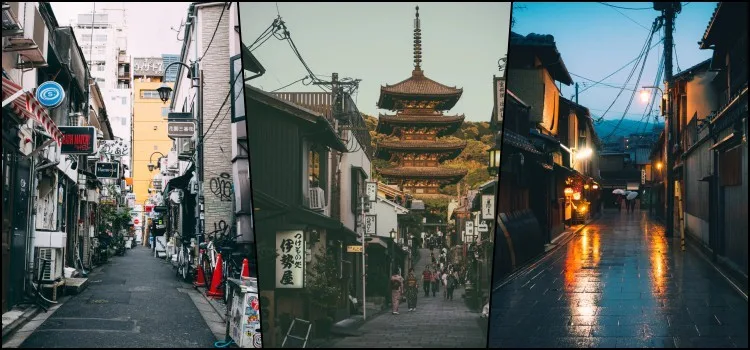
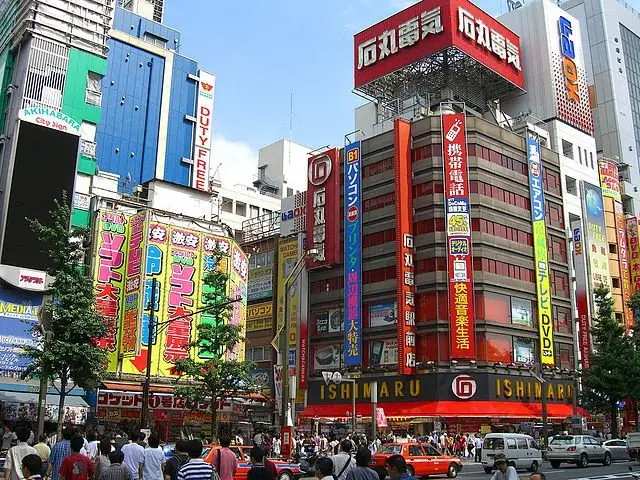
The contrast between modern infrastructure and historic practices is one reason Japan stays memorable. In Tokyo, you can move through high-rise districts, busy stations, and digital retail spaces before reaching a quiet shrine or garden. In Kyoto, centuries-old buildings stand alongside a daily life shaped by students, offices, restaurants, and neighborhood shops.
Food shows the same combination. A station may sell regional bento boxes, a small restaurant may specialize in one noodle dish, and a department store may offer sweets from several prefectures. Japan is often most interesting when you follow these small choices instead of trying to match the country to one fixed image.

Which places fit different kinds of trips?
Tokyo suits travelers who want a major city, shopping, museums, viewpoints, and pop culture. Kyoto is a natural choice for temples, gardens, historic neighborhoods, and nearby day trips. Osaka is popular for its food scene, lively districts, and location in the Kansai region. Hiroshima combines important history with Miyajima and distinctive local food.
Travelers looking for more nature can consider Hokkaido, the Japanese Alps, the Setouchi islands, or Okinawa. The island network is large, and not every destination belongs in a short standard itinerary. A later trip can focus on places such as Okinawa, hiking, or smaller islands. Special destinations such as the cat island or Okunoshima are individual excursions, not a picture of Japan as a whole.
Tips for your first trip to Japan
- Choose a manageable region. Tokyo and its surroundings, or Kyoto, Osaka, and Hiroshima, already offer plenty for a first visit.
- Limit hotel changes. Two or three bases make the trip calmer and leave room for unexpected discoveries.
- Check the season. Temperature, rain, snow, holidays, and popular bloom periods affect the atmosphere, availability, and cost.
- Reserve special experiences. Popular viewpoints, restaurants, trains, and accommodations may sell out on busy dates.
- Use official information. Check entry requirements, transport, local rules, and current opening hours shortly before departure.
- Plan breaks. Large stations, long walks, and constant new impressions can make a day more tiring than the map suggests.
Japan is not a destination that needs one fixed type of package. Costs depend on the season, accommodation, distance, restaurant choices, and activities. Avoid comparing an old daily budget with your current trip. Set the route and travel dates first, then check current prices for flights, rooms, transport, and admission.

Why is Japan worth visiting?
Japan is especially rewarding for travelers who want more than a checklist of landmarks. Culture, nature, food, rail travel, modern cities, and quiet places exist close together while remaining regionally distinct. That mix makes it possible to build a trip for very different interests.
Start with a few locations, check current travel information, and leave room for ordinary discoveries. You do not need to collect 100 reasons before planning. Curiosity about the landscape, people, history, and daily life is enough to begin.



Community
Comments
0 comments
There are no published comments in this language yet.
Send comment