
Moving to Japan is a dream for many, but the choice of where to live can be challenging. Job opportunities, cost of living and quality of life all influence that decision. Although Japan is known for its safety and excellent infrastructure nationwide, the experience of living in a metropolis like Tokyo can be completely different from life in a smaller city.
Another important point is that, in some cases, you don't have much choice over the city you'll live in, especially for those who arrive through contractors or factory programs. Even so, every Japanese city has its advantages, and understanding the pros and cons of each region helps you adapt your routine and make the most of the experience.
Contents 10
Japanese cities and job opportunities
In every corner of Japan there is a constant demand for labor. Even in rural areas, the quality of life is high and access to services, leisure and tourism is efficient. That said, the larger the city, the higher the cost of living, which can eat into your budget quickly.
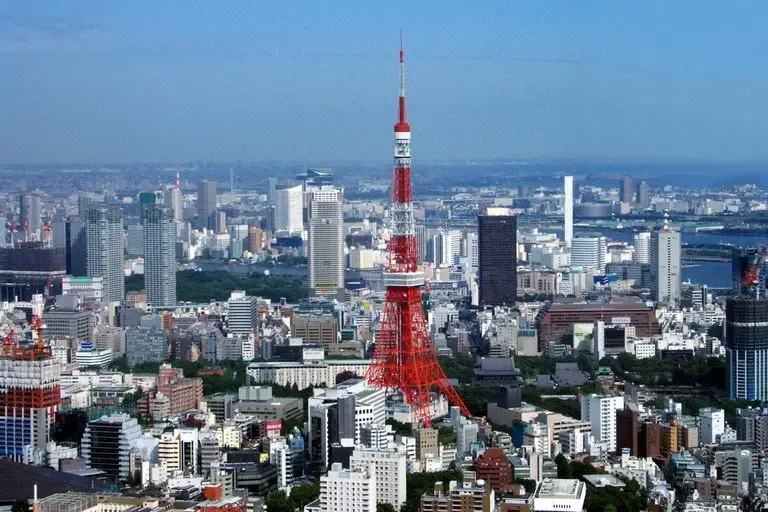
- Tokyo: The capital is a global hub with countless job openings, especially in technology, business and services. The high cost of living, however, is a real challenge.
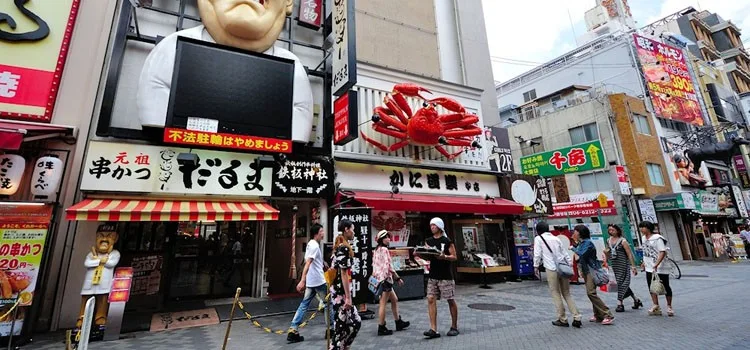
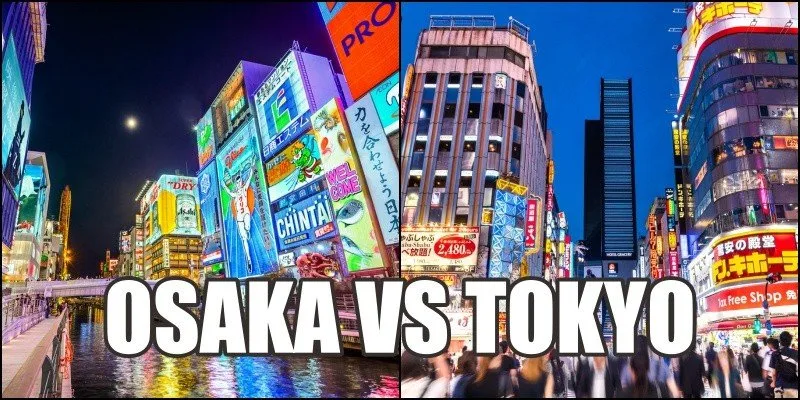
- Osaka: Known for its laid-back vibe and opportunities in trade and industry, Osaka offers a more affordable and culturally rich alternative to Tokyo.
- Smaller cities: Working in a smaller location can be financially smarter. Earning ¥1,000 per hour in a small city, for example, can deliver a better quality of life than ¥1,400 in a metropolis once you factor in cheaper rent and transport.
Cultural adaptation matters as well. Regions with a larger foreign community, such as Aichi or Shizuoka, can make the early months easier, but it's important not to rely solely on that community if you want to truly integrate into Japanese life.
Cities with a large concentration of foreigners in Japan
Japan, despite its traditional image, has been becoming more international thanks to the steady flow of foreign workers and expatriates. Some cities stand out for hosting diverse communities, creating a cultural mix that enriches the experience of living in the country.
Most diverse regions
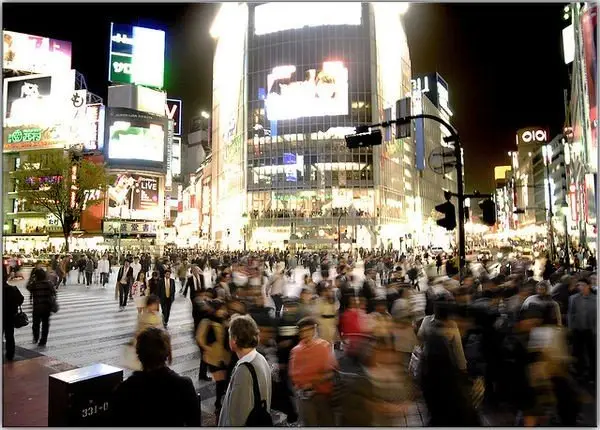
The major Japanese cities with a high concentration of foreigners include Tokyo, Osaka and Nagoya. These metropolises are economic and cultural hubs that attract professionals from a wide range of fields. In Tokyo, neighborhoods such as Roppongi and Shibuya have a strong expatriate presence, while Osaka is known for its hospitality and multicultural nightlife.
Industrial cities with international communities
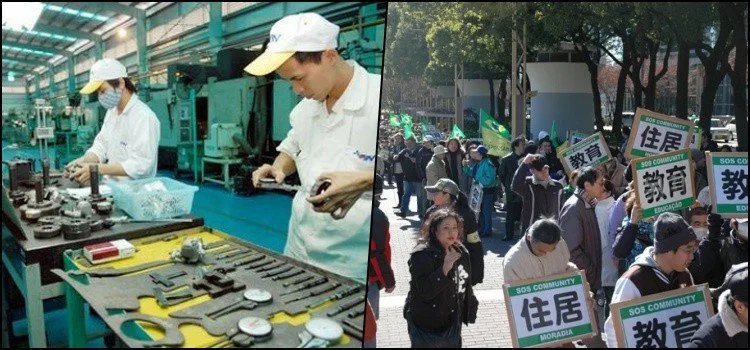
Beyond the big metropolises, cities like Hamamatsu, Shizuoka and Aichi also stand out for their foreign communities, especially factory workers. These regions have developed infrastructure, including international grocery stores, bilingual schools and dedicated support services, which makes settling in much easier.
Benefits and challenges
Living in a city with a large foreign community can smooth the initial adaptation, with easier access to languages you're comfortable with, international food and community support. At the same time, it's important to balance that comfort with genuine immersion in Japanese culture so you can fully enjoy the country. Cities like Tokyo and Osaka offer a great balance between the familiarity of meeting people with similar stories and the chance to dive into the rich local culture.
Where do Brazilians live in Japan?
For those who prefer to be surrounded by other Brazilians, some regions concentrate large communities. This can help with the initial adaptation, but it's important not to stay inside the «comfort zone» and to seek real integration with the local culture.
- Aichi: Around 50,000 Brazilians live in this prefecture, especially in Nagoya.
- Shizuoka: With roughly 30,000 Brazilians, it is well known for its strong presence in factories.
- Mie, Gifu and Gunma: Other areas with a high concentration of Brazilians and plenty of industrial opportunities.
These regions are ideal for those looking for factory work, but they also have solid infrastructure for families, including international schools and stores tailored to the foreign community. Cities like Hamamatsu and Nagoya are particularly popular, with options for leisure, restaurants and cultural events.
The best cities for different lifestyles
What defines the «best city» to live in Japan depends on each person's lifestyle and priorities. Some cities stand out in global rankings, while others offer more authentic experiences tied to traditional Japanese culture.
- Tokyo: Often considered one of the best cities in the world, Tokyo is ideal for those looking for cultural diversity and career opportunities. On the other hand, life can feel more individualistic, and the high costs can limit leisure activities.
- Osaka: Known for its vibrant energy and welcoming culture, Osaka combines urban dynamism with a more relaxed pace. It's an excellent choice if you want a more social life.
- Kyoto: For lovers of history and traditional beauty, Kyoto is unique, with temples, gardens and cultural festivals that reflect the soul of Japan.
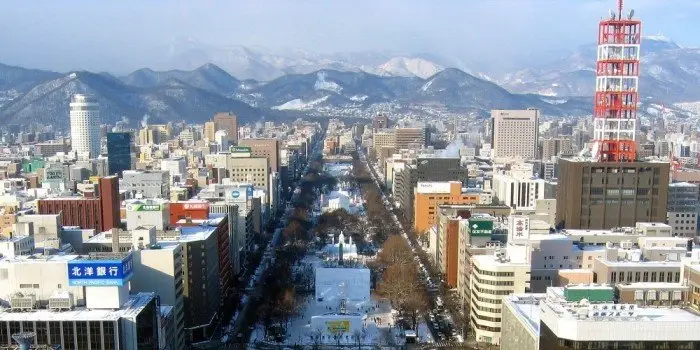
- Hokkaido and Sapporo: In the north of the country, these regions offer tranquility, beautiful landscapes and a cold climate, ideal for those who prefer less crowded places.
- Okinawa: In the far south, Okinawa is known for its paradise beaches and tropical climate, perfect for those who want a slower pace of life.
It is also worth considering the climate and seasonal events:
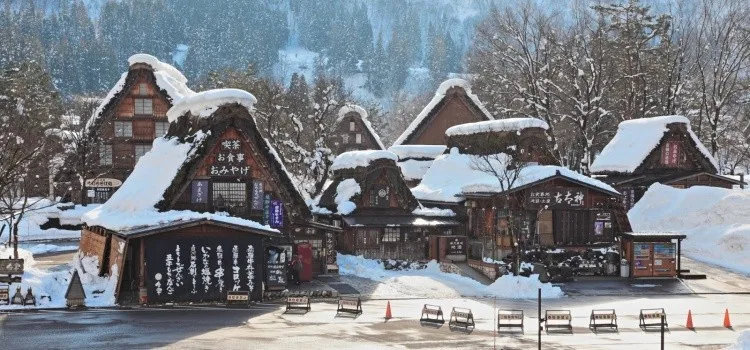
- Regions like Nagano are perfect for winter sports.
- The west side, like Fukui, has some of the best beaches in the country.
- The south, like Okinawa, offers hot summers and tropical landscapes.
What are the best cities in Japan?
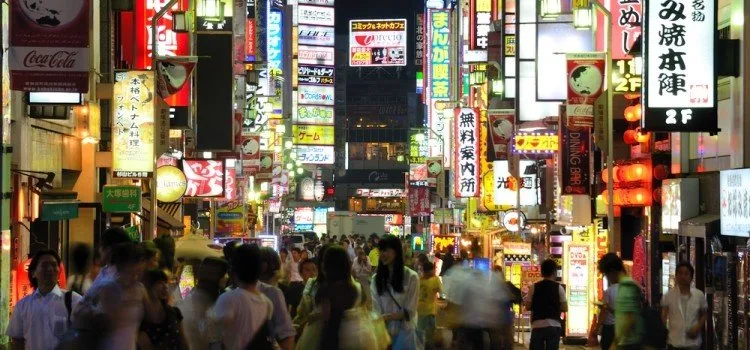
The city of Tokyo has repeatedly taken first place in global rankings of the best cities in the world. If you have the means, or land a good job, Tokyo is a fantastic option. Unfortunately, life in Tokyo can be somewhat individualistic, and people can be reserved and shy. But it's not fair to generalize: Tokyo is a city that encompasses the whole planet, with countless cultures living side by side.
In the second-largest city, Osaka, people tend to be more fun, extroverted and sociable; Osaka is my personal favorite. Its culture is completely different from Tokyo's: here, your boss might invite you for a drink after work.
These larger cities tend to be more western than traditional. You can also opt for cities and regions close to the Shinkansen (bullet train) line. This makes life much easier and lets you explore other regions of Japan on a whim.
- The best beaches in Japan are on the western side, in regions like Ishikawa and Fukui.
- For winter skiing, the upper part of Japan is better, especially Nagano.
- The cold and snow get more intense the further north you go, into Hokkaido.
- The east of Japan tends to be more affected by typhoons in summer.
- In the south of Japan, summers are hot and temperatures often exceed 40 °C.
- Sapporo and cities in Hokkaido tend to be quieter, colder and more rural.
- For making friends with locals, Osaka, Hokkaido and Okinawa are the best options.
- Kyoto is probably the most beautiful and traditional city in Japan.
What is the best city to live in Japan?
There are many opinions about the best city in Japan. Some prefer Hokkaido, Yokohama, Hiroshima, Kobe, Nagano or Chiba. Everyone picks their own favorite region! I personally love Osaka, but for me, all of Japan is a great place to live, as long as you have time to actually enjoy it instead of only working.
The job and a lack of social life can easily make you frustrated with a city in Japan. Each person's circumstances will determine whether a particular city works for them. It's a matter of personal preference and depends entirely on your tastes, your dislikes and the lifestyle you lead.
What is the best city for you?
Choosing the ideal city in Japan is a personal decision that depends on factors such as work, cultural preferences and lifestyle. For some, large cities like Tokyo and Osaka are ideal thanks to the abundance of jobs and leisure options. Others may prefer rural areas or smaller cities for the tranquility and lower cost of living.
Regardless of your choice, Japan offers a high quality of life almost everywhere. Enjoy the experience of exploring the country's many facets, from the modernity of its metropolises to the charm of its traditional cities.



Community
Comments
0 comments
There are no published comments in this language yet.
Send comment