
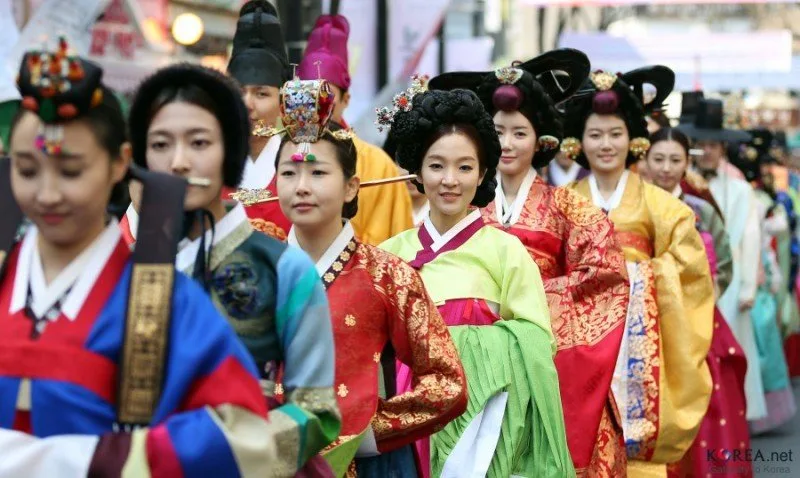
Anyone who spends time researching the history of Korea and Japan quickly runs into invasions, occupations and political tension. At the same time, the two countries also shared centuries of trade and cultural exchange. That is why their relationship is still so complicated today.
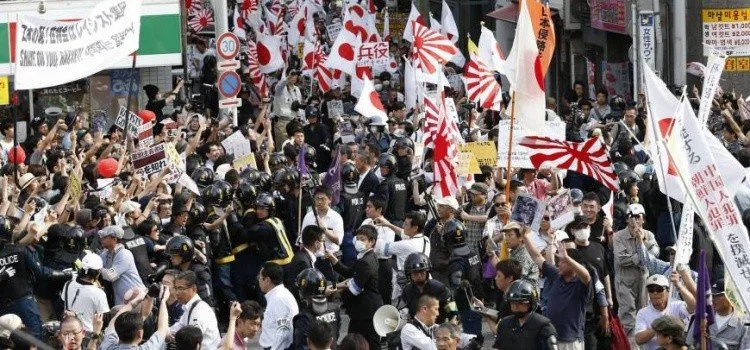
In recent decades, controversies over historical facts have further strained relations between South Korea and Japan. Disputes over how the past is remembered and taught have strengthened nationalist movements in both countries rather than easing the distance between them. Even with occasional attempts at reconciliation, the diplomatic climate remains sensitive.
Many Koreans believe that the Japanese still do not feel real remorse for the crimes of the past. Many Japanese, on the other hand, find Korea's demands for recognition and apology difficult to understand. Those perceptions continue to shape the public mood on both sides.

Contents 4
Japan's invasions of Korea and vice versa
During the Kamakura period, the Japanese faced invasions from the Mongol Empire together with the Goryeo Kingdom (Korea). The offensives against the archipelago failed, and Japan emerged victorious.
In the 16th century, during the Muromachi period, samurai and pirates attacked ships along the coasts of China and Korea. In 1592 and 1598, Toyotomi Hideyoshi, who had unified the nation, ordered the daimyōs to conquer China through Korea. King Seonjo warned China about the invasion.
Japan then occupied the Korean peninsula within three months. Chinese attempts to retake the peninsula failed, and Korea lost the land battles. The Korean Kingdom, however, won all the naval battles, which led to the decisive defeat of the Japanese fleets.
With the war stalled between the Chinese army and the Japanese army, and after Toyotomi's death, the Council of Five Elders ordered the withdrawal of Japanese troops. That eventually led to Korea's victory.
Occupation of Korea
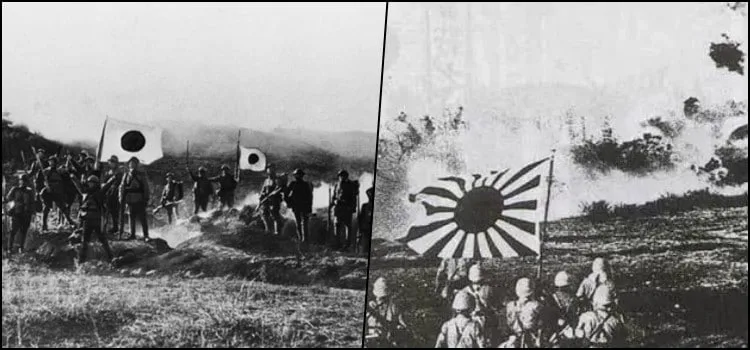
Between 1910 and 1945, Japan occupied Korea and set up a government to administer it as if it were part of Japan. At the same time, industrialization on the peninsula accelerated at the cost of major changes to Korean culture.
Accounts from Koreans describe brutalities committed by the Japanese during that time, ranging from looting and forced labor to rape and executions. If you have not yet read about Unit 731, Koreans were also among the victims of experiments carried out by the Japanese together with Chinese and other prisoners of war during the occupation.
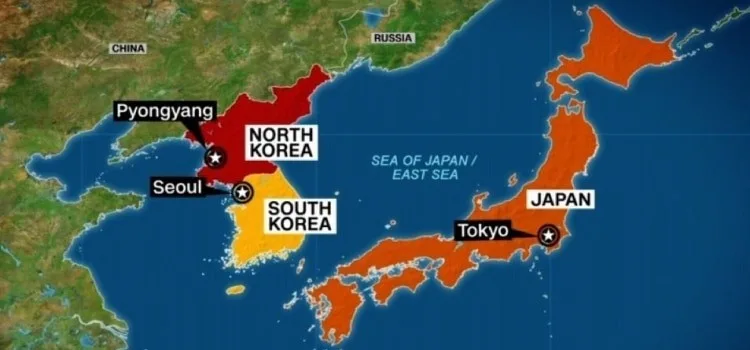
After the withdrawal of Japanese troops in 1945, the peninsula became contested by the Soviets and the Americans. In 1948, that led to the two Koreas. The two countries are still technically at war because no peace treaty has ever been signed.
Political conflicts and controversies
Since then, South Korea long refused to establish normal diplomatic relations with Japan. That relationship was only formalized in 1965 through a treaty on basic relations.
A more visible step forward came in 2015, when both sides addressed the issue of atrocities committed by the Japanese. That led, among other things, to a public apology from Prime Minister Shinzo Abe.
Do Japanese and Koreans hate each other?
In South Korea, many people view the Japanese negatively, while in Japan many people also look at South Koreans with suspicion. A smaller group has a positive view, and the rest remain neutral.
There have been repeated attempts to improve the political situation between the two countries, but the results have usually been limited and have not had much effect.
Did you like the article? Don't forget to leave a comment and share it with your friends.





Community
Comments
0 comments
There are no published comments in this language yet.
Send comment