
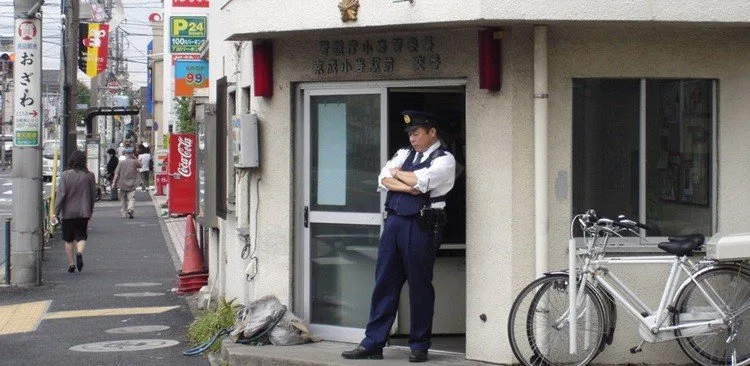
Koban (交番) are the small and famous police posts in Japan. The word koban can also refer to a small police unit. There are more than 6,000 police posts spread throughout Japan.
In these small urban stations, only a few officers work, and they help the local community with everyday problems. Koban are useful if:
- You lost or found something valuable
- You were robbed or threatened
- Someone tried to harass you
- You need to borrow money
- You want to use a phone
- You were in an accident
- You need maps or directions
That's right: if you were robbed or lost your wallet, you can ask for help at a koban. They will review your case and may even lend you money so you can get home.
The police posts are often located near train stations, banks, and entertainment districts. They are built in strategic places to help prevent crime and provide support to the community. Most of the time, koban are used to ask for information, find street addresses, and report lost items.
Interesting facts about koban
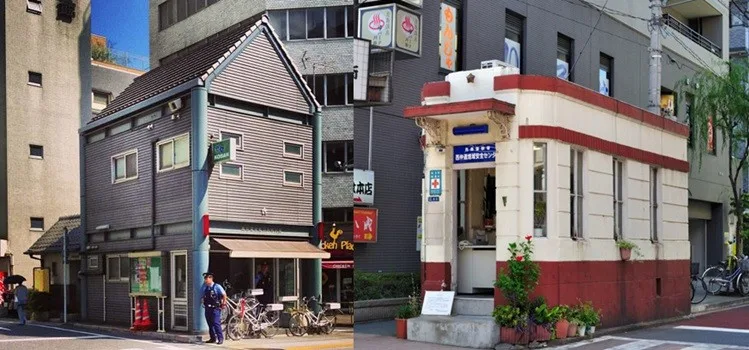
You can find a koban in almost every neighborhood. There are more than 1,200 police posts just in Tokyo. Not all of them are open 24 hours a day, but in many koban you can usually find at least one officer. Another interesting detail is that most police stations in Japan have a unique design and are built to blend in with the neighborhood or city.
In rural areas, koban are replaced by chuzaisho (駐在所), which are residential police posts with the same purpose, usually occupied by one officer and his or her family.
A koban usually has a small team of officers working in shifts and covering the surrounding area. In many cases, both younger and older officers may be assigned there.
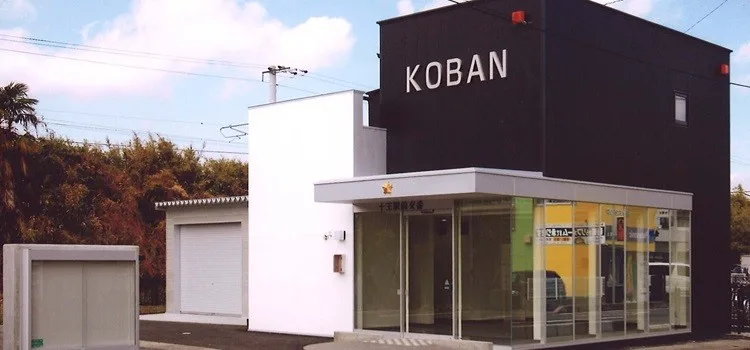
The police posts usually have a red light or a pair of red lights above the doors, along with a golden five-pointed star. Officers often wear the same star on their uniform shoulder.
Communication in a koban
If you do not want to go to a police station directly, you can contact them through 110 (for emergencies) and 9110 (for non-emergencies). Below are some phrases that may help if you need to communicate at a koban:
最寄りの交番はどこにありますか?
Moyori no kōban wa doko ni arimasu ka?
Where is the nearest police station?
秋葉原の行き方を教えてください。
Akihabara no ikikata o oshiete kudasai.
Please tell me how to get to Akihabara.
パスポートを落としてしまいました。
Pasupōto wo otoshite shimaimashita.
I have lost my passport.
鞄を盗まれました。
Kaban wo nusumaremashita.
My bag was stolen.
痴漢に会いました。
Chikan ni aimashita.
Someone harassed me.
電話を貸してください。
Denwa wo kashite kudasai.
Please let me use the phone.




Community
Comments
0 comments
There are no published comments in this language yet.
Send comment