
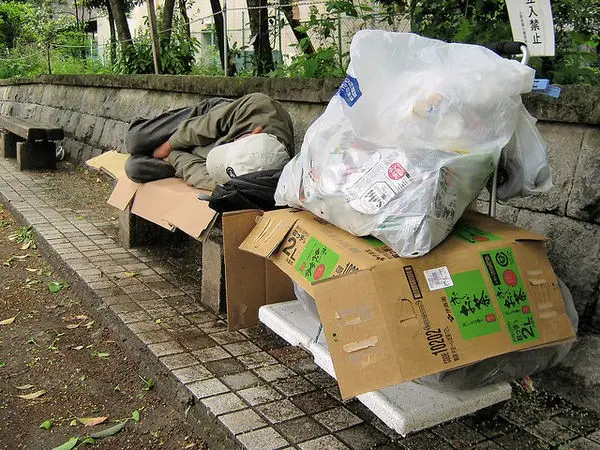
Japan is known for its traditions, discipline, and respect for the elderly. However, amidst a society that values the collective and self-control, a painful phenomenon has gained prominence: kodokushi (孤独死), or "lonely death." This term describes the passing of individuals who spend their last moments alone, without family or friends noticing their absence. It is a growing social problem, especially among the elderly, but it also threatens other age groups.
This phenomenon symbolizes social disconnection in a nation facing the accelerated aging of its population and drastic changes in family ties. Despite government actions and community initiatives, kodokushi continues to expose the vulnerabilities of a country that, ironically, is also known for its devotion to collectivism.

Contents 9
The Causes of Kodokushi: A Modern Dilemma
Kodokushi is the result of a combination of cultural, economic, and demographic factors.
1. The Culture of "Gaman"
"Gaman" (我慢) is a principle deeply rooted in Japanese society. It advocates for stoic endurance of hardships without showing weakness or seeking help. Many elderly individuals, in particular, avoid bothering their relatives or neighbors, even in extreme need. This attitude, while admirable, often contributes to social isolation.
2. Impacts of the Economic Bubble
In the 1990s, Japan faced the collapse of the economic bubble, which resulted in high unemployment rates and early retirements. Many middle-aged workers were unable to reintegrate into the job market, and this financial instability made it difficult to maintain family or social relationships. Additionally, the increase in the number of single or divorced individuals further complicated mutual support in critical times.
3. Demographic Changes
Japan has one of the highest life expectancies but also one of the lowest birth rates. The aging population, combined with the decreasing number of children, has resulted in households consisting of only one person, particularly in urban areas. Without family support networks, many elderly individuals become vulnerable to loneliness and lonely death.
Efforts to Combat Kodokushi
Despite the seriousness of the problem, Japan has implemented measures to minimize kodokushi.
1. Community Initiatives
Local organizations and NGOs have promoted actions to check the well-being of elderly individuals living alone. In some neighborhoods, postal workers and service delivery personnel are encouraged to report any signs of prolonged absence or neglect in homes.
2. Technology as an Ally
Monitoring systems for the elderly are becoming increasingly common. Sensors installed in homes monitor daily activities, alerting family members or authorities in case of prolonged inactivity. These technologies, while useful, still do not replace the warmth of human interactions.
3. Awareness Campaigns
The government and private entities have invested in campaigns to encourage reconnection between generations and to motivate people to ask for help when needed. However, these campaigns face the challenge of overcoming decades of cultural norms and social stigmas.
- Karoshi - Death from Overwork in Japan
- Johatsu - People Disappearing Without a Trace
- Understanding a Bit About Suicides in Japan

An Uncertain Future
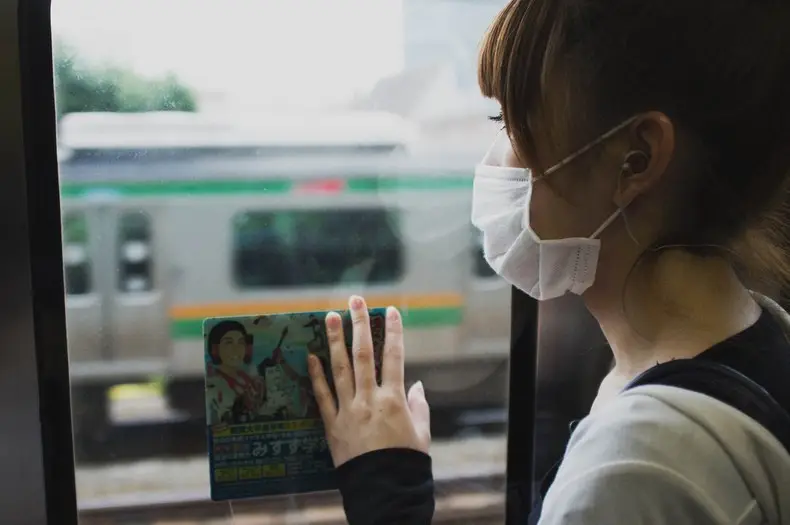
Although kodokushi is more common among the elderly, young Japanese individuals are also vulnerable, especially hikikomoris — individuals who live reclusively for years. The trend towards isolation, combined with the decline in the number of marriages and birth rates, suggests that kodokushi could become an even broader problem in the coming decades.
To combat this phenomenon, it will be necessary not only to rethink public policies but also to revive the importance of community and family ties. Small gestures, such as visiting an elderly neighbor or maintaining frequent contact with relatives, can make a huge difference.
What lessons can we learn from kodokushi? And how can we ensure that no one around us faces a lonely death? These are reflections that transcend cultural boundaries and should lead us to act with empathy and solidarity.





Community
Comments
0 comments
There are no published comments in this language yet.
Send comment