
The kappa (河童) is one of the most emblematic creatures of Japanese folklore, emerging from ancient legends that mix fear and admiration. The older stories describe a dangerous water monster that drowned people and dragged horses to the bottom of rivers; newer versions make it playful, courteous, and surprisingly easy to outwit. Today it appears in horror stories and in friendly representations in anime and games alike.
Contents 8
What is a Kappa? The Origin of the Mythical Water Yokai
The kappa is one of the most well-known yokai in Japan, counted with the oni and the tengu among the three major ones, and its fame is fueled by a mix of fear and respect. The term refers to supernatural creatures that can be both mischievous and dangerous, and the kappa shares that world with hundreds of other legendary creatures. The word "kappa" means "river child," a contraction of kawawappa from kawa (river) and wappa (child); in western Japan, older texts preferred the name kawatarō. Its preferred habitat is rivers, lakes, and swamps, and a few accounts place it in the sea as well.
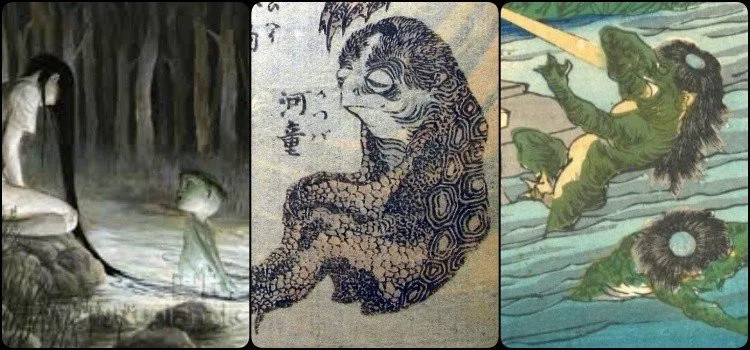
One of the earliest illustrated records is the Wakan Sansai Zue (1712), an Edo-period encyclopedia that carried a woodcut of the kawatarō, shown as a furry, ape-like being about the height of a ten-year-old. Edo-period prints and storytellers gradually turned the feared creature of older texts into a more comical figure.
Appearance and Physical Traits
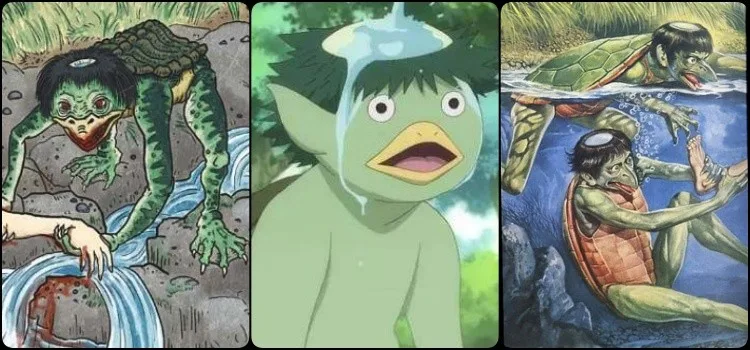
The kappa has a curious and unmistakable appearance, a mix of traits from different aquatic animals. It is usually about the size of a child, with slimy, greenish skin that recalls fish scales or the texture of an amphibian, a face somewhere between a frog and a monkey, webbed hands and feet, and a turtle shell on its back. Its most distinctive feature is the depression on top of the head, called a dish (sara), which must stay filled with water. That water is the source of its strength, and losing it leaves the kappa weak and sometimes unable to move.
Popular belief still describes the kappa as an extremely strong creature, capable of dragging even horses to the bottom of rivers. The old stories give it a grimmer motive as well: it attacks to remove the shirikodama (尻子玉), a mythical organ said to hold the soul, which tradition places inside the anus.

The Dual Nature of the Kappa: From Dangerous to Playful
Despite its frightening history, the kappa is also known for its playful and respectful side. Many stories recount that it can be cheerful and even honest in certain situations. It has a peculiar taste for physical challenges, especially in sumo wrestling, a sport highly appreciated in Japan.
Defeating a Kappa with Respect
There is a curious way to defeat a kappa: courtesy. If a human bows before a kappa, the creature, being extremely respectful, returns the greeting and spills the water from its head dish, which leaves it weakened. Once beaten, the kappa is often made to promise that it will behave, and some legends say it serves the person who outwitted it for the rest of its life.
The Relationship with Cucumbers and Medicine
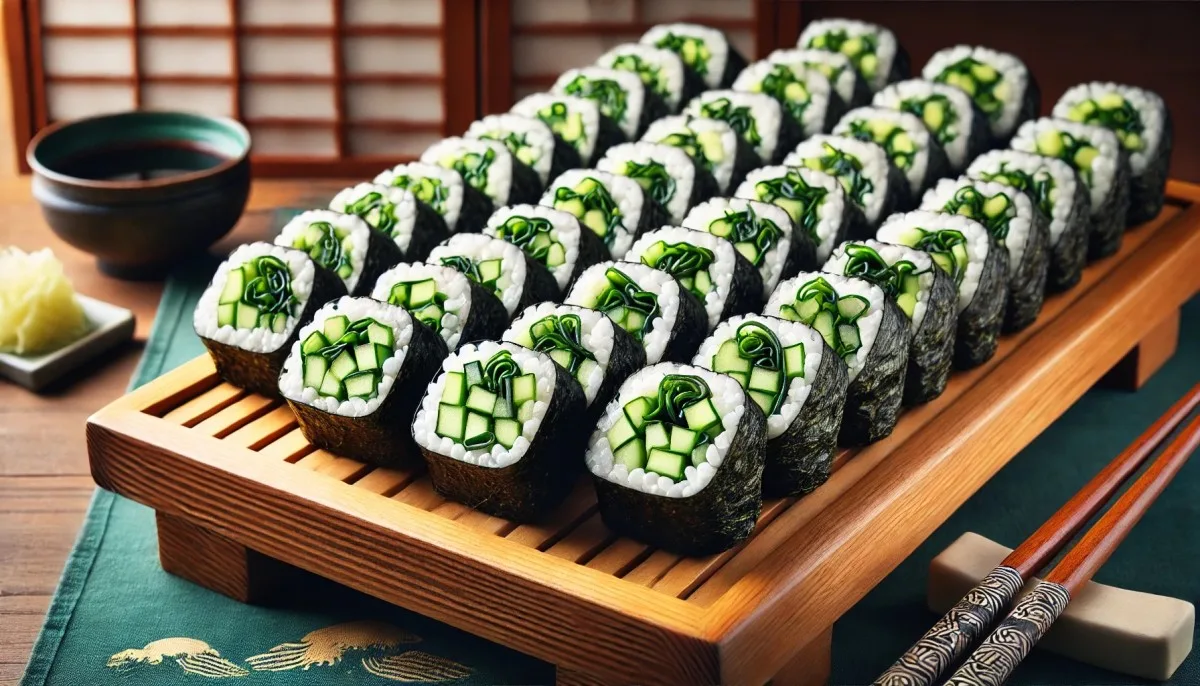
The kappa has a strange affinity for cucumbers, which became an essential part of the offerings made to appease it. In Tokyo, families once floated cucumbers down the river with the names of family members written on them, hoping to protect the children from losing their shirikodama. Legends also warned children not to swim in rivers after eating cucumbers, to avoid attracting the creature. The association is so strong that a cucumber-filled sushi roll is still known in Japan as kappa maki.
In addition to cucumbers, the kappa is known for its connection to medicine. Many legends tell of a captured kappa that ransoms itself by revealing a secret remedy, and several old families claim that an ancestor received the recipe for bone-setting medicine from one. A record from Harima Province in 1754 describes a kappa that traded exactly that secret to have its severed arm restored.
Kappa in Pop Culture: From Villains to Cute Mascots
The kappa has transcended Japanese folklore and become a prominent figure in modern culture. Today it appears in a variety of media, often depicted in a friendly or even comical manner. Towns and businesses have embraced it as a mascot: Fukusaki in Hyōgo Prefecture has the kappa characters Kawatarō and Kawajirō, and a major Japanese sake brewery has used a kappa and its family in its advertising since the 1950s. Warning signs near ponds still borrow the creature's image to keep children away from deep water.
References in Anime, Manga, and Games
The kappa has left its mark on anime, manga, and video games. Some examples include:
- Naruto: Isobu, the Three-Tails, is a turtle-like tailed beast whose shell and water powers bring the kappa to mind.
- Pokémon: Lotad and its evolutions, Lombre and Ludicolo, are modeled on the kappa, from the watery habitat to the lily-pad covering on Lotad's back.
- Digimon: Sagomon and Shawjamon take after Sha Wujing of Journey to the West, a character traditionally depicted as a kappa.
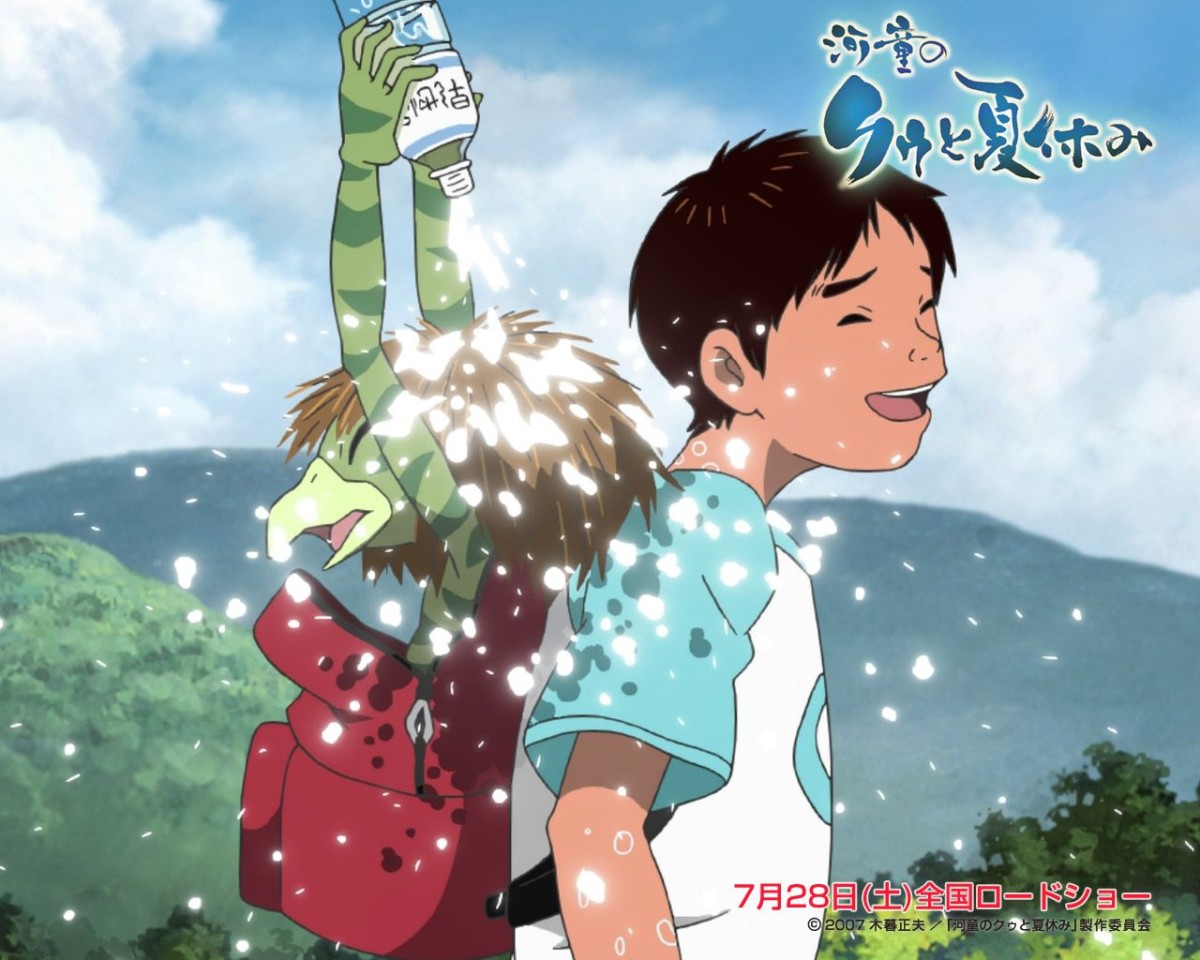
The kappa also appears in games like Harvest Moon, where a friendly version of the creature lives in a lake and accepts cucumbers; in Friends of Mineral Town, a player who throws a cucumber into the lake for ten days in a row earns a Power Berry. The 2007 animated film Summer Days with Coo (Kappa no Kū to Natsuyasumi) tells the story of a boy who finds a young kappa and takes him home. Taken together, these appearances show how far the creature has traveled, from a feared river monster to a hero of family films.
The Kappa Between Myth and Modernity
The kappa is still part of everyday life in Japan: bronze kappa statues line Mizuki Shigeru Road in Sakaiminato, temples and old collections display supposed kappa mummies, and the proverb kappa no kawanagare (河童の川流れ, "even a kappa is swept down the river") reminds people that even a master can make a mistake. A creature once blamed for drownings now warns people against them, which says a lot about how folklore survives.



Community
Comments
0 comments
There are no published comments in this language yet.
Send comment