
In Japanese culture, there is a word that carries centuries of history, pride and dedication: shokunin katagi. It does not translate neatly into other languages, because it means far more than "being a craftsman". It is an attitude toward life itself. Picture someone who spends years, sometimes decades, mastering a single skill. Not for fame or money, but for pride, for the pursuit of excellence, and for an almost sacred respect for the craft in their hands. That is shokunin katagi.
Have you ever wondered why a simple piece of sushi made by a true master can move you? Or how a Japanese carpenter builds temples that last a thousand years without a single nail? The answer lies in this invisible spirit, which shows up in every small detail. Let's look closer at what it really means to be a shokunin, and why the ideal still feels as relevant today as it did centuries ago.
Contents 8
What Shokunin Katagi really means
Shokunin katagi (職人気質) is often translated as "the spirit of the craftsman". But that is only the surface. The combination of shokunin (craftsman, master of a trade) with katagi (character, temperament) reveals the real core: it is the character of someone who lives and breathes their art.
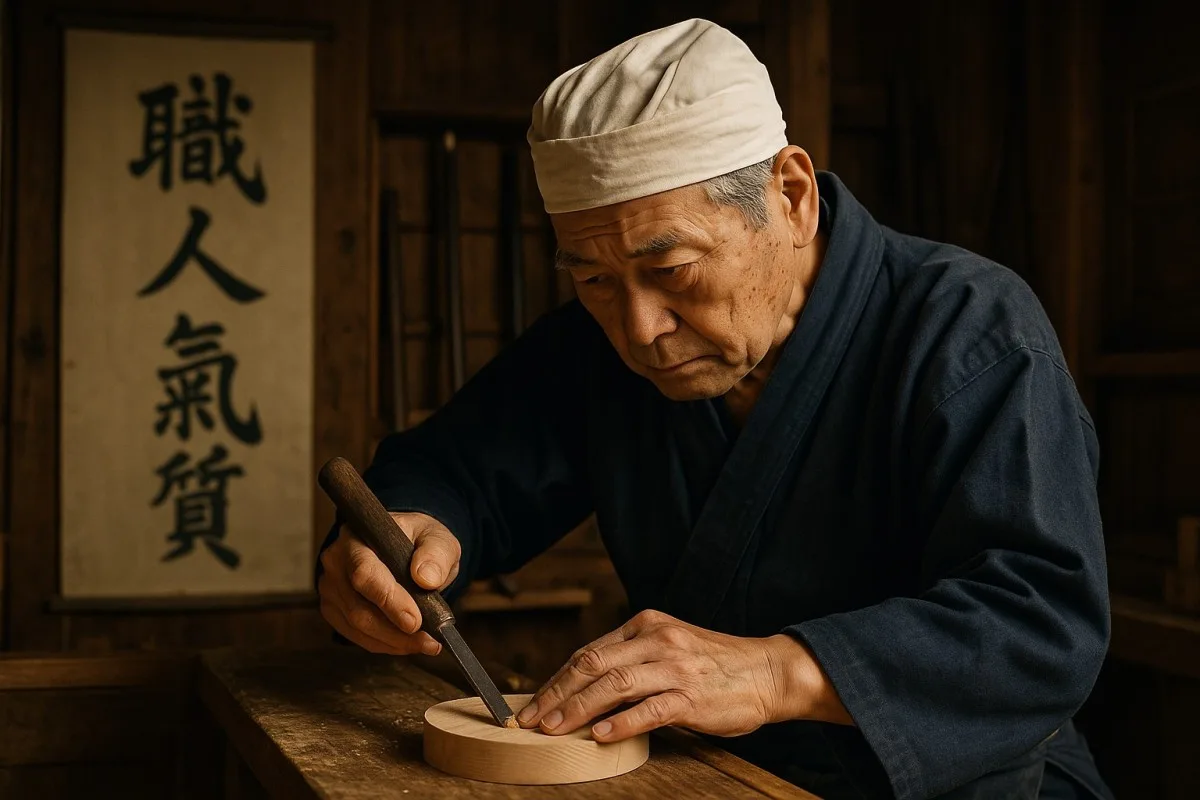
The concept runs through traditional professions in Japan: daiku temple carpenters, chefs, swordsmiths, ceramic masters, weavers. What do they all share? An almost obsessive commitment to perfection.
It is not only about technique. A true shokunin carries a strong sense of ethics, responsibility and humility. They do not compete with others; they compete with themselves, trying to become a little better every single day.
The history behind the term
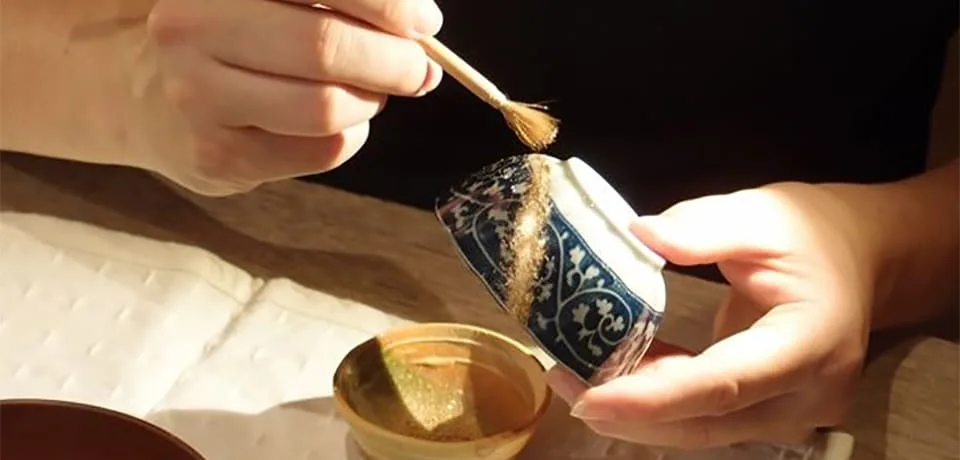
The roots lie in Japanese history and cultural values. Since the Edo period (1603-1868), society has recognized and honored master craftsmen. Practical mastery was respected, and the shokunin was seen as someone who served their community through their excellence.
Have you come across the word kodawari? It is another Japanese concept closely linked to shokunin katagi. Kodawari describes the meticulous pursuit of quality, a careful fixation on detail. A ramen chef who spends twenty years refining a broth before opening a shop is practicing kodawari. And that kind of dedication only truly flourishes alongside the shokunin spirit.
The five principles of shokunin katagi
From centuries of practice, five core attitudes emerge that carry shokunin katagi forward:
- Choose one thing you want to master. Whether it is photography, gardening, programming or the art of making a perfect cup of coffee, what matters is depth, not breadth.
- Love the process, not just the result. Shokunin value every step and carry it out with full attention, from the first hand movement to the final polish.
- Keep improving, slowly and steadily. Even after decades, a true master still sees themselves as a student. The Japanese word kaizen (改善) captures this attitude well.
- Put respect into what you do. Even the simplest task deserves care and dignity, because it is part of your craft.
- Avoid cheap shortcuts. A shokunin never cuts corners where it counts: not in time, not in attention, not in materials, not in ethics.
If "the devil is in the details", for the shokunin, excellence lives in the same place.
Shokunin katagi in everyday life today
A living example is the chef Jiro Ono, known from the documentary Jiro Dreams of Sushi. He embodies shokunin katagi as well as anyone could. In his nineties, he still goes to work every day, adjusting microscopic details in the preparation of every single piece of sushi.
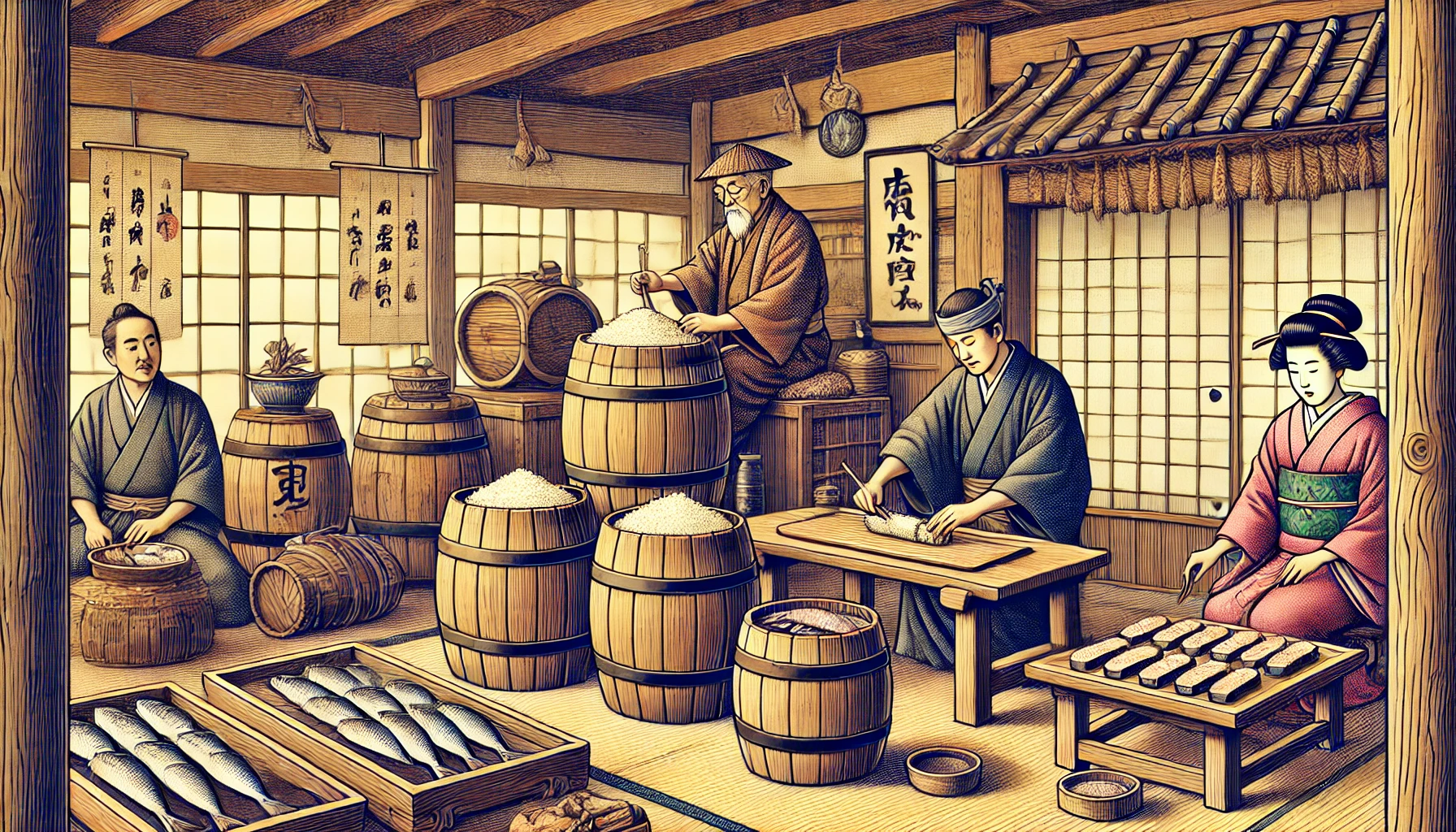
His restaurant has only ten seats, tucked into a Tokyo subway station, and has earned three Michelin stars. The secret is simple: Jiro does not cook to please the customer. He cooks to honor the art of sushi. And that attitude, paradoxically, is what moves people around the world when they taste his food.
Jiro also demands the same standard from his suppliers of rice, fish, vinegar and everything else. He only works with people who share the same spirit. That is shokunin katagi in practice: a quiet network of perfectionists standing together for something larger than themselves.
How to bring the spirit into your own life
Shokunin katagi is not limited to Japan. The same spirit shows up in a pizzaiolo in Naples, a couture seamstress in Paris, or a luthier in Buenos Aires. In Japan, this attitude was named, shaped and nurtured as a social value, but the inner mindset has no borders.
Do you know someone who throws themselves into their work with almost exaggerated intensity, refuses shortcuts and prefers to work slowly and well, even when no one is watching? That person is already living shokunin katagi, whether they know it or not.
One important distinction: this is not about being a workaholic or sacrificing yourself for no purpose. It is about working with soul. Turning the ordinary into something special. Leaving a piece of yourself in everything you do.
Examples from Japanese culture
A few glimpses of how deeply this spirit is woven into Japanese culture:
- In many traditional trades, apprentices spend years simply observing the master before they are allowed to touch a tool.
- Certain Japanese blades can only be forged by blacksmiths certified as dentou kougeishi, traditional craft artisans.
- In Kyoto, there are family-run shops that have been operating for over four hundred years, passed from generation to generation with the same careful dedication.
- The concept stretches well beyond craft: into calligraphy, Noh theater, the making of zen gardens, anywhere patience and repetition slowly take shape.
Conclusion: the invisible value of silent excellence
In a world that runs on speed and instant results, shokunin katagi feels like a quiet act of resistance. A powerful reminder that consistency, detail, patience and full devotion to something you love have a value of their own. Whether the world is watching or not, the true shokunin works out of conviction, not for applause.
Maybe that is what makes this ideal so powerful: it inspires. It shows that any kind of work, however simple, can be turned into a form of art.
Next time you sit down to make a meal, write a message or repair something at home, try to bring a small piece of that spirit with you. It may change the way you see the task, and maybe the way the world sees you too.
Further reading
- Documentary: Jiro Dreams of Sushi (David Gelb)
- Book: Shokunin: The Japanese Art of Craftsmanship by Tasio Kiuchi
- Background: NHK World, feature on the role of shokunin in Japanese everyday culture





Community
Comments
0 comments
There are no published comments in this language yet.
Send comment