
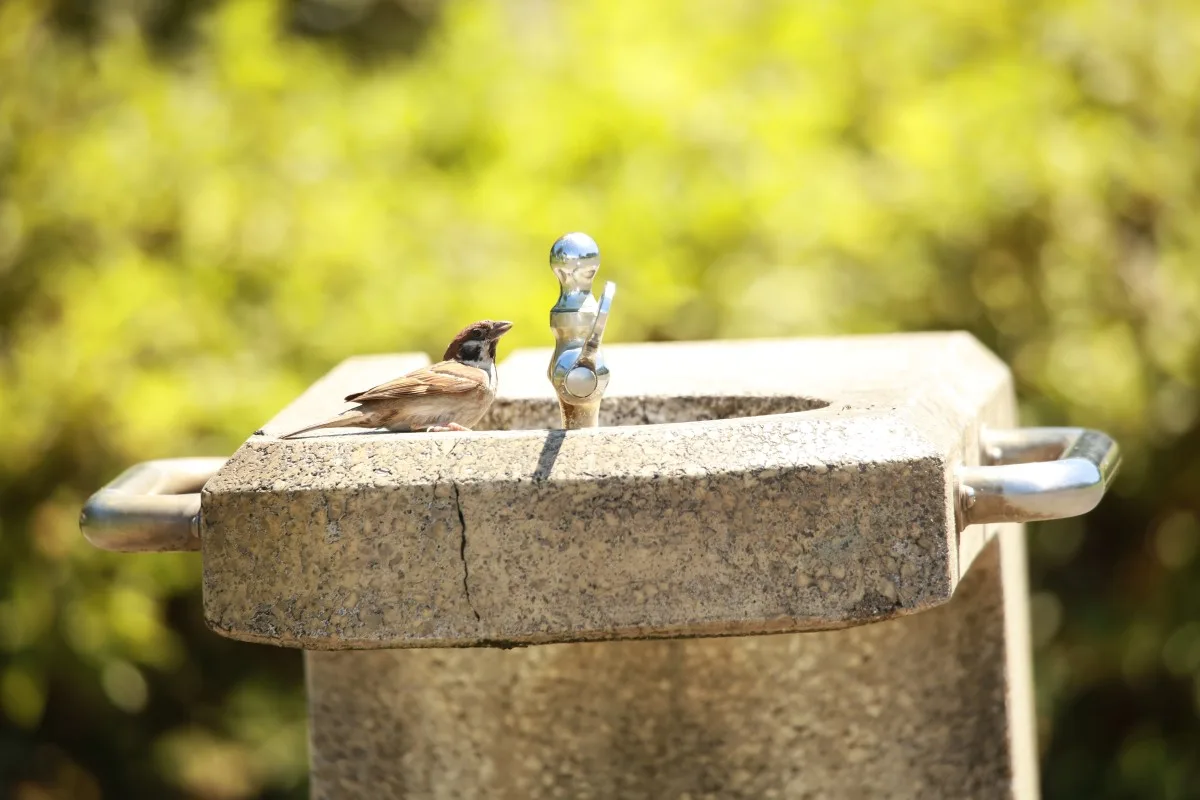
It is no secret that Japan has one of the safest and most reliable tap waters in the world. In fact, the quality of the country's water is so high that it is often used as a benchmark for other countries to aspire to. Therefore, if you are wondering if it is safe to drink tap water in Japan, the answer is yes!
Yes, it is safe to drink tap water in Japan. The water is safe because the Japanese government requires public utilities to meet strict water quality standards. These standards are based on the Drinking Water Quality Guidelines developed by the World Health Organization.
Since 1887, tap water in Japan has been safe for consumption.
We recommend reading:
- Is Fluoride banned in Japan?
- Periodic Table Elements in Japanese
- Onsen – Natural Hot Springs of Japan
Contents 5
What is the water like in Japan?
Japan is a country full of mountains and rivers, surrounded by natural resources, which contributes to good water quality, rich in vitamins and minerals. Despite this, Japan has soft water.
Soft water usually has low calcium content, making it easier to drink and also suitable for cooking, as it does not alter the flavor of food.
The price of water in Japan is also very cheap. Tap water in Japan costs about 0.3 yen per liter, much cheaper than paying 100 yen for a bottle of water.
Water Purification in Japan
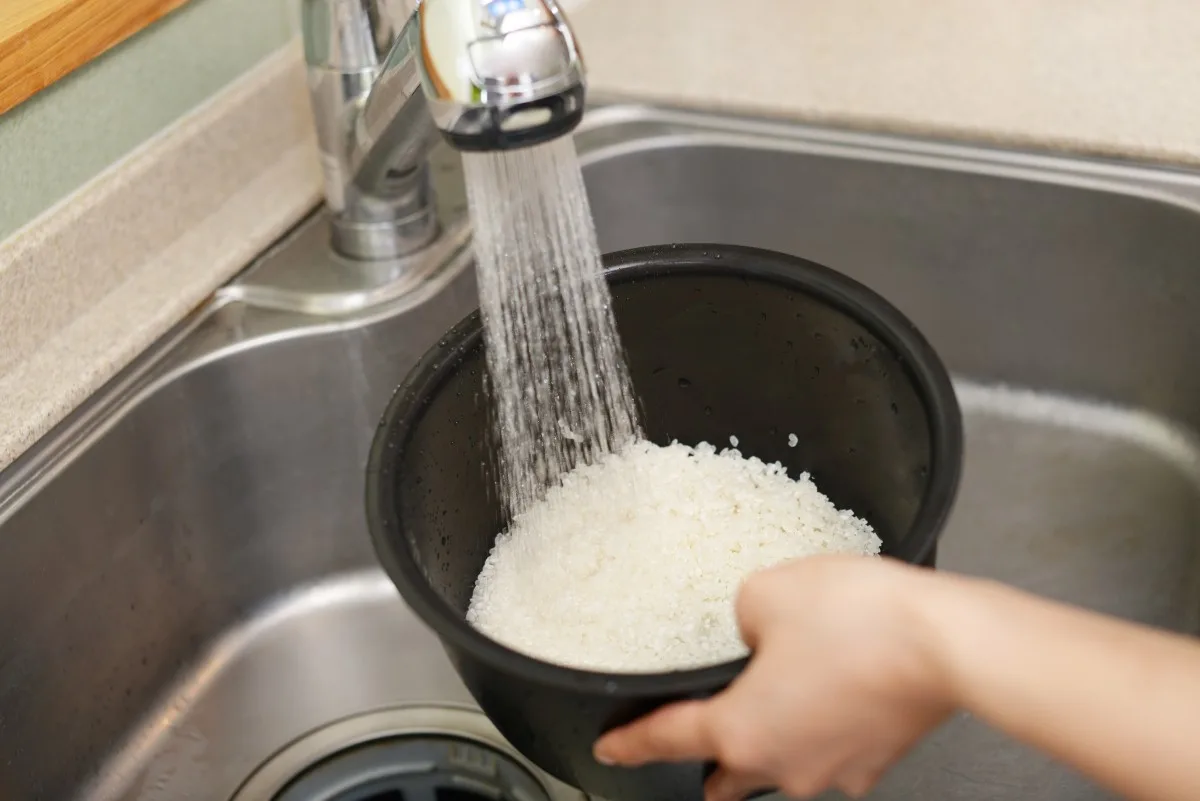
The Water Works Law regulates 51 different types of water safety inspections. The water undergoes purification, becoming clean, drinkable, and free from impurities like sand, and chlorine is used to sterilize bacteria.
Public utilities in Japan regularly test their water to ensure it meets these standards. If there is any problem with the water, the utilities take steps to correct it.
There are a few things to keep in mind when drinking tap water in Japan. The water is safe to drink, but it may not have the best taste compared to bottled water.
Something that can change the taste or affect the quality of the water is high residual chlorine, deterioration of the apartment's water tanks, or old and outdated plumbing.
Could there be anything wrong with the water in Japan?
Of course, as in any country, there are always exceptions to the rule. In rural areas, for example, it is not uncommon for wells and other small-scale water sources to be contaminated with bacteria or other contaminants.
That is why it is always a good idea to check with your local tourist information center or hotel staff if there are any known issues with tap water in your specific area.
The Japanese government requires public utilities to provide customers with information about the quality of their water. Customers can also obtain this information on the website of the Ministry of Health, Labour and Welfare.
There may be some dirt or sediment in the water. This is not harmful, but it may not be the tastiest water. If you are concerned about the quality of the water, you can buy a filter to remove the sediment.
But in general, you can be assured that tap water in Japan is safe to drink. So go ahead and fill your water bottle with tap water.
Where to drink water in Japan?
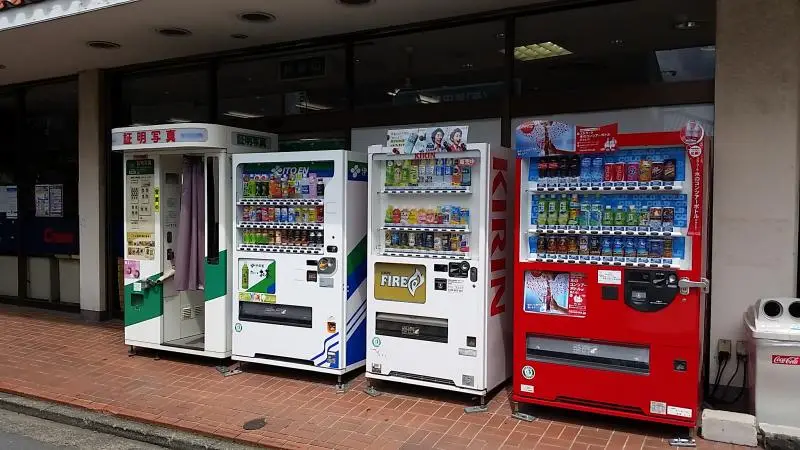
If you do not want to drink tap water, you can turn to other types of water. In convenience stores or vending machines, you can buy bottles of water for about 100 yen.
It is not very common to find drinking fountains in establishments, but you can find them in parks, gardens, and other tourist attractions. Generally, the water from these fountains comes directly from the tap.
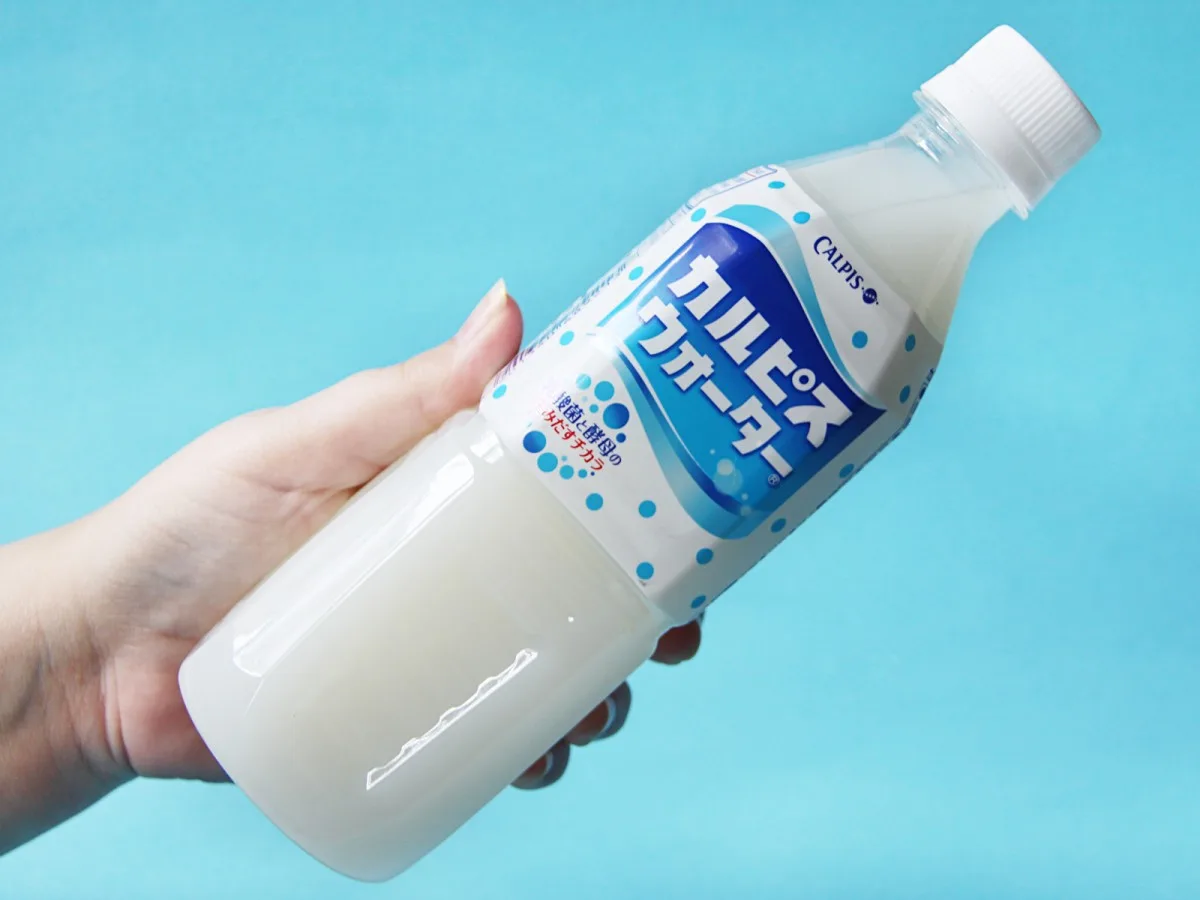
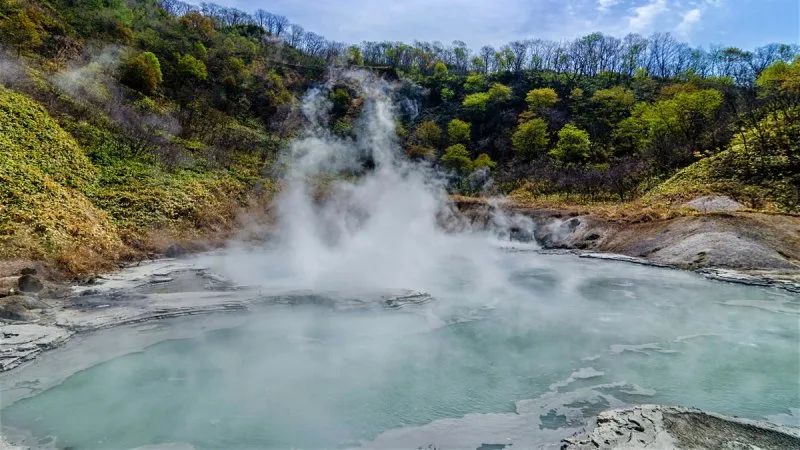
Japan also offers flavored waters, alkaline waters, and other types of waters for consumption. They can be found in different types of establishments, even in onsens.
Water Purifiers in Japan
Although tap water in Japan is suitable for consumption, many still prefer to take precautions by using water purifiers or water dispensers.
If your goal is just to filter the water once more, we recommend those filters that fit onto the taps. Another popular filter is the one that cools the water, allowing for cold and refreshing water.


Community
Comments
0 comments
There are no published comments in this language yet.
Send comment