
Articles and travel lists highlighting reasons to visit Japan are everywhere. Personally, I have rarely seen guides discussing reasons why someone might never want to set foot in the country. Tastes are personal, so no matter the destination, there will always be cultural aspects or daily frictions that certain travelers dislike. For that reason, let's look at 17 reasons why you might never want to travel to Japan.
Because I prefer exploring topics thoroughly, these 17 core points also include secondary details along the way. In a sense, there are dozens of smaller observations tucked into this guide that could make a hesitant visitor think twice. At the end, I have also included a quick list of everyday quirks that need no long explanation.
My goal is not to discourage you blindly, but to present an honest reflection suitable for every curious traveler. Pay close attention to how each reason unfolds and where the journey leads, so you understand the real message behind it. I left an important conclusion at the end, and I encourage you to read it through.
Contents 19
1 - Fear of Natural Disasters
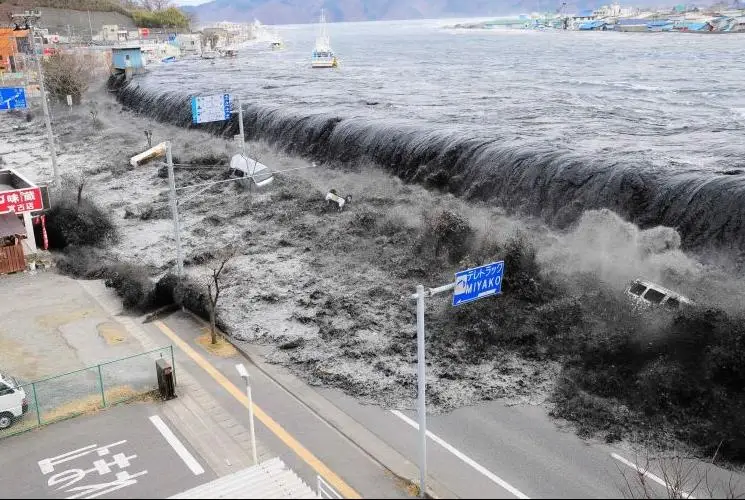
Geographic anxiety is one of the main factors that make prospective travelers hesitate before booking a trip to Japan. A country with over one hundred active volcanoes, seasonal typhoons, frequent tremors, and coastal tsunami risks can sound intimidating to anyone planning their first visit. Fortunately, seismic hazards do not need to prevent you from traveling, as Japan maintains some of the most advanced disaster prevention systems on the planet. Do I really need to be afraid of earthquakes in Japan?
The reassuring reality is that Japanese buildings and infrastructure adhere to exceptionally strict seismic engineering standards. Modern skyscrapers, stations, and residential homes absorb minor tremors routinely with no disruption to daily life. While coastal tsunami hazards demand vigilance, early warning alarms transmit instantly to mobile phones nationwide, and coastal communities maintain well-marked evacuation towers.
2 - The difficulty of socializing in Japan
One genuine hurdle for newcomers is navigating social connections with local residents. Japanese social culture values reserve and privacy, which foreign visitors sometimes mistake for distance or disinterest. Older locals can occasionally seem set in their ways, while younger people often feel self-conscious about their conversational skills when approached unexpectedly.
Breaking through that initial barrier takes patience and an appreciation for local customs. Welcoming international community hubs, traveler meetups, and neighborhood izakayas offer easy opportunities to strike up friendly conversations. Once you establish a genuine connection, Japanese hospitality is warm, generous, and lasting.

3 - The language is very difficult and the Japanese do not speak English
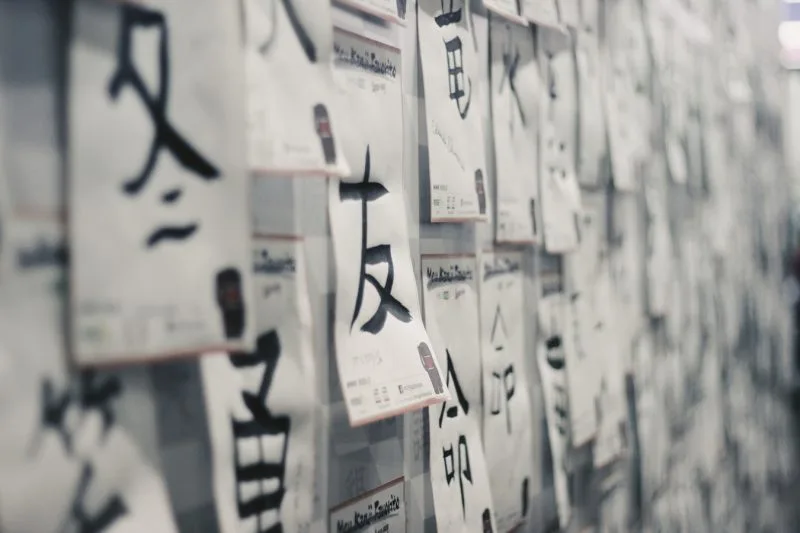
Many travelers cite the language barrier as their biggest source of travel anxiety. Japanese grammar differs considerably from Western languages, and conversational English fluency remains limited outside international hotel chains and major transit desks.
In practice, getting around Japan as a foreign visitor is remarkably manageable. Major rail networks, subway stations, and highway signs display bilingual directions using clear Roman alphabet transcriptions known as romaji. With modern translation apps, ticket vending machines featuring English menus, and courteous station staff, fluency is completely unnecessary to enjoy a smooth journey across the archipelago.
4 - The climate, the seasons, and allergies
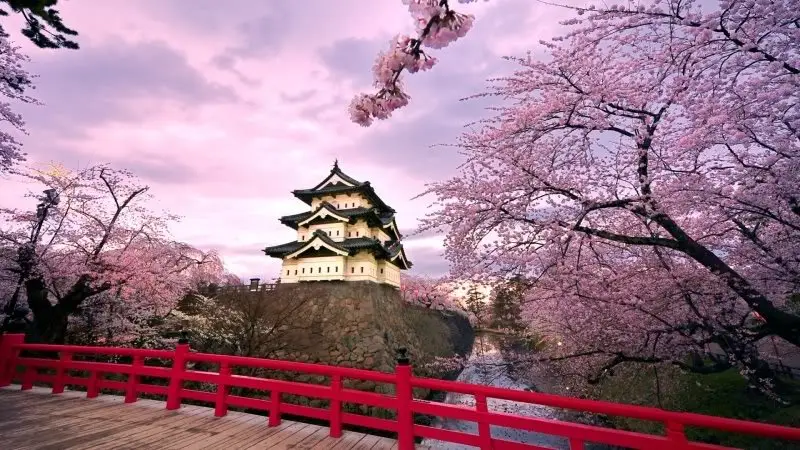
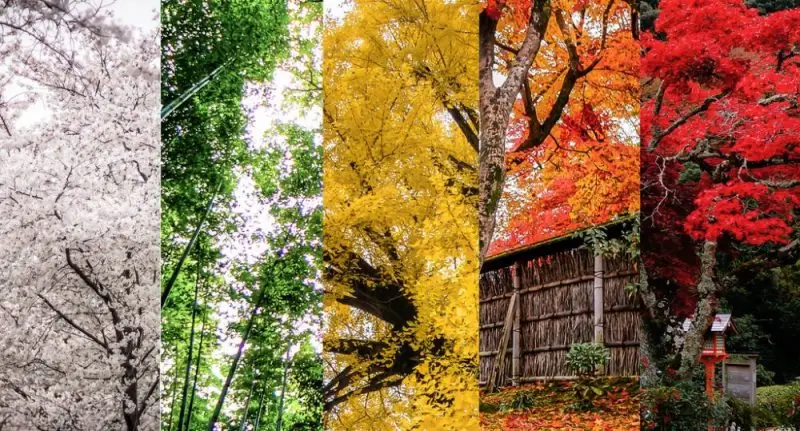
Japan experiences four distinct seasons, each bringing its own climatic extremes. Spring offers celebrated cherry blossoms, yet it also unleashes severe cedar pollen that causes seasonal allergies known as kafunsho for millions of residents. Summer brings intense humidity, sudden tropical downpours, and typhoons that test outdoor itineraries. Autumn delivers vibrant golden foliage across temple gardens, while winter blankets northern regions like Hokkaido and Tohoku in massive layers of powder snow.
5 - Things are not as cheap as you think
While Japan is often perceived as an expensive luxury destination, actual travel costs depend heavily on planning. High-speed Shinkansen tickets, premium boutique accommodations, and luxury fruit gifts can strain an unprepared vacation budget. Dining at neighborhood noodle counters or convenience stores remains very affordable, yet boutique shopping or specialized excursions easily add up. Visitors should budget carefully for regional transit passes and daily meals to avoid unexpected expenses.
6 - Everything is sold in units
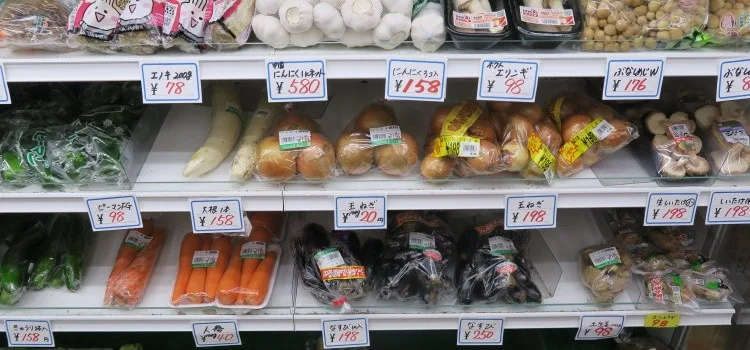
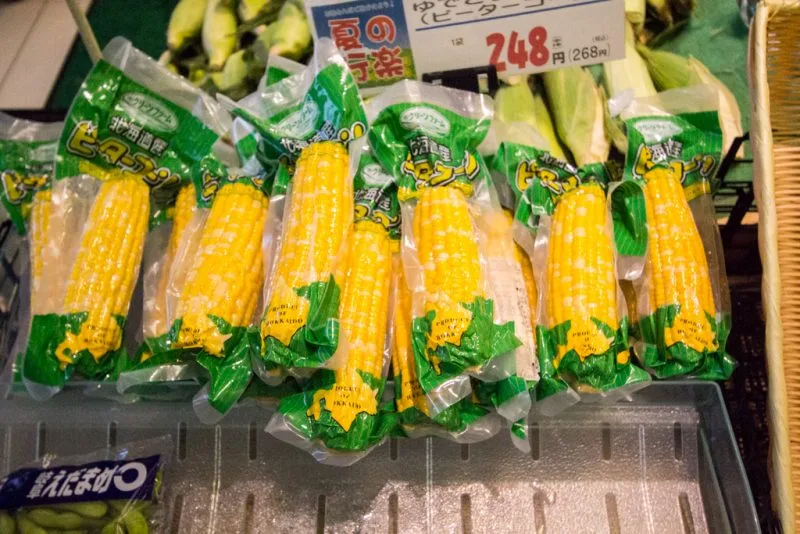
Supermarket shopping in Japan reveals a distinctive retail culture focused on individual portions. Fresh apples, ears of corn, and bakery items are commonly wrapped and sold as single units rather than in bulk bags. While this practice helps prevent food waste and ensures peak freshness, the sheer volume of protective packaging means travelers must learn to sort their trash diligently into burnable items, plastics, and recyclable containers.
7 - Everything in Japan is very cute
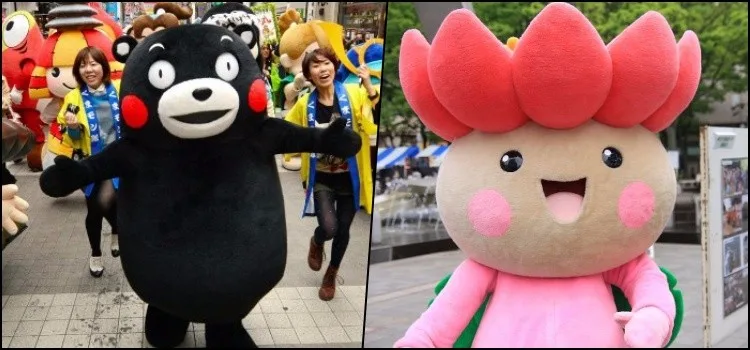
Visitors who prefer strictly serious environments may find Japan delightfully or bewilderingly playful. The omnipresent concept of kawaii permeates everyday public life. Construction barriers feature smiling cartoon animals, municipal police departments employ adorable mascots, and train cars carry cheerful animated safety posters. If you dislike playful aesthetics, the whimsical charm of Japanese streetscapes will challenge your expectations.
8 - Having to take off your shoes
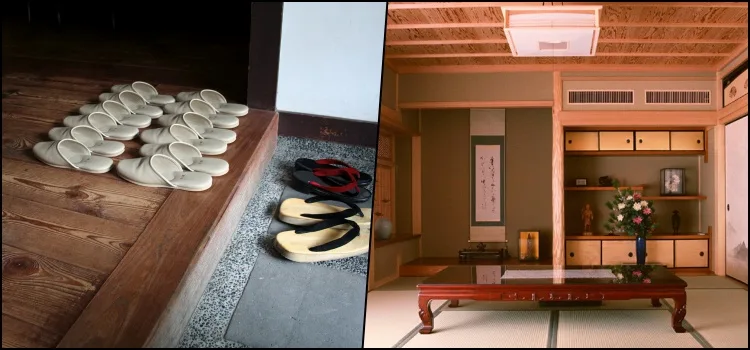
Traditional indoor etiquette requires removing outdoor footwear before stepping past the entrance hallway, known as the genkan. This custom applies in private residences, traditional ryokan inns, temple pavilions, and certain classic restaurants with tatami flooring. Slipping shoes on and off multiple times a day might feel unfamiliar, yet it preserves spotless wooden floors and creates a clean, peaceful living atmosphere.
9 - Houses are very small
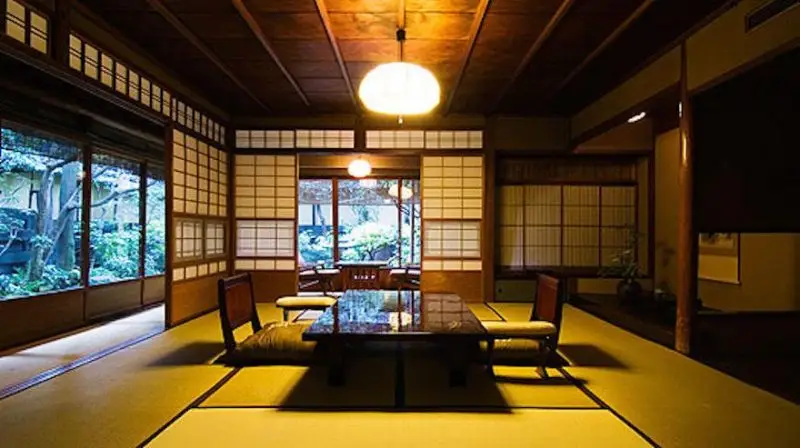
Urban real estate in Tokyo and Osaka prioritizes extreme spatial efficiency. Hotel rooms, rental studios, and capsule pods feature compact layouts where every square foot serves a functional purpose. Travelers who require expansive suites will need to budget for larger luxury hotels, while adventurous explorers can appreciate how Japanese interior design turns modest spaces into cozy, highly functional retreats.
10 - You don't want to see epic mountains
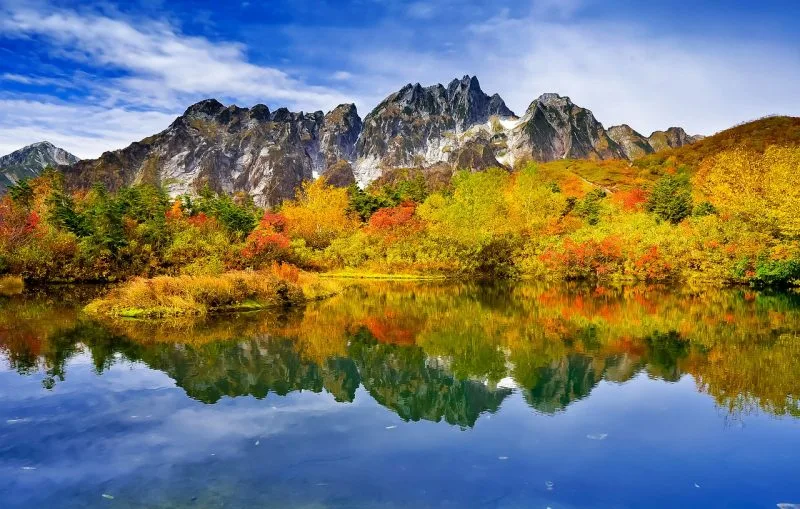
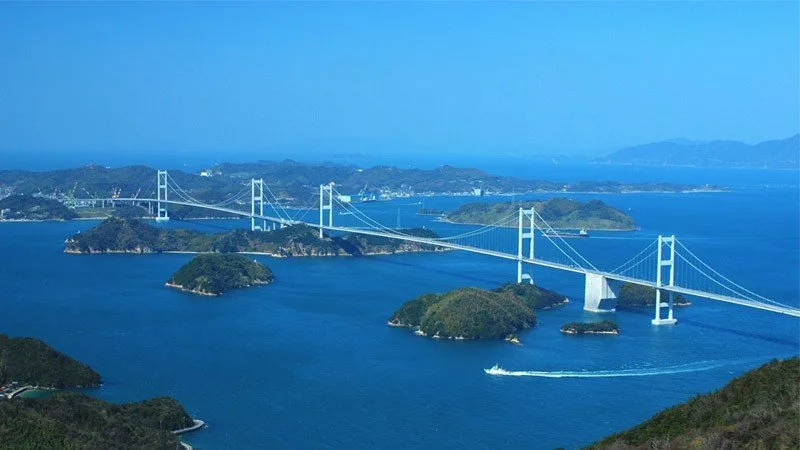
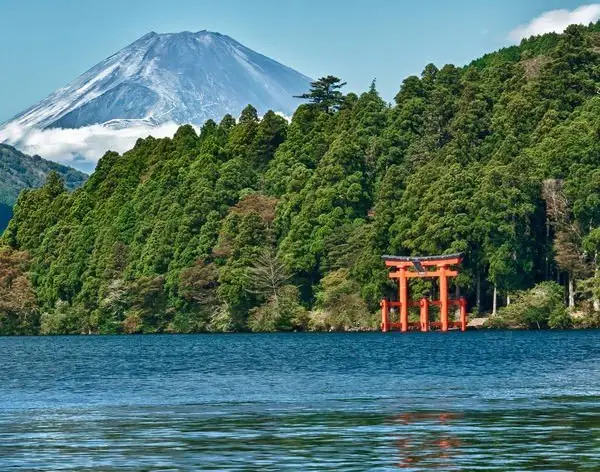
Roughly three quarters of Japan consists of mountainous terrain carved by volcanic ridges, dense cedar forests, alpine rivers, and geothermal springs. Anyone who prefers flat horizons without scenic elevation might question traveling to an island nation where alpine peaks rise dramatically behind coastal cities. For mountain lovers, visiting regions rich in natural hot springs offers world-class outdoor recreation.
11 - The cities are gigantic making a beautiful view impossible
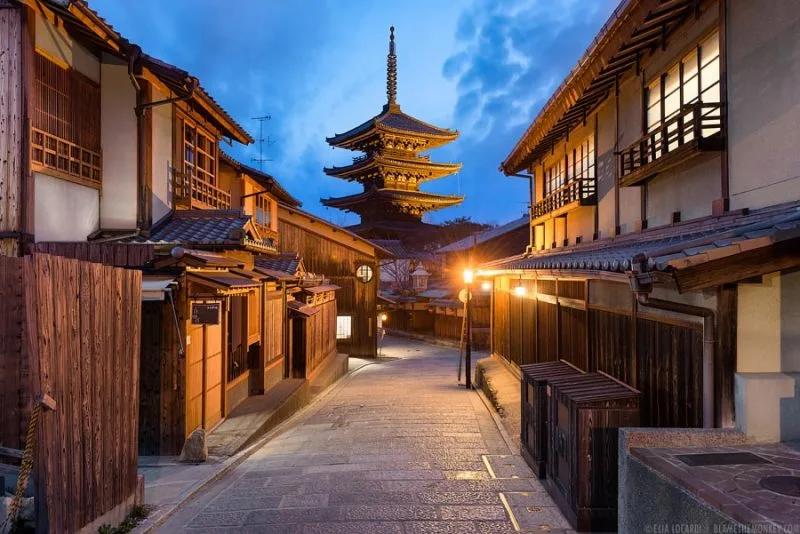
Dense urban skylines in Japan feature towering commercial towers, multi-tiered train tracks, and glowing neon storefronts that create an overwhelming visual panorama. Some travelers assume concrete density blocks any appreciation of natural beauty. The reality is quite the opposite, as observation decks across Tokyo and Kyoto offer sweeping panoramic vistas that blend historic temple rooftops with futuristic cityscapes.
12 - Japan is very organized and clean
Travelers accustomed to casual public behavior might find Japanese civic discipline surprisingly strict. Streets remain remarkably free of litter despite a scarcity of public trash bins, because citizens carry their personal waste home. Pedestrians stand patiently at crosswalks, queue in single file at train platforms, and keep escalator passing lanes clear. If you find order stressful, the seamless rhythm of Japanese cities will demand a quick adjustment.

13 - The Japanese are very punctual
Schedule precision is taken very seriously throughout Japan. Rail services, long-distance buses, and business appointments operate precisely to the minute. If an unexpected railway delay occurs, station attendants apologize profusely and issue formal delay slips for employers. For travelers used to casual timekeeping, Japanese punctuality leaves no room for dawdling when catching your morning train.
14 - There are many animals roaming freely in Japan
Wildlife encounters in Japan happen in surprisingly accessible public settings. Sacred sika deer wander alongside visitors through the park temples of Nara, free-range rabbits greet travelers on Okunoshima, and famous snow monkeys soak leisurely in geothermal springs at Jigokudani. Travelers who only enjoy seeing animals behind zoo enclosures might find these spontaneous, peaceful encounters startling.

15 - The fearsome public baths of the Japanese
Communal bathing in hot mineral springs represents a cornerstone of Japanese wellness culture. Entering a traditional onsen requires bathing completely unclothed, washing thoroughly at a seated shower station before stepping into the water, and keeping hair pinned up. For travelers unused to communal nudity, the experience can cause temporary hesitation, yet modern Japanese houses and hotels also provide deep soaking tubs for relaxing privacy.

16 - You just wanted sushi, but only find diverse restaurants
First-time visitors often assume Japanese dining revolves almost entirely around raw fish and sushi rolls. In reality, Japanese culinary culture is vast, specialized, and dominated by regional noodles, hearty rice bowls, grilled skewers, and savory comfort foods. From bubbling hot pots and golden tempura to crispy tonkatsu and rich tonkotsu ramen, the sheer diversity of specialized dining spots will leave you endlessly debating where to eat next.

17 - Respect for others is very high
Civic consideration underpins public interactions across the country. Commuters speak in hushed tones on crowded trains, personal phone calls are avoided in transit carriages, and open displays of affection remain discreet. Pedestrians offer polite bows and courtesies constantly throughout the day. If you prefer loud, boisterous public environments, Japan's peaceful culture of mutual consideration will feel like an entirely different world.

Other quick reasons for you not to want to go to Japan
Beyond the seventeen detailed themes, daily life in Japan features numerous smaller quirks that surprise international visitors. Here is a quick collection of everyday observations:
- Many vending machines;
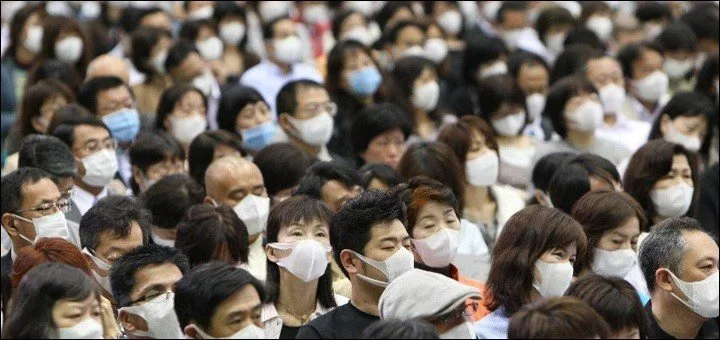
- People wearing masks;
- Pachinko parlors with loud sensory action;
- Yakuza history and strict anti-gang laws;
- Enthusiastic otaku and pop culture districts;
- Intricate webs of interconnected train lines;
- Popular restaurant queues during peak hours;
- Noodle slurping accepted as a sign of enjoyment;
- Vehicles driving on the left side of the road;
- Strict tattoo rules at traditional public baths;
- Dense pedestrian crowds at major city crossings;
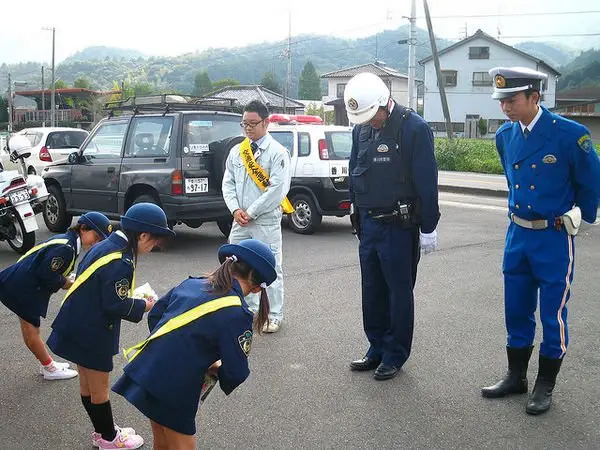
- Classic school uniforms and formal business attire;
- Local folklore superstitions and ghost stories;
- Commuters sleeping peacefully on moving trains;
Are there reasons not to travel to Japan?
If after reviewing all these quirks, cultural shocks, and minor travel hurdles you still feel an irresistible desire to pack your bags, you are ready for an unforgettable journey. You can also explore the infographic on this same subject written by my friend Tsuge for an alternative visual perspective.
I wrote this guide with a deliberate layer of irony. While the first several points involve real practical adjustments, such as navigating a foreign language, seismic geography, and distinct social rules, none of them should stand between you and an extraordinary journey. Every perceived difficulty comes paired with a remarkable upside: efficient emergency systems, hospitable locals, world-class transit, and breathtaking landscapes.
Many of the obstacles travelers imagine exist mainly in their own heads before departure. When you approach Japan with patience, open-minded curiosity, and basic respect for local customs, the unfamiliar quickly turns into the unforgettable. I hope you enjoyed this playful overview and feel inspired to share it with fellow travel enthusiasts. Thank you, and see you on the next adventure!
No one can give you negative reasons except yourself!


Community
Comments
0 comments
There are no published comments in this language yet.
Send comment