
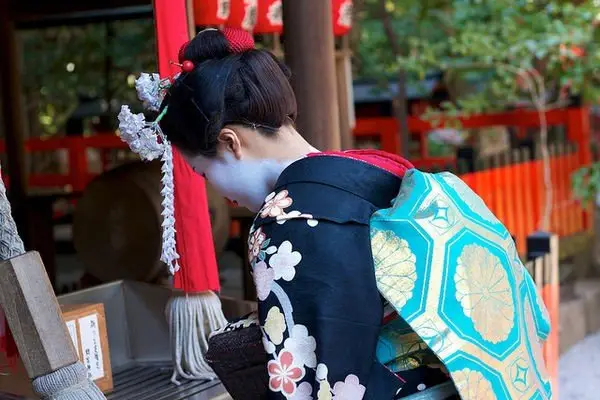
Japan has no single religion that explains everyday life on its own. Shinto and Buddhism are the two major traditions, and many people take part in customs from both without treating them as competing identities. A family may visit a shrine at New Year, celebrate a wedding with Shinto rites and hold a Buddhist funeral. That overlap is the best place to start when asking what religion Japan follows.
Religion is often most visible at turning points: a child's blessing, a local festival, a memorial service or a visit to pray for safe travel and good fortune. It also survives in quieter habits, from an offering at a neighborhood shrine to incense placed before a family altar.
Contents 10
Shinto and Buddhism: the two main traditions
Shinto (Shintō, 神道) is Japan's indigenous tradition. Its name is commonly translated as the way of the kami. Kami are not a simple equivalent of Western gods; the word can refer to presences associated with places, natural forces, ancestors or things held in awe. Shinto does not rest on one founder or a single binding creed, which helps explain why its practices are closely tied to particular communities and shrines.
Buddhism reached Japan from the Asian mainland in the sixth century and developed into many schools, including Pure Land, Zen, Nichiren and Shingon traditions. Temples, memorial rites, images of Buddhas and bodhisattvas, and home altars are among its familiar forms in Japanese life.
Why Shinto and Buddhism overlap
It is tempting to ask whether Shinto or Buddhism is Japan's predominant religion, but the question can make the country sound more exclusive than it is. The traditions have influenced one another for centuries, and people do not always separate cultural custom from personal belief in the way a census form might suggest.
That is why familiar examples are useful: a Shinto shrine is a common place to ask for a blessing, while Buddhist temples are strongly associated with funerals and memorial observances. Neither rule is absolute, and the meaning of a visit depends on the family, region and occasion. The important point is participation, not forcing every act into a single label.
For a closer look at the indigenous tradition, see our guide to Shintoism in Japan. For Buddhist history and practices, continue with Buddhism in Japan.
How to tell a shrine from a temple
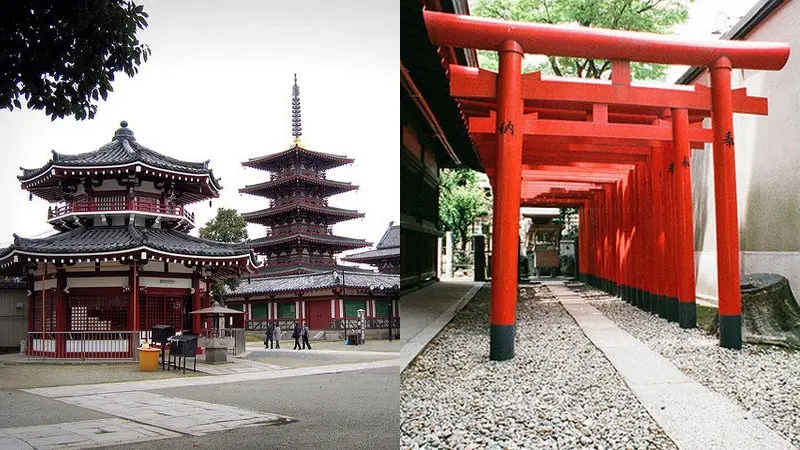
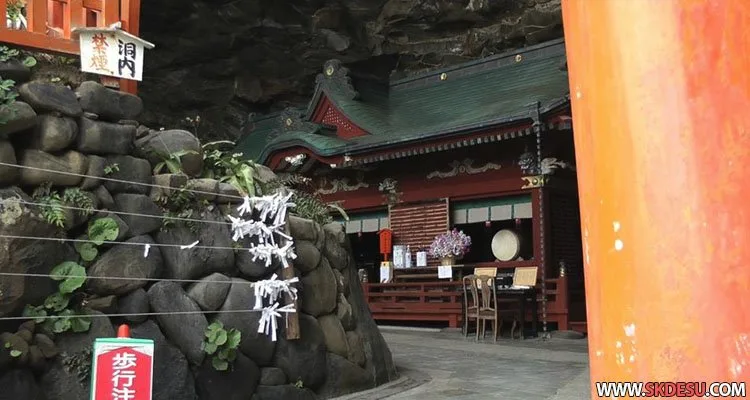
A Shinto shrine is often introduced by a torii gate and may have a purification basin near the entrance. Visitors commonly bow at the gate, cleanse their hands, make an offering and pray at the main hall. A shrine is called jinja (神社) in Japanese.
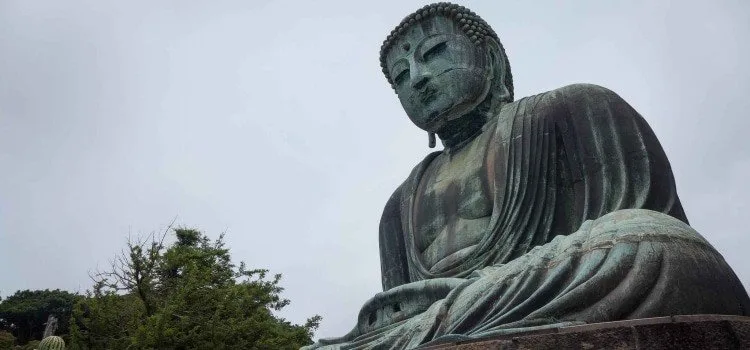
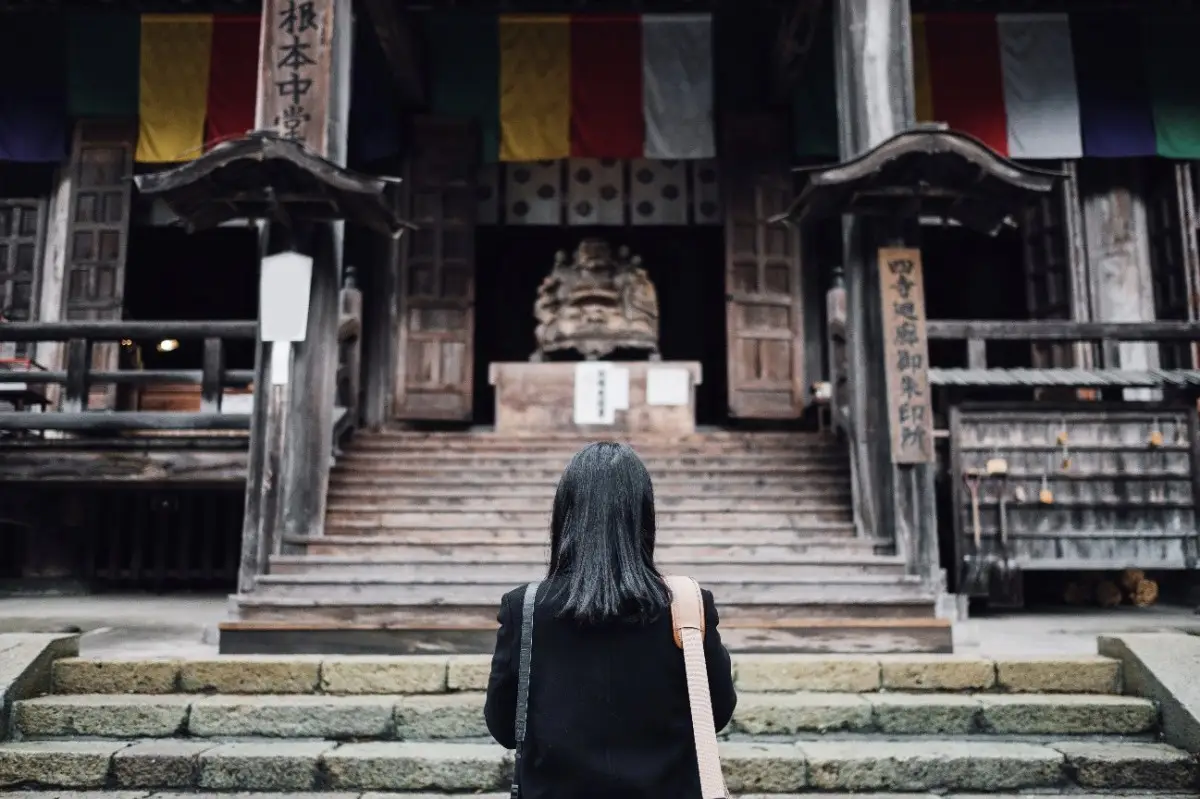
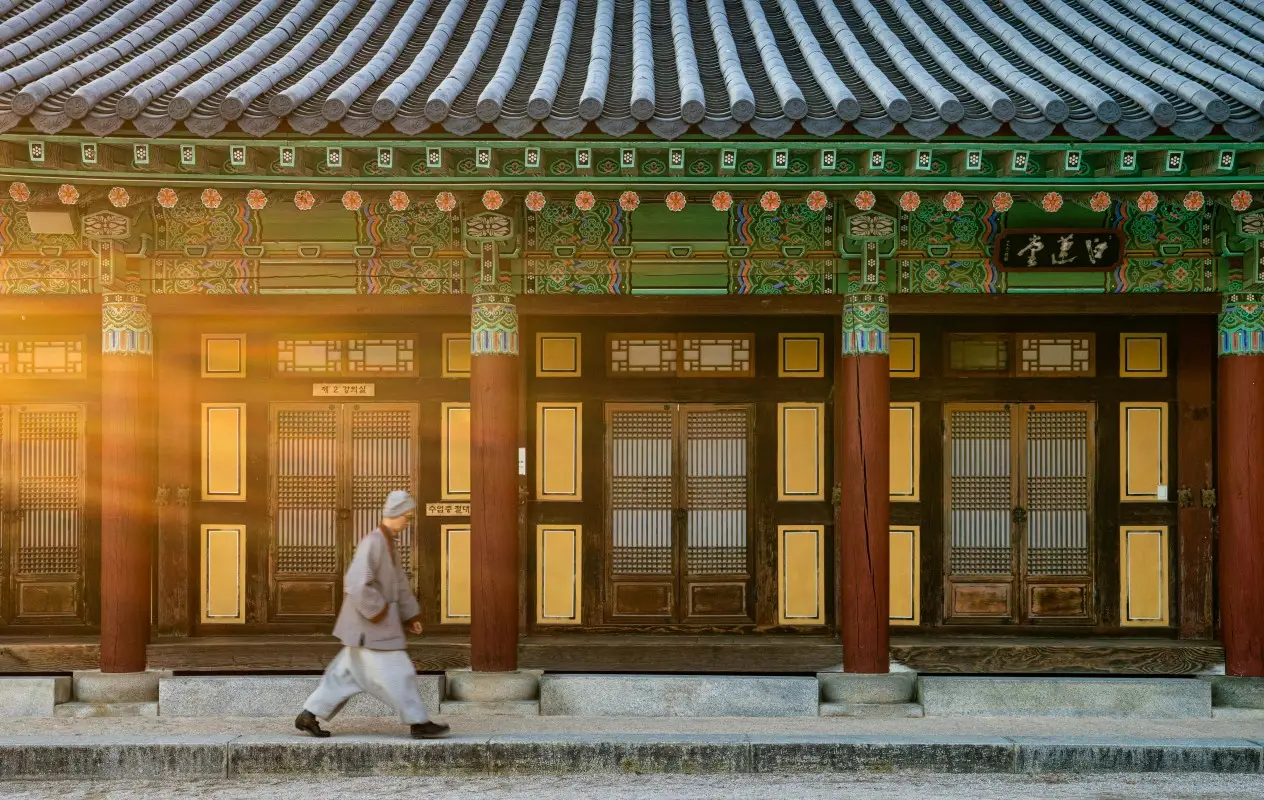
A Buddhist temple, or tera (寺), may have a gate, a bell, statues, a pagoda or a main hall housing Buddhist images. The features vary widely, especially at older sites where the histories of Shinto and Buddhism are intertwined. A torii is a useful clue, not a reason to rush through a place as though it were a checklist.
Religion in ceremonies and seasonal customs
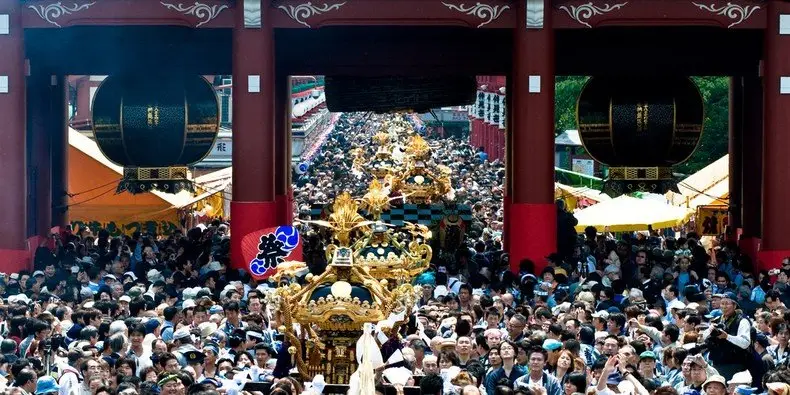
At hatsumōde (初詣), the first shrine or temple visit of the year, people pray for health, safety or a good year ahead. Local matsuri (祭り) often center on a shrine and bring together processions, music, food stalls and neighborhood groups. Buddhist observances, including Obon (お盆), connect families with the memory of ancestors.
These customs are not proof that every participant follows the same doctrine. They show how religious places and rituals can carry family memory, local identity and seasonal rhythm at once. This is also why saying that Japanese people are either religious or not religious rarely gives the full picture.
Christianity and other religions in Japan
Christianity arrived in Japan in 1549 with Francis Xavier. It spread in parts of the country, then faced severe restrictions under the Tokugawa shogunate. Christian communities remained a minority, but their history is especially visible around Nagasaki and in the story of the Hidden Christians, who preserved practices during periods of persecution.
Japan also includes new religious movements, Confucian traditions, Islam, Judaism, Hindu traditions and other communities. Okinawa and the Ryukyu Islands have indigenous beliefs with their own history, while Ainu spiritual traditions belong to the history of Hokkaidō and surrounding regions. They should not be treated as decorative footnotes: each has its own practices and context.
Respectful visits to shrines and temples
Visitors do not need to know every ritual before entering a religious site. Dress and behave respectfully, follow signs, keep voices low where worship is taking place and avoid stepping into restricted areas. At a shrine, watch what is posted near the purification basin or offering hall rather than copying a gesture you do not understand. Photography may be welcome outdoors but restricted inside halls.
When in doubt, a quiet visit is better than a performance. A shrine or temple can be a landmark for travelers, but it is also a living place used by local people.
Common questions about religion in Japan
What is the main religion in Japan?
Shinto and Buddhism are the main traditions. Many Japanese people participate in both, so there is no simple single answer that fits every person or ceremony.
Are shrines Buddhist or Shinto?
Shrines are generally Shinto places of worship. Buddhist places of worship are temples. Historical sites can show traces of both traditions because their histories have long overlapped.
Is religion important in Japan today?
Its role changes from person to person, yet shrines, temples, festivals, weddings, funerals and memorial customs remain meaningful parts of public and family life.
Religion in Japan is therefore best understood through practice as well as belief: a visit to a shrine, a temple bell, a family memorial, a festival route and the care shown to a place held sacred.


Community
Comments
0 comments
There are no published comments in this language yet.
Send comment