
Planning a trip to Japan usually raises the same question: what will the weather be like? The country stretches more than 3,000 kilometres from Hokkaido in the north to Okinawa in the south, so temperatures vary a lot by region and month.
This guide gives an overview of monthly average temperatures in three places: Tokyo, Sapporo and Naha. The figures are rounded approximations for orientation; for current measurements and forecasts, the Japan Meteorological Agency (JMA) is the authoritative source.
Contents 8
Four seasons, several climate zones
Japan lies in the temperate zone and has four clearly defined seasons: winter from December to February, spring from March to May, summer from June to August and autumn from September to November. This applies to most of the country, but not uniformly.
The north has cold, snowy continental winters; central and eastern Japan have hot, humid summers and cold, dry winters; the south is subtropical. On top of that come the rainy season in early summer and typhoons in late summer.
The seasons at a glance
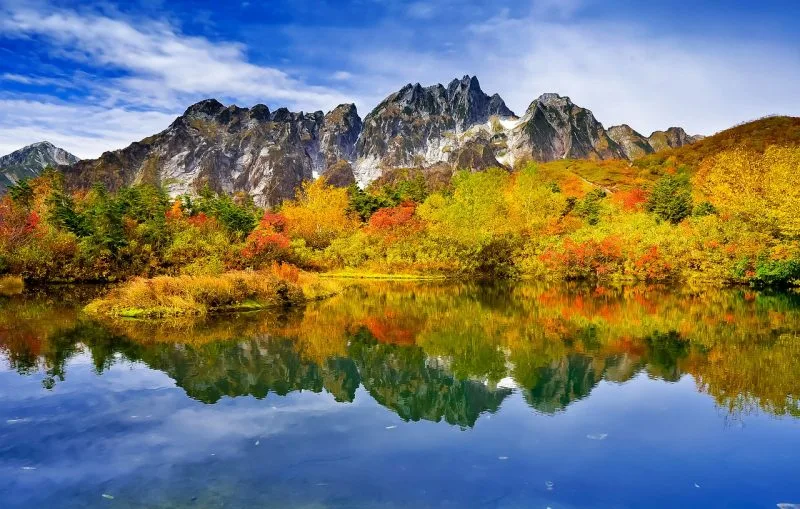
Winter: Tokyo is cool but rarely freezing, while Hokkaido has deep snow and temperatures often below zero. Spring: cherry blossoms move from south to north and temperatures rise slowly. Summer: hot and humid, especially in cities. Autumn: temperatures fall and the leaves turn colour, earlier in the north than in the south.
Temperatures in Tokyo
The values below are approximate monthly averages for Tokyo: average daily mean, typical daily high and low. The «rainy days» column counts days with measurable precipitation and is rounded.
| Month | Mean | High | Low | Rainy days |
|---|---|---|---|---|
| January | 5.2 | 9.5 | 1.2 | 4 |
| February | 5.6 | 9.7 | 1.7 | 6 |
| March | 8.5 | 12.7 | 4.4 | 8 |
| April | 14.1 | 18.3 | 10.0 | 10 |
| May | 18.6 | 22.8 | 14.8 | 9 |
| June | 21.7 | 25.2 | 18.6 | 12 |
| July | 25.2 | 28.8 | 22.3 | 10 |
| August | 27.1 | 30.9 | 24.0 | 8 |
| September | 23.2 | 26.7 | 20.2 | 10 |
| October | 17.6 | 21.2 | 14.2 | 8 |
| November | 12.6 | 16.6 | 8.9 | 6 |
| December | 7.9 | 12.1 | 3.9 | 3 |
The north: Sapporo and Hokkaido
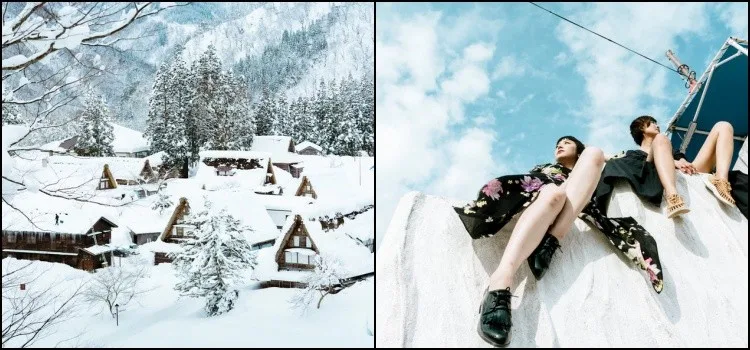
Sapporo shows how varied Japan's climate is: January averages around -4.6 °C, and snow is normal from December to March. Anyone travelling to Hokkaido in winter needs warm clothing and waterproof shoes.
| Month | Mean | High | Low | Rainy days |
|---|---|---|---|---|
| January | -4.6 | -1.1 | -8.4 | 16 |
| February | -4.0 | -0.5 | -8.0 | 14 |
| March | -0.1 | 3.5 | -3.9 | 13 |
| April | 6.4 | 11.1 | 2.2 | 8 |
| May | 12.0 | 17.3 | 7.4 | 8 |
| June | 16.1 | 21.2 | 12.0 | 7 |
| July | 20.2 | 24.8 | 16.6 | 8 |
| August | 21.7 | 26.1 | 18.2 | 9 |
| September | 17.2 | 21.8 | 12.9 | 10 |
| October | 10.8 | 15.7 | 6.0 | 12 |
| November | 4.3 | 8.2 | 0.5 | 12 |
| December | -1.4 | 2.0 | -4.9 | 15 |
The south: Naha and Okinawa
In Naha, Okinawa, January averages around 16 °C, much milder than Tokyo, and daytime temperatures of 18 to 19 °C are common in winter. Summers are long, hot and humid, and typhoon season runs roughly from June to October.
| Month | Mean | High | Low | Rainy days |
|---|---|---|---|---|
| January | 16.0 | 18.6 | 13.6 | 10 |
| February | 16.3 | 19.0 | 13.9 | 10 |
| March | 18.1 | 20.8 | 15.6 | 11 |
| April | 21.1 | 23.9 | 18.6 | 9 |
| May | 23.8 | 26.5 | 21.5 | 11 |
| June | 26.2 | 28.8 | 24.2 | 11 |
| July | 28.3 | 31.1 | 26.1 | 9 |
| August | 28.1 | 30.7 | 25.8 | 13 |
| September | 27.2 | 29.9 | 25.0 | 10 |
| October | 24.5 | 27.2 | 22.3 | 8 |
| November | 21.4 | 24.0 | 19.1 | 8 |
| December | 18.0 | 20.6 | 15.7 | 9 |
Rainy season, typhoons and extremes
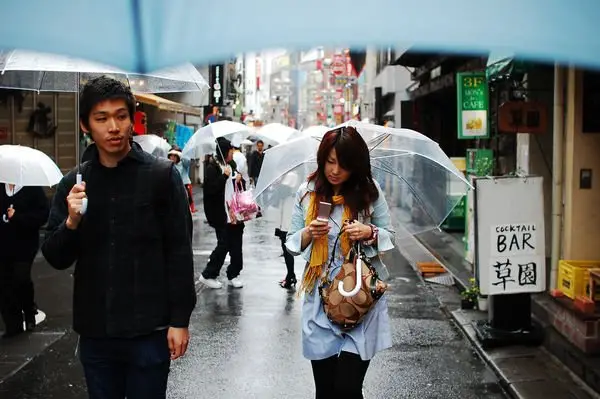
From mid-June to mid-July the rainy season (tsuyu) brings heavy rainfall, especially in western and eastern Japan. In late summer and autumn, typhoons can bring severe rain and wind, so travel plans should stay flexible.
Individual days can differ sharply from averages: Tokyo regularly sees days above 35 °C in summer, and Hokkaido can drop below -15 °C in winter. The tables are not a substitute for a weather forecast.
Best time to travel, month by month
For mild temperatures and less rain, April, May, October and November are good choices. Spring is popular for cherry blossoms and autumn for the foliage, so both are busy. July and August are hot and humid but full of festivals. If you want snow, travel to Hokkaido in January or February.
For city trips to Tokyo, Kyoto and Osaka, spring and autumn are the most comfortable. For beaches and southern islands, spring or autumn works better, because the summer months are very humid and exposed to typhoons.
Conclusion
Japan does not have one climate: temperatures depend heavily on region and season. Knowing the monthly averages helps you plan routes and clothing, but current forecasts are what matter for a specific trip.
For more, read about Japanese seasons, the best season to visit Japan, the 8 regions of Japan and Okinawa. For the language of weather, see seasons, weather and climate in Japanese.


Community
Comments
0 comments
There are no published comments in this language yet.
Send comment