
Hoikoro is an irresistible combination of pork, cabbage, and miso, cooked and sautéed until achieving a perfect balance between juiciness and intensity. This dish, which originated from the fusion of Chinese techniques and Japanese ingredients, has found a place on family tables and in Izakaya, being one of the most beloved options for those seeking a quick, tasty, and nutritious meal.
Have you ever wondered why dishes like Hoikoro can be so comforting and, at the same time, so striking? The answer lies in the combination of umami from the miso with the tender texture of the pork and the light crunch of the cabbage. Throughout this article, we will explore the origin of Hoi Ko Ro, its evolution in Japanese cuisine, and, of course, teach you how to prepare this delight at home with valuable tips to ensure the best result.
Contents 5
The origin of Hoikoro: from China to Japan
The Hoikoro, written as 回鍋肉 in Japanese kanji, is an adaptation of the Chinese dish huí guō ròu, which literally means “pork returned to the pan.” Its origin dates back to Sichuan province in China, famous for its robust flavors, marked spiciness, and abundant use of fermented ingredients.
When this dish arrived in Japan, it was softened to suit the local palate. While the original Chinese version uses fermented bean paste (doubanjiang) and spicy peppers, the Japanese adopted miso — fermented soybean paste — as the base of the sauce. This adjustment brought a sweeter and less spicy touch, while still preserving the essence of the dish: tender pork, fresh cabbage, and a thick sauce that envelops all the ingredients.
Today, Hoikoro is one of the most popular dishes in teishoku restaurants (set meals) and also a recurring choice in home-cooked meals, thanks to its practicality and the affordable cost of ingredients.
Essential ingredients and possible substitutions
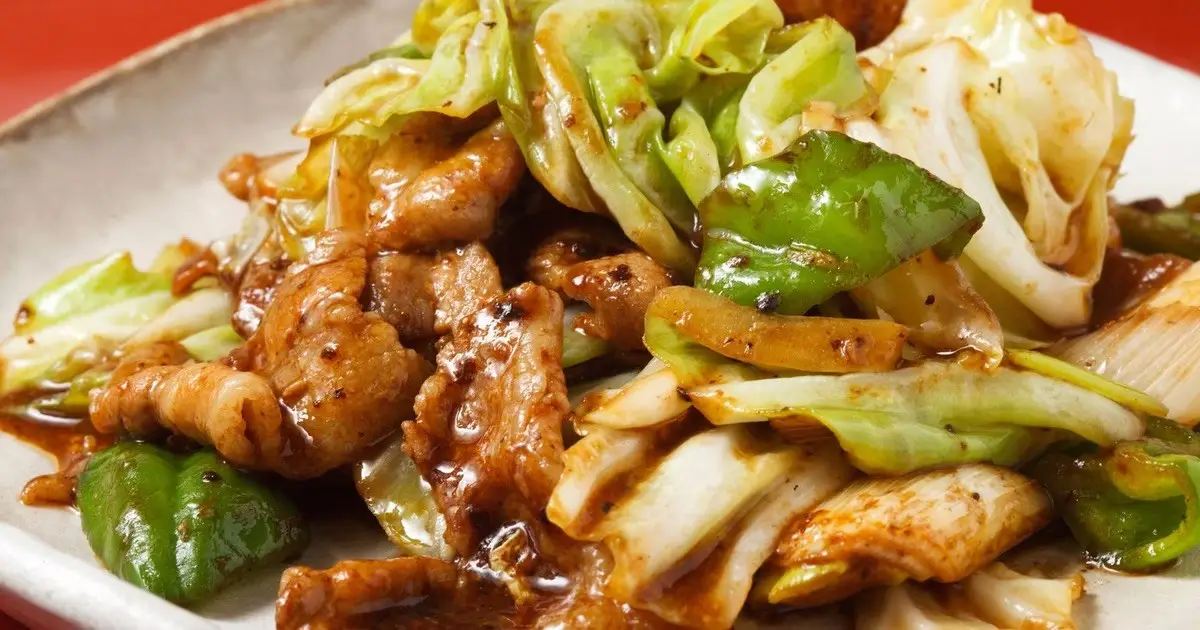
The preparation of Hoikoro requires few ingredients, but each plays a fundamental role in building flavors and textures. Pork is the main element — traditionally, belly or loin is used, due to the balance between fat and lean meat.
The cabbage serves as a crunchy and slightly sweet counterpoint, in addition to absorbing the miso-based sauce very well. Interestingly, despite seeming simple, choosing a good cabbage can make a difference: opt for the firmer and fresher ones, which do not wilt easily during cooking.
The other ingredients are equally important:
- Miso: adds depth and umami to the dish. Red miso (akamiso) is the most recommended, but white miso (shiromiso) can be used for a milder version.
- Shoyu: enhances the saltiness and complements the flavor of the miso.
- Sake and mirin: add a touch of sweetness and help balance the dish.
- Sesame oil: for finishing, offering a characteristic aroma.
If you want to vary, you can add bell peppers or thinly sliced carrots, but traditional Hoikoro focuses on the essentials: meat, cabbage, and sauce.
How to prepare Hoikoro: practical step-by-step
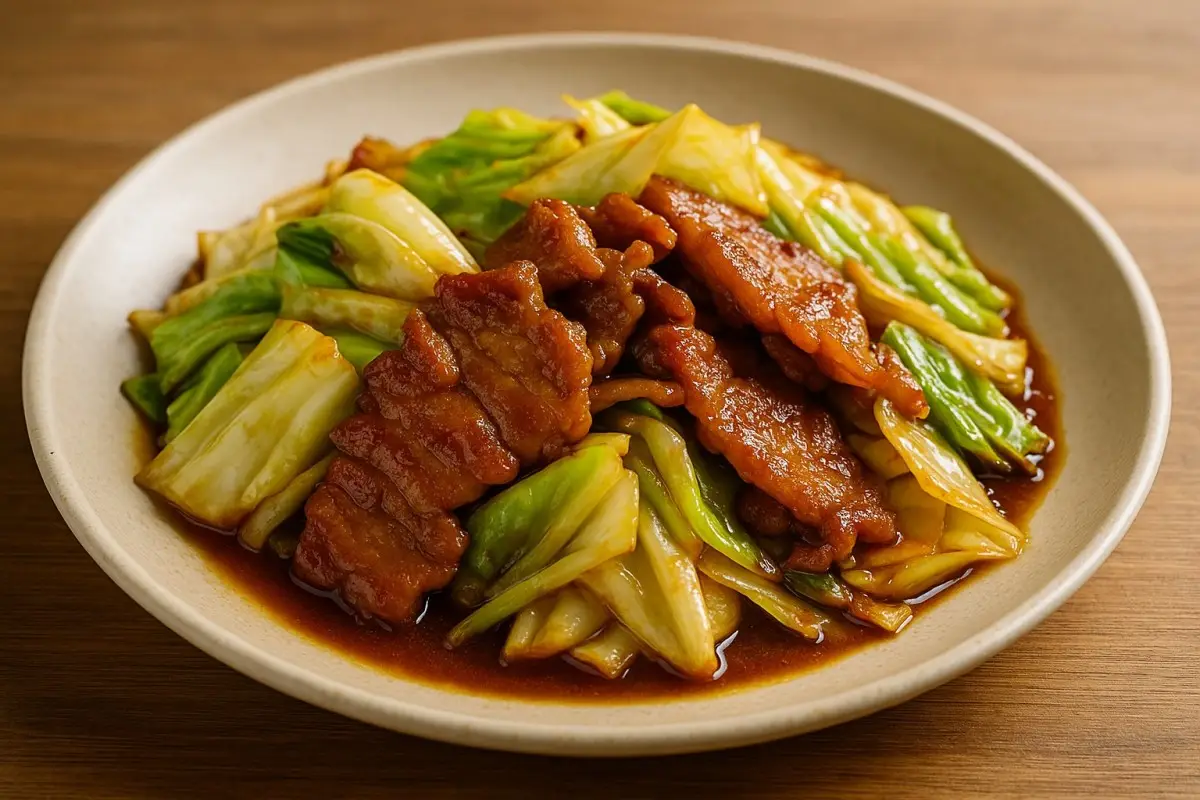
Preparing Hoikoro is simpler than it seems, and the result is a dish worthy of the best restaurants. Here is a straightforward guide for you to try at home.
Ingredients:
- 300g of sliced pork belly or loin
- ½ medium cabbage cut into large pieces
- 1 tablespoon of miso
- 1 tablespoon of shoyu
- 1 tablespoon of sake
- 1 tablespoon of mirin
- 1 clove of minced garlic
- 1 teaspoon of sesame oil
- Vegetable oil for frying
Preparation method:
- Mix the miso, shoyu, sake, and mirin in a bowl, forming a thick and aromatic sauce.
- Heat some vegetable oil in a large skillet or wok. Quickly fry the slices of pork until golden.
- Add the minced garlic and sauté for another minute, being careful not to burn it.
- Add the cabbage and sauté until slightly wilted, preserving some crunch.
- Add the sauce, mixing well to coat all the ingredients. Let it cook for 2 to 3 minutes, until the sauce thickens and caramelizes slightly.
- Finish with the sesame oil and serve immediately, accompanied by white rice.
This preparation values speed and intense heat, keeping the cabbage vibrant and the meat tender. You will notice how the aroma of miso with sesame oil transforms the kitchen into a festival of irresistible smells!
Tips for an even tastier Hoikoro
Want to elevate the flavor of your Hoikoro even more? Here are some practical tips:
- Use quality meat, with good marbling of fat, which translates to more flavor and juiciness.
- Do not overcook the cabbage; the secret is to maintain a firm texture that contrasts with the tenderness of the meat.
- Try adding a pinch of brown sugar to the sauce if you want a slight sweet touch.
- For those who enjoy spiciness, a small amount of doubanjiang or black pepper can be incorporated without altering the dish's character.
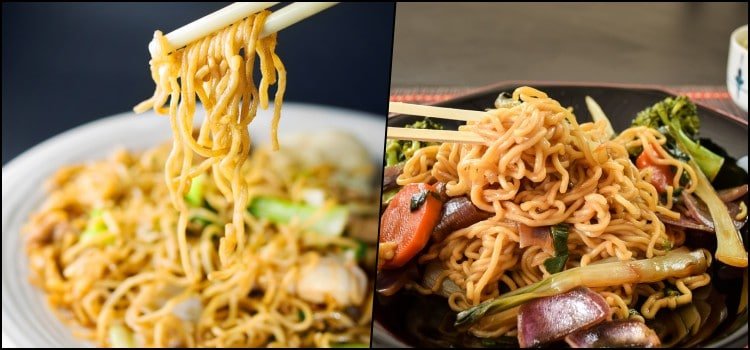
Have you noticed how these small choices can completely change the result? This is part of the charm of Hoikoro: simple in essence, but full of possibilities. There is even a Ramen that bears the name Hoikoro, taking advantage of the ingredients and characteristics of the original dish.

Why has Hoikoro become so popular?
In addition to its striking flavor, Hoikoro has gained popularity for being practical, nutritious, and easily adaptable to different dietary preferences. Its combination of protein, vegetables, and robust sauce makes it a complete meal, perfect for everyday life.
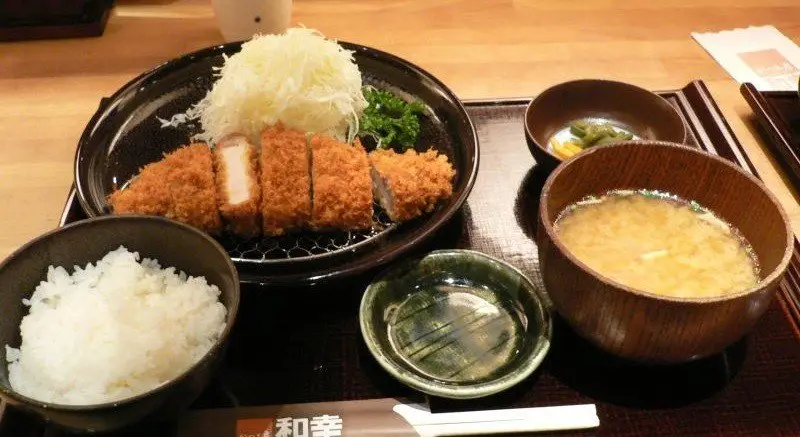
Another factor contributing to its popularity is its strong presence on Japanese restaurant menus around the world. Many establishments offer Hoikoro as part of combos, accompanied by rice and miso soup, winning over those looking for a hearty and comforting meal.
So, how about preparing a Hoikoro today? In addition to enjoying a delicious dish, you will also experience a bit of the history of the culinary fusion between China and Japan, which resulted in this recipe full of personality.


Community
Comments
0 comments
There are no published comments in this language yet.
Send comment