
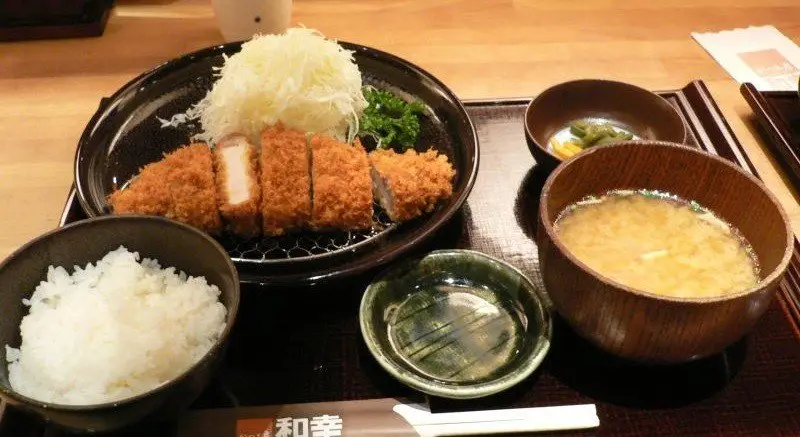
Tonkatsu (豚カツ) is an iconic dish of Japanese cuisine, widely appreciated for its crispy texture and juicy flavor. Composed of a breaded and fried pork cutlet, this dish is a perfect combination of tradition and Western inspiration. Sliced into easy-to-eat pieces, tonkatsu is usually served with fresh sliced cabbage, white rice, and a comforting miso soup, creating a harmonious meal that pleases both the eyes and the palate.
Although today it is a symbol of Japanese cuisine, tonkatsu has an interesting origin that dates back to the late 19th century. Influenced by Western cuisine, the dish initially emerged as a Japanese adaptation of European breaded meat recipes. Since then, tonkatsu has evolved to become an essential part of the Japanese menu, with its own characteristic sauce and a variety of variations.

Contents 12
The Origin and Evolution of Tonkatsu
The Emergence in the Meiji Era
Tonkatsu was born during the Meiji Era (1868-1912), a period when Japan opened its doors to the West and incorporated foreign influences into its culture and gastronomy. Originally called “katsuretsu” (cutlet), the initial version was made with beef. The preparation involved a thin layer of breading to retain the meat's juices, and this technique was quickly adapted for pork, a more accessible ingredient that offered a different and captivating flavor.
The first version of tonkatsu made with pork is said to have been served in a Western-style restaurant in Ginza, Tokyo, around 1890. The idea of using pork instead of beef reflected the growing popularity of pork in the Japanese diet, especially due to its versatility.
The Transition to "Tonkatsu"
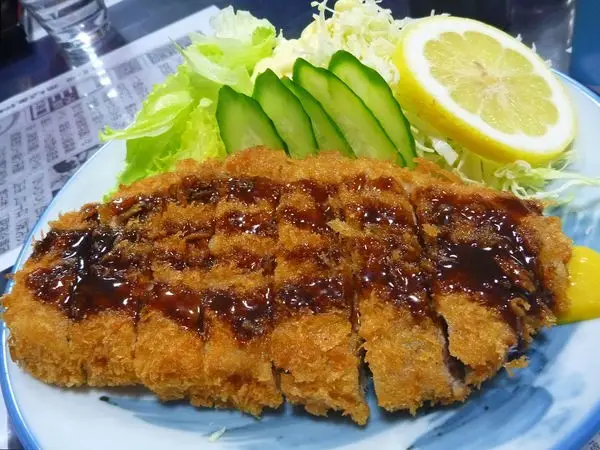
The term "tonkatsu" as we know it today was introduced in the 1930s. The name is a combination of the words “ton” (豚), which means pork, and “katsu,” an abbreviation of "katsuretsu." During this time, the dish gained prominence for its simplicity, but also for the way it harmonized perfectly with classic Japanese accompaniments, such as rice and miso soup.
Panko (パン粉), a coarser Japanese breadcrumb, also plays an important role in the popularity of tonkatsu. It ensures a distinct crunch that does not absorb as much oil, leaving the meat juicy on the inside and incredibly crispy on the outside.
How Tonkatsu is Prepared
Choosing the Meat
To make perfect tonkatsu, the choice of meat is essential. The most popular cuts include loin (rosu) and chop (hire). The loin is a cut with a bit more fat, which makes the dish even more flavorful and juicy. The chop, being leaner, provides a lighter texture. Typically, the thickness of the meat varies between 1 to 2 centimeters, ensuring that the meat cooks evenly during frying.
The Breading and Frying Process
The secret to the crunchiness of tonkatsu lies in the breading technique. The meat is first seasoned with salt and pepper, then lightly coated in flour, dipped in beaten egg, and finally covered with panko. Frying in hot oil at 170-180°C is crucial to achieving the perfect texture. The result is a golden and crispy cutlet that retains its internal juiciness.
To ensure that the tonkatsu remains light and crispy, panko is especially important. Unlike traditional breadcrumbs, panko is airier and creates a crust that does not absorb as much oil. This results in a final dish that is irresistibly crunchy and flavorful.
Variations and Traditional Accompaniments
Katsu Sauce and Sliced Cabbage
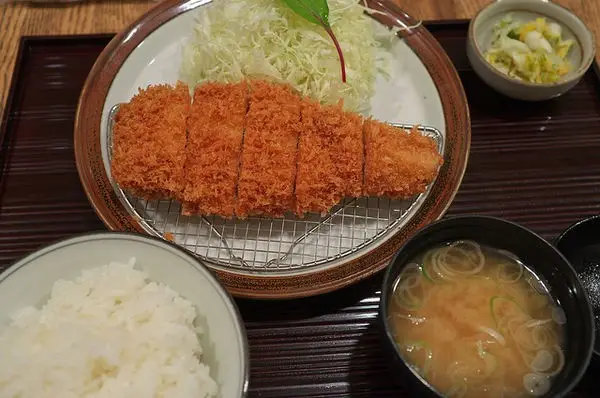
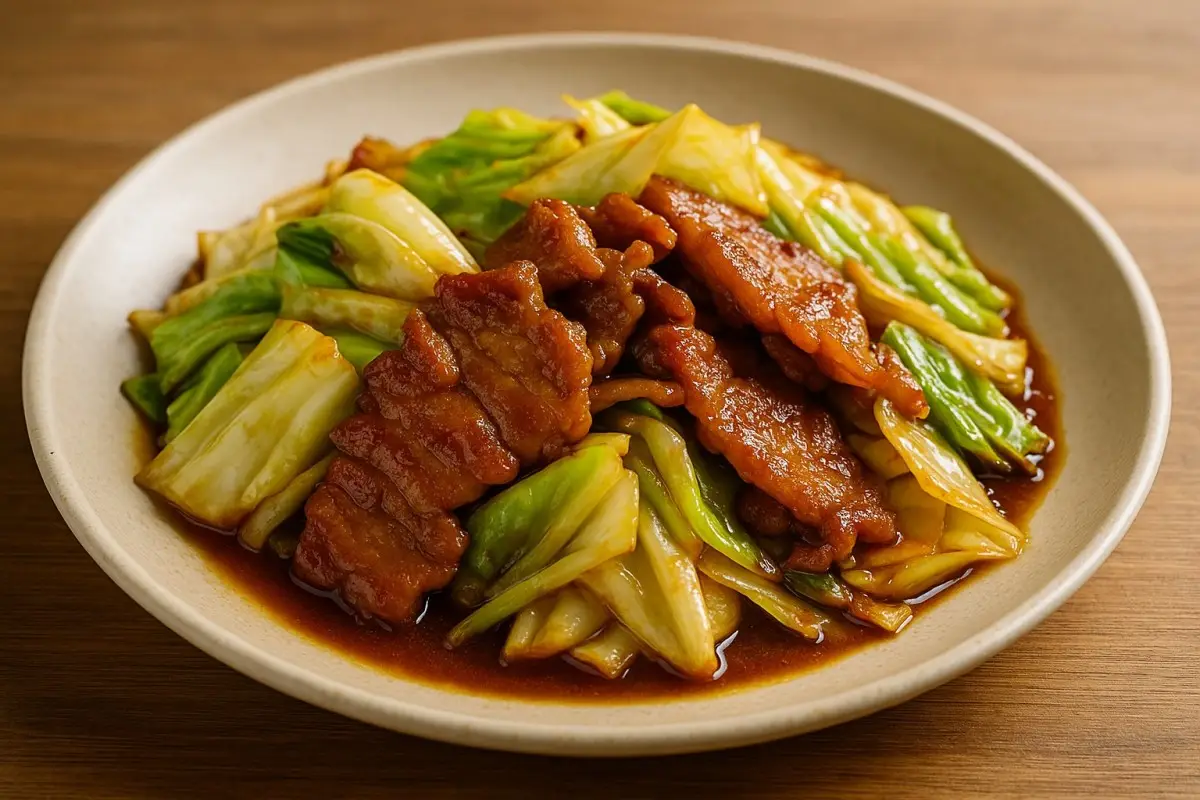
Katsu sauce, a type of thick and slightly sweet sauce, is an essential complement to tonkatsu. It is made from fruits, vegetables, and spices, and can be found in simpler or more elaborate versions. Fresh sliced cabbage, served alongside, helps balance the rich flavor and provides a refreshing texture.
Katsu-don and Other Variations
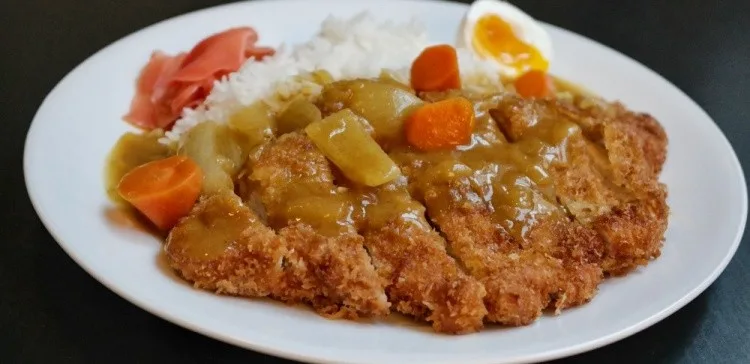
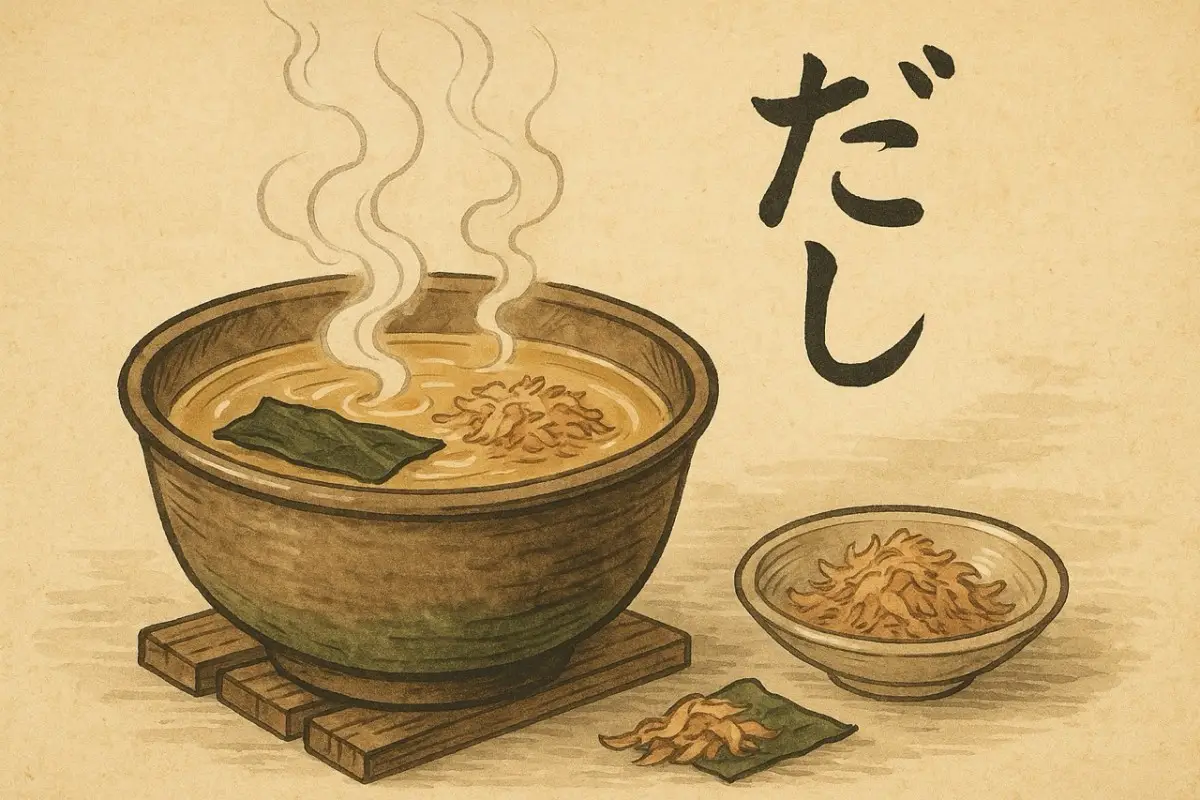
Tonkatsu is also the base for other popular dishes, such as katsu-don. In this dish, the breaded meat is cooked in a dashi broth with onions and egg, and then served over a bed of hot rice. This variation transforms the flavor and texture of tonkatsu into something more comforting and juicy. Other adaptations include the "tonkatsu sando," a tonkatsu sandwich, which is perfect for a quick meal.
The Harmony of Accompaniments
White rice and miso soup (misoshiru) are indispensable in a tonkatsu meal. The rice helps balance the crunchiness and strong flavor of the meat, while the miso soup provides a layer of complexity and comfort to the palate. The combination of these elements transforms tonkatsu into a complete meal that celebrates simplicity and flavor.

Tonkatsu Recipe
Ingredients:
- 1 Loin or chop steak with 1 or 2 centimeters of thickness
- Salt and pepper for seasoning
- One beaten egg for breading
- Wheat flour or cornstarch (optional)
- Panko breadcrumbs
- Finely sliced cabbage
- Tonkatsu sauce
- Oil for frying
Preparation method:
- Season the steaks with salt and black pepper to taste;
- Dip in the beaten egg and then in the wheat flour or cornstarch (This step is optional, but recommended for a drier and crispier fry.)
- Dip in the egg again and then in the panko breadcrumbs, pressing the steak firmly into the breadcrumbs to ensure a generous layer that will give all that desired crunch;
- Fry at a not too high temperature until golden brown;
- Slice and place on a plate;
- Place the cabbage next to the tonkatsu and serve with the sauce;
In Japan, it is quite easy to find ready-made sauces in markets for use in tonkatsu and other dishes, but if you want, you can make a similar sauce for personal use.
Ingredients:
- 4 tablespoons of ketchup
- 1 tablespoon of Worcestershire sauce
- 1 tablespoon of sake
- 1 teaspoon of grated ginger
- 1 teaspoon of crushed garlic
- 1 tablespoon of sugar
Preparation method:
Put everything in a saucepan and heat until thickened, and it's ready. And remember that you can prepare the dish to your liking, in any way you want, always make dishes that please you and your palate.


Community
Comments
0 comments
There are no published comments in this language yet.
Send comment