
Nitamago, also known as ramen eggs or ajitsuke tamago, is one of the most iconic and irresistible accompaniments for those who appreciate a good bowl of ramen. That slightly creamy center, wrapped in a firm and seasoned white, transforms any bowl of noodles into a deeper and more flavorful experience. If you have ever tried this marinated egg, you are certainly curious to know how to prepare it at home, right?
In this article, we will dive into the origin of Nitamago, understand its importance in Japanese cuisine, and of course, unveil the traditional recipe for you to impress the next time you prepare ramen. Additionally, we will share valuable tips to achieve the perfect yolk — that middle ground between creamy and firm, so desired by chefs and enthusiasts of Japanese gastronomy.
Contents 6
Origin and meaning of Nitamago
Before we talk about how to make it, it is interesting to understand the meaning and cultural origin of Nitamago. The word “Nitamago” (煮卵) literally translates to “boiled egg,” but within the context of ramen, it takes on a much more special role: that of flavor intensifier.
Its history is closely linked to the development of ramen in Japan. During the 20th century, as regional styles of ramen became popular, chefs began to include various toppings to highlight the character of each dish. Among them, Nitamago quickly gained prominence not only for its appearance but also for its striking texture and flavor.
Interestingly, not all ramen shops follow the same preparation style. Some prefer to marinate the eggs for long hours, while others opt for a brief soak in the marinade, preserving more of the egg's natural flavor. This diversity creates a sort of personal signature for each chef.

How to achieve the perfect Nitamago
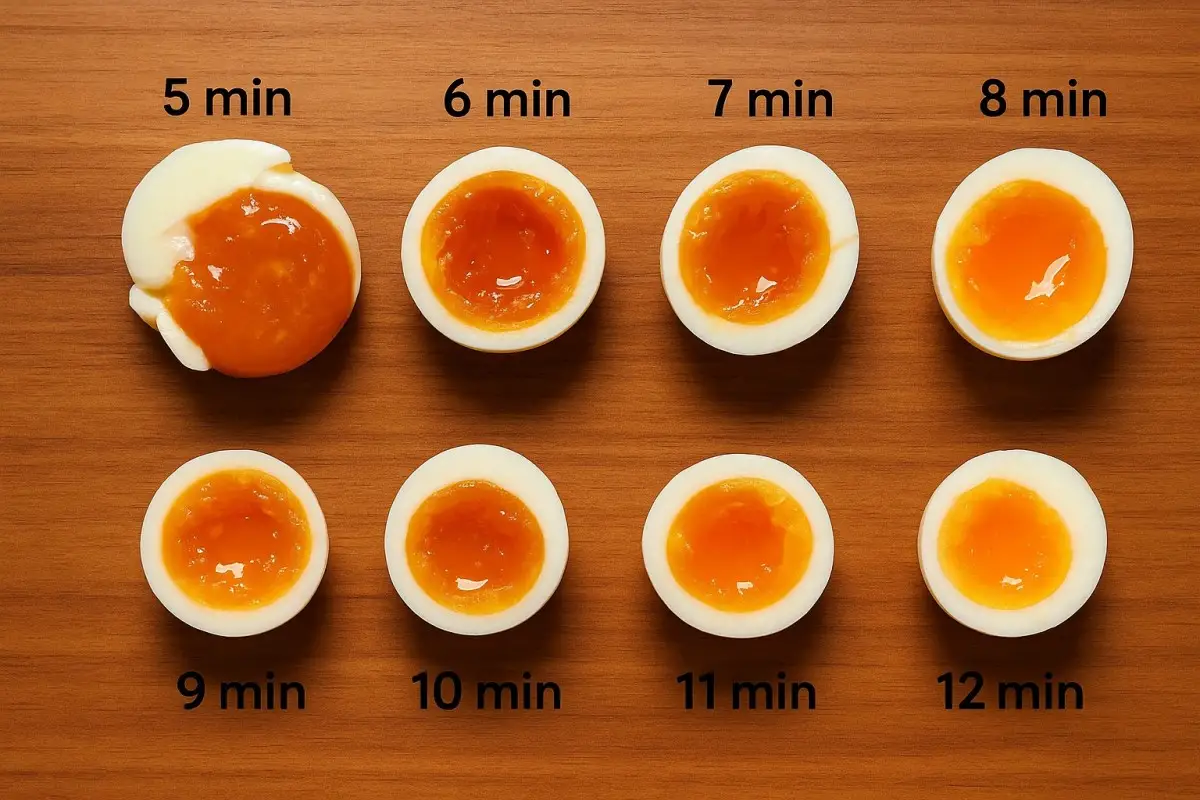
The great challenge in preparing Nitamago lies in the balance between the consistency of the white and the texture of the yolk. Ideally, the white should be firm enough to hold its shape, while the yolk should be slightly creamy but not liquid.
To achieve this result, cooking time is crucial. Generally, the ideal point occurs between 6 to 7 minutes after immersing the egg in boiling water. As soon as the time is up, a thermal shock in cold water prevents further cooking and makes peeling easier.
Have you noticed how Nitamago is perfectly smooth, without those unwanted marks on the white? This impeccable finish comes precisely from the care taken when cooling and peeling. Don’t underestimate this step; it makes all the difference!
Besides cooking, the marinade is another crucial point. The classic combination includes shoyu (soy sauce), mirin (sweet sake), and sometimes a touch of sake or sugar. Each element contributes to creating that characteristic umami flavor, which slowly seeps into the egg during the marinade.
Traditional Nitamago recipe
Now that we have explored the theory, let’s get our hands dirty — or rather, with the eggs! The traditional Nitamago recipe is simple but requires attention to detail. Get ready to transform your ramen dishes with this authentic accompaniment.
Ingredients:
- 4 large eggs
- 100 ml of shoyu
- 100 ml of mirin
- 100 ml of water
- 1 teaspoon of sugar
- Optional: 1 tablespoon of sake
Preparation method:
- Carefully place the eggs in a pot of boiling water. Cook for exactly 6 minutes and 30 seconds for a creamy yolk.
- Immediately after cooking, transfer the eggs to a container with cold water and ice. Let cool for 10 minutes.
- Meanwhile, prepare the marinade: in a pot, mix the shoyu, mirin, water, and sugar. Heat until the sugar dissolves, but do not let it boil.
- After carefully peeling the eggs, place them in a plastic bag or small container, and pour the still warm marinade (not too hot) over them.
- Marinate in the refrigerator for at least 4 hours, ideally overnight, for a more intense flavor.
Tip: turn the eggs occasionally if using a container, ensuring that the entire surface is in contact with the marinade.

How to serve Nitamago with style
Although Nitamago is traditionally served over ramen, cut in half to showcase its silky yolk, it can also be an excellent accompaniment to other dishes. Try adding it to a fresh salad, a simple rice dish, or even as a snack with a bit of toasted sesame on top.
Another interesting suggestion is to use it in bentos (Japanese lunch boxes). Its beautiful appearance and striking flavor make it a perfect addition, elevating even the simplest meals.
Have you ever wondered how some chefs achieve that deeper flavor in Nitamago? Many add extra ingredients to the marinade, such as kombu seaweed or dried bonito flakes (katsuobushi), creating an additional layer of umami. It’s worth testing and adjusting according to your palate.
See also: Why do Japanese people eat raw eggs? Is it safe?
Curiosities about Nitamago
Although today it is an almost mandatory item in ramen, Nitamago has not always been so popular. Its rise accompanies the appreciation of ramen as a gourmet dish, especially since the 1990s, when chefs began to refine each component of the dish, transforming what was once a simple and cheap food into a true delicacy.
Furthermore, in Japanese culture, the aesthetics of the dish are almost as important as the flavor. Therefore, the perfect cut of Nitamago, which reveals that shiny and uniform yolk, is a demonstration of technique and respect for the ingredient.
And we cannot forget an interesting detail: Nitamago is not exclusively Japanese. Variations of marinated eggs appear in various Asian cuisines, such as Chinese lu dan, although with marked differences in flavor and marinating time.

Transform your ramen
Including Nitamago in your homemade ramen is one of those gestures that demonstrate care and attention to detail. It’s not just about adding another ingredient, but enriching the texture, flavor, and presentation of the dish.
Now that you know the history, the recipe, and the curiosities about this classic, how about putting all of this into practice? Cook your own eggs, adjust the marinade to your taste, and discover how Nitamago can transform even the simplest ramen into a true feast.





Community
Comments
0 comments
There are no published comments in this language yet.
Send comment