

When we talk about "yes" in the Japanese language, "hai" [はい] automatically comes to mind. But did you know that there are different ways to say "yes" in Japanese? In this article, we decided to make a complete list of common ways to "confirm something that was said" in the Japanese language. We hope to expand your mind and perspective on the 20 ways to express "yes" in Japanese.
The "hai" [はい] that we learn when starting Japanese studies is a very limited term, and its use may not make sense in various situations. It is essential to learn other ways to say "yes" in Japanese if you want to expand your vocabulary and have more genuine conversations without repetition.
Contents 26
うん (Un)
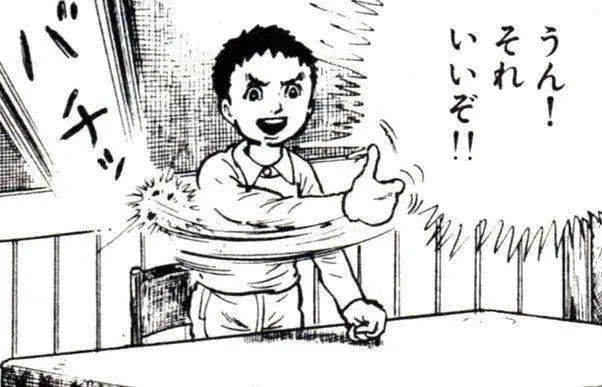
If you are in more casual conversations with Japanese people, you will notice that they often use うん (Un), and it really conveys the idea of: Yeah, uh-huh, yes, that.
When you want to express to the Japanese person that you agree with what was said or that it really is what was asked before, you can use [うん], but be careful as the intonation can mean a question.
Your tone can also convey a sense of uncertainty when using [うん]. You can also use "Unun" [うんうん] for confirmation, but the intonation may sound like a "No" instead of a yes.
Example sentences
うん、かまわないよ
Un, kamawanai yo
Yes, I don't mind
うん、ちょっと。
Un, Chotto
Yes, a little
うん、もちろん。
Un, Mochiron
ええ ( Ee )
Just like in the previous example, it means: Yes, that, uh-huh, that's correct.
To make it clearer, let's see this interjection used in a sentence.
The sentence is: Yes, I saw.
ええ、見ました。
Ee, mimashita
As we mentioned in the previous example, this ええ (Ee) can carry a sense of doubt about something depending on the context in which it is seen, like a: "Huh?"
はい (Hai)
The famous Hai, a very polite way to say yes, a way to say yes without sometimes seeming disrespectful to whom you are speaking. The main meanings are: Yes, that's it, correct, I understand, ok, that's correct.
As we noticed in the previous examples, these confirmation words sometimes have the sense of questioning or doubt, meaning it can also imply: Excuse me? What was that? Could you say it again?
In this sense, it is important to notice during speech that it has a rising intonation (Ha/i?). But to reinforce the idea of yes that we are learning in this article, let's see an example sentence.
新しい法規に賛成の人は『はい』と答えてください。
Atarashii houuki ni sansei no hito wa hai to kotaetekudasai
Anyone in favor of the new legislation please respond yes.
左様 (Sayou)
Another interesting interjection to learn is さよう (Sayou). Although it is written in Kanji in the title, when さよう (Sayou) means: Yes, that's it, exactly, that's correct.
In this sense, it is generally used in Kana, which are those rounder letters without many strokes.

オッケー / オーケー (Okkee/ookee)
The オッケー (Okkee) in Katakana means: "Ok, okay" in English. It is a global confirmation that all languages know. See below an example sentence:
ペン, 貸してもらえる? オーケー
Pen, kashitemoraeru? Ookee
Could you lend me the pen? Sure.
もちろん (Mochiron)
The もちろん is an adverb usually written in Kana, and the idea it conveys is a more robust confirmation about a fact, for example: Of course, naturally, certainly. See the example below:
消しゴム借りてもいい? もちろん!
Keshigomu karitemoii Mochiron
Can I borrow your eraser? Of course! / Yes!
Variations
- もちろんです (mochiron desu): More emphatic version of "Mochiron", similar to "of course".
- もちろんだよ (mochiron da yo) - An informal version, often used among friends.
いいですよ (Iidesu)
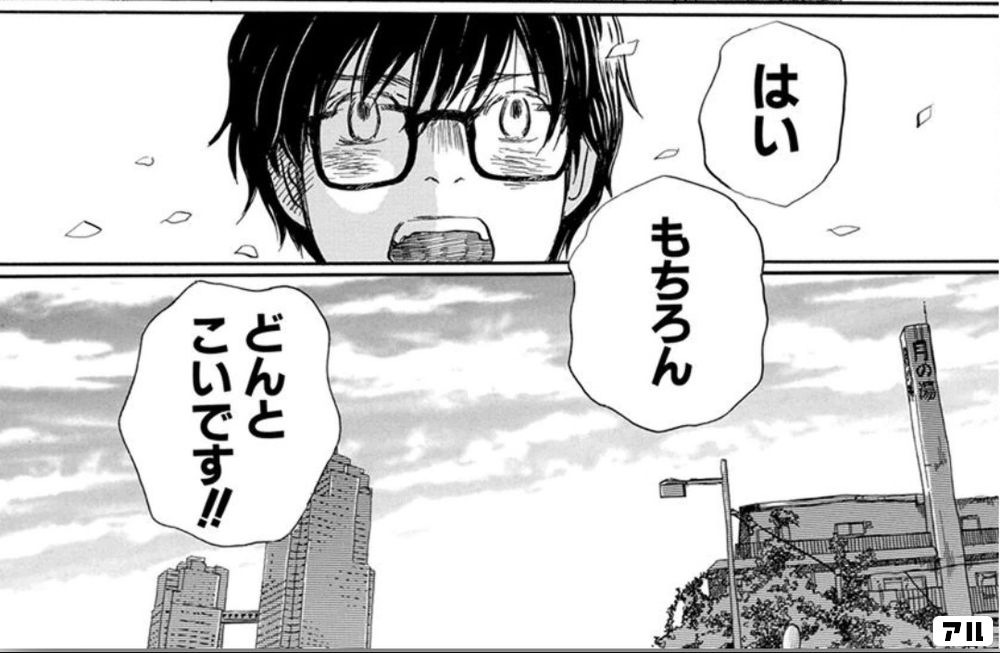
When you want to allow someone to do something or show that you don't mind their action or that fact, you generally use いいです (Iidesu), which conveys the idea of: Ok, fine, no problem.
It can be used to accept a request, agree with a suggestion, or give permission.
Variations of いいですよ
See below other variations similar to [いい]
いいよ (iiyo)
This is an informal way. In this context, be careful not to be misunderstood by extending the (い) or putting a strong intonation, as it may sound like: I don't need to.
いいっすよ (Īssuyo)
The expression いいっすよ (Īssuyo) is an informal and casual variation of いいですよ (Ī desu yo), which means "It's fine" or "No problem" in Japanese. It is usually used by friends and family.
いいです (Ī desu)
A slightly shorter and less emphatic form than いいですよ, but still polite.
いい (Ī)
Very informal, used among close friends or family.
Example sentences
あ、いいですよ。どうぞ
a, ii desuyo. Douzo
ぜひ (Zehi)
When you need to give certainty to your speech about something, and express that there is no shadow of a doubt, you can use ぜひ (Zehi), meaning: Certainly, without fail, without error, of course.
The sentence is: Can I bring my friends? Of course / Without a doubt.
友達を誘ってもいいですか?
ぜひ!
Tomodachi o sasotte mo īdesu ka?
Zehi !
当然 (Touzen)
Touzen carries the idea of: Naturally, of course, without a doubt, certainly.
To reinforce its meaning, let's observe it in a sentence.
The sentence is: Are you going to the party today? Of course!
今日パーティーに行ってもいい?
当然さ!

Kyō pātī ni itte mo ī?
Tōzen sa!
そう (Sou)
Sou has the idea of: That, this way, something like that. It is also used to express agreement with what was said earlier, and can also express some doubt about what was previously said.
The following sentences can be understood as:
- Really?
- That's right.
- Is it?! (Rhetorically)
 そう ?
sou?

そう、そう
sou, sou

そうか
Souka
それな (Sorena)
A very colloquial expression used among Japanese people, but often not taught is それな (Sorena). When you want to say something like: Right, that's true, it's really like that, it's exactly like that.

そうです (Soudesu)
We previously learned そう (Sou), but it is important to emphasize that it is a somewhat informal way; in more polite language, そうです (Soudesu) is used. Let's see an example:
そうですよ
Soudesuyo
That's right!
そんな感じ (Son'na Kanji)
Another little-taught way is そんな感じ (Son'na Kanji), although it is found more in informal language, it conveys the meaning of: something like this, in this vibe, in this style. In other words, you use it to corroborate to the person who stated something earlier that it is: something like that, that they are on the right track of reasoning.
わたしが、やります。( Watashi ga , yarimasu)
Stepping a bit away from this line of affirmations, let's see the confirmation of actions, that is, when you want to say: I will do it, I will.
The sentence is: I will do it.
わたしが、やります。
りょうかいです (Ryoukai desu)
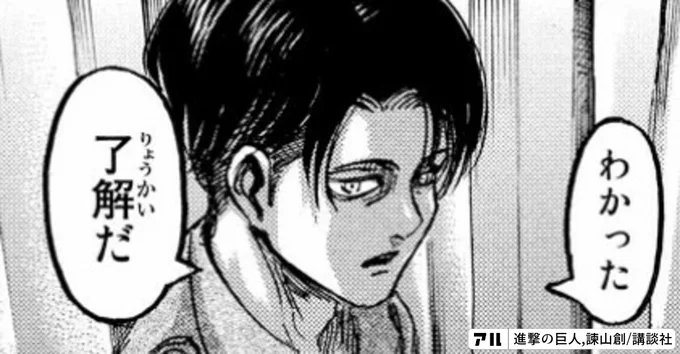
A very formal and serious way to affirm something in Japanese, often used by the military to confirm what was heard before, like: noted!
So you can understand Ryoukai desu as: Ok, understood, affirmative, consented, noted.
Other ways to use Ryoukai:
- 了解しました (Ryōkai shimashita): More formal version of "Ryōkai".
- 了解 (Ryōkai): Similar to "ok" or "understood", used in informal contexts.
かしこまりました (Kashikomarimashita)
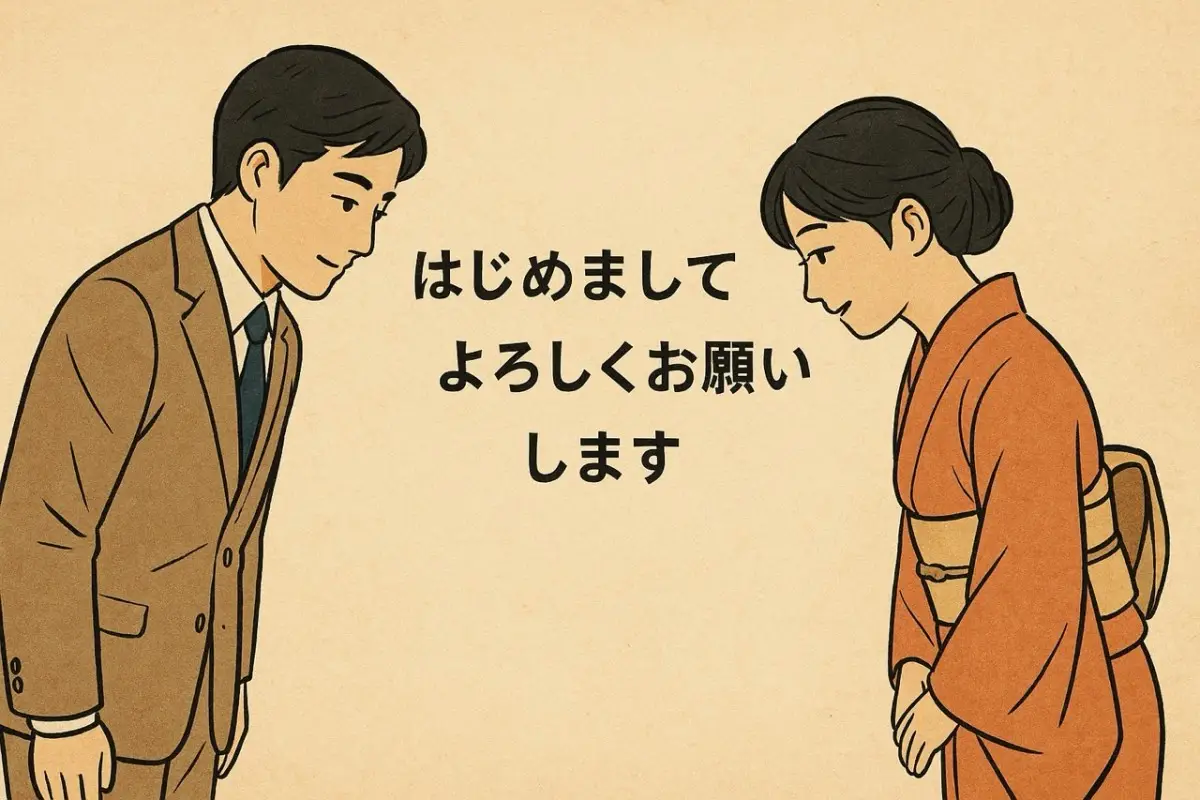
The Kashikomarimashita is a super polite way to say: understood, ok, noted, or right.
Often used to affirm to superiors that the message was received and understood.
- かしこまりました承知しました (Kashikomarimashita Shōchi shimashita): Extremely formal expression to show total agreement and willingness to follow instructions.
- はい、かしこまりました (Hai, kashikomarimashita): Combination of "Hai" and "Kashikomarimashita," used to show formal agreement.
それでも構いません (Soredemo Kaimasen)
Soredemo kaimasen can be interpreted as: I'm fine with it, despite that I'm okay, in any case, okay. It is important to emphasize that Kaimasen often appears alone, and in this sense, it means: no problem, I'm okay with it, I don't mind if.
Variations
Other ways to say "Yes"
To complete the 25 ways to say "yes" in Japanese, we share below a list of other expressions in a more summarized form. We appreciate it if you can share our article!
Informal expressions:
- まぁ (Maa): Informal expression to indicate agreement or resignation.
- そっちですね (Sotchidesu ne): Literally "that's it," used to agree with something that was said.
- なるほど (Naruhodo): Expression to indicate understanding.
- はいはい (Haihai): Informal expression to indicate repeated agreement.
More emphatic expressions
- 喜んで (Kōnde): Means "with pleasure," used to show enthusiasm in agreeing with something.
- 絶対です (Zettai desu): Means "absolutely," used to emphasize agreement.
- 問題ありません (Mondai arimasen): Means "no problem," used to agree with a request.
Other ways
- はい、そうです (Hai, sōdesu): Complete affirmation that something is true.
- そうですとも (Sōdesu tomo): Similar to "Hai, sōdesu," but with additional emphasis.
- へい (Hei): Informal expression to respond to a call or to indicate agreement.






Community
Comments
0 comments
There are no published comments in this language yet.
Send comment