
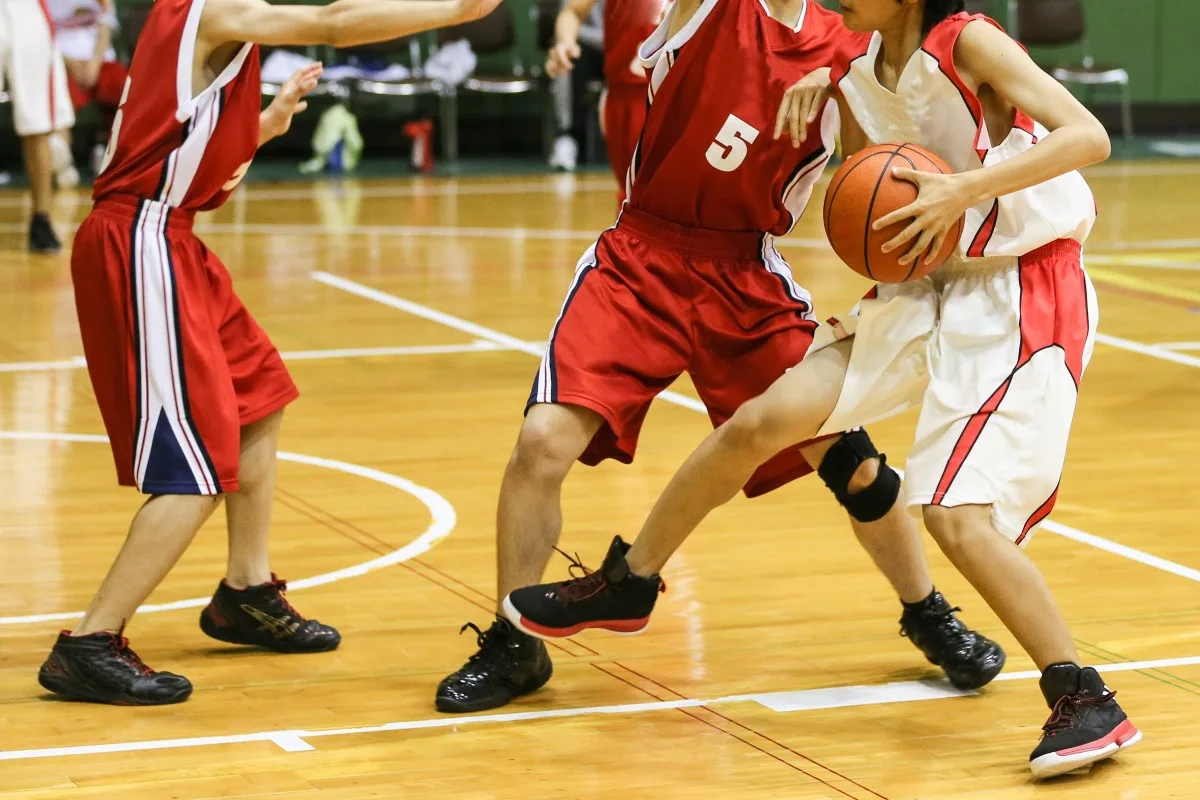
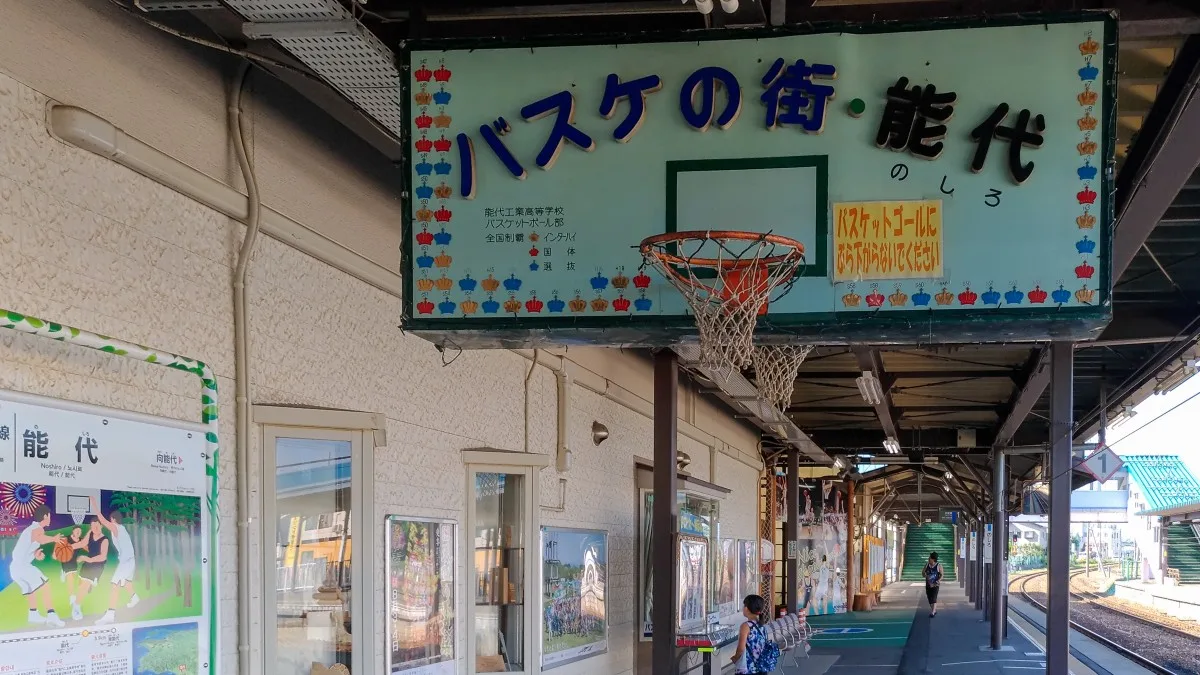
Basketball sits behind baseball and football in the Japanese sporting hierarchy, yet it has built a following that reaches from school gyms to professional arenas and the NBA.
The story behind that growth begins in the 1990s, with a manga artist and a fictional high school team from Shōnan.
Contents 6
Japan and Basketball: How It All Started
Japan's relationship with the sport was built over many decades. The road to today's popularity runs from a manga artist in the 1990s to Japanese players in the NBA, and several factors shaped it along the way:
- Japan hosting the Basketball World Championship in 2006;
- Japanese players reaching the NBA;
- the creation of national competitions such as the B.League.
Each of those factors deserves a closer look.
Takehiko Inoue, the Manga Artist
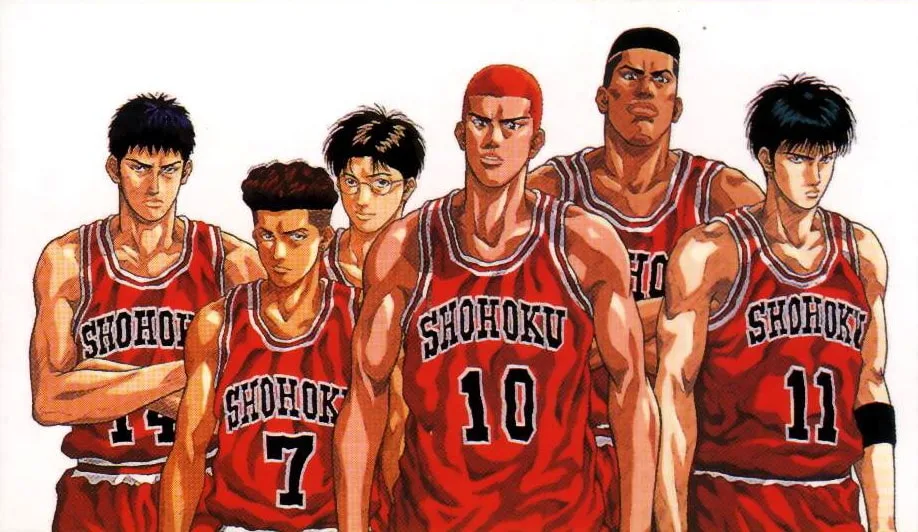
Takehiko Inoue is the name most often linked to the rise of basketball in Japan, even though he was not an athlete. Everything began in the early 1990s, when the artist created a manga about the game.
Called Slam Dunk, the series followed a high school basketball team and ran in Weekly Shōnen Jump from 1990 to 1996. It became a phenomenon: the manga has 185 million copies in circulation, and it is frequently cited as the turning point that popularized basketball among Japanese youth. The number of boys playing high school basketball reached a record high of more than 113,000 in 1995. The influence continues more than 30 years later: in 2022, Inoue wrote and directed The First Slam Dunk, a film that grossed $279 million worldwide and became the highest-grossing basketball movie ever made.
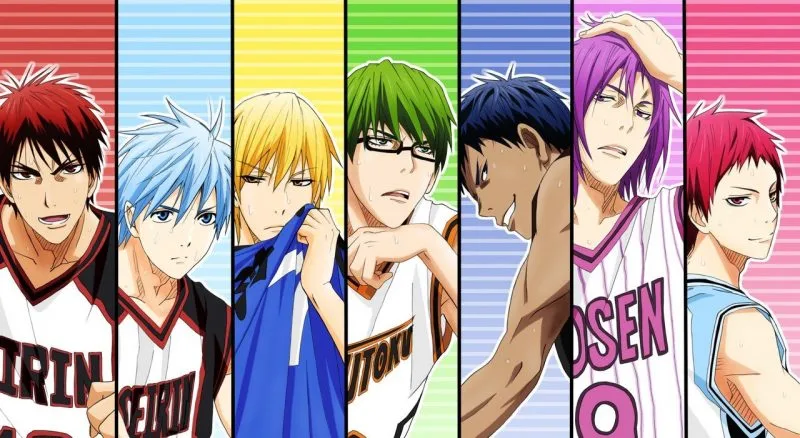
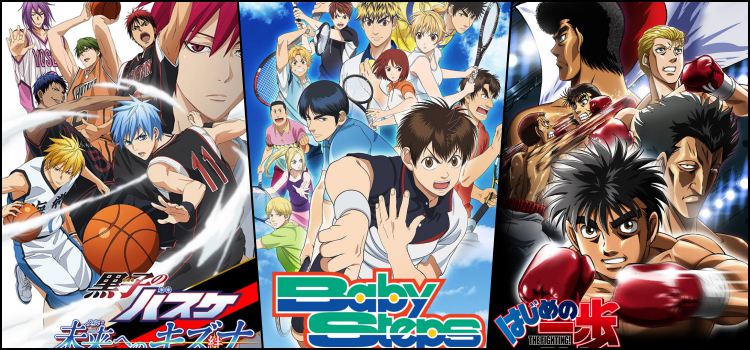
Those who want more basketball on screen can find suggestions in our list of basketball anime for fans of Kuroko no Basket.
The 2006 Basketball World Championship
In 2006, Japan hosted the FIBA World Championship together with the Japan Basketball Association. The field expanded from 16 to 24 teams, the first time since 1986 that so many nations took part.
Japan qualified automatically as the host country. Spain won its first world title by beating Greece in the final, while Japan finished in 20th place, right behind Brazil in 19th.
Japanese Players in the NBA
You may not have heard of all of them, but several Japanese players have reached the highest level of the sport:
1. Rui Hachimura: the best-known Japanese player in the NBA. The Washington Wizards selected him ninth overall in 2019, making him the first Japanese player picked in the first round of the draft. He was named to the All-Rookie Second Team in 2020, joined the Los Angeles Lakers in 2023 and won the NBA In-Season Tournament with the team that year. Since 2026 he has played for the Los Angeles Clippers.
2. Yuki Kawamura: a 5-foot-7 (1.70 m) point guard who was the shortest player in the 2025-26 NBA season. He signed with the Memphis Grizzlies in 2024, appeared in 22 games in his first season, then played for the Chicago Bulls before joining the Los Angeles Clippers in 2026.
3. Yuta Watanabe: he arrived in the NBA in 2018 through the Memphis Grizzlies and later played for the Toronto Raptors, the Brooklyn Nets and the Phoenix Suns. In 2024 he returned to Japan and now plays for the Chiba Jets in the B.League.
4. Yuki Togashi: the 5-foot-6 point guard signed with the Dallas Mavericks in 2014 and was waived before the season began. After a spell with the Texas Legends in the D-League, he returned to Japan in 2015 and was named B.League MVP in 2019 while playing for the Chiba Jets.
The B.League
The B.League began play in September 2016 as a merger between the National Basketball League and the bj league, mandated by FIBA after it suspended the Japan Basketball Association in November 2014. The league has three divisions, B1, B2 and B3, with promotion and relegation between them. From the 2026-27 season, the top division plays as B.League Premier.
The league's growth is visible in the stands. In the 2025-26 season, B1 and B2 together attracted a record 5,481,168 spectators, about 13 percent more than the previous year, and B1 clubs averaged more than 5,100 fans per game.
The national team reflects the same progress. At the 2023 World Cup, co-hosted by Japan, the team finished as the best Asian side and qualified for the Paris 2024 Olympics.
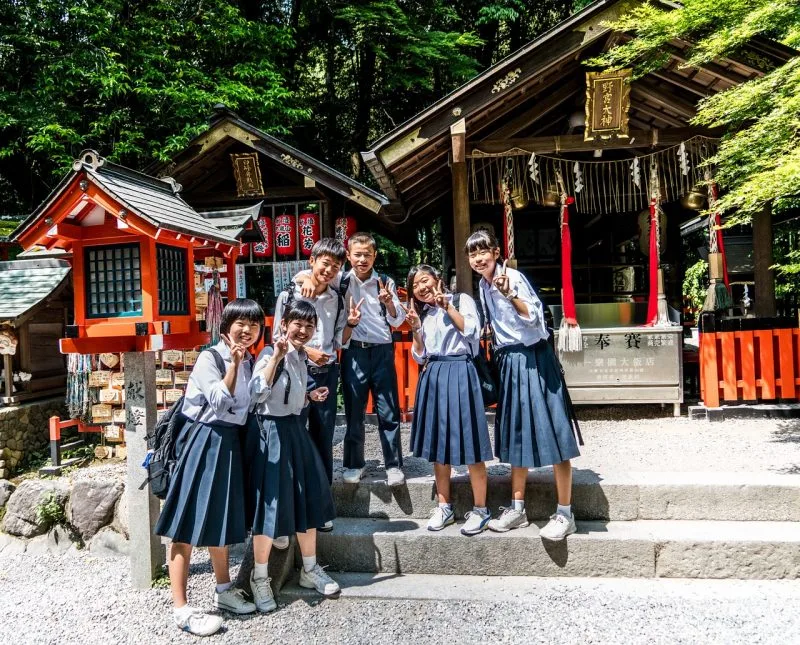
Other factors also contribute to the popularity of the sport. Through their school clubs, known as bukatsu, Japanese schools encourage students to take up a variety of sports.
Sports Betting
Sports betting in Japan is heavily restricted. Only four types of publicly run racing allow wagers: horse racing (keiba), bicycle racing (keirin), motorcycle racing (auto race) and boat racing (kyotei). Soccer pools and the national lottery are also part of the legal market, while betting on basketball and other major leagues is not permitted.
Wagers on the authorized sports can be placed online, but the government has been tightening the rules against illegal gambling. In June 2025, the lower house of the Diet passed a bill that would ban the operation of online casino sites and the use of social media to drive visitors to them.


Community
Comments
0 comments
There are no published comments in this language yet.
Send comment