

Oshibori is a traditional Japanese hand towel that is often given to guests in restaurants and other establishments. The towels are usually made of cotton or linen and are often scented with a floral aroma.
An oshibori can be a cold or hot towel. It is typically provided to customers when they first sit down, being used to clean their hands.
Hot oshibori are usually used in winter to warm the hands. Providing the wet towel is considered a gesture of hospitality.
These towels are generally white and square, but can be found in any color or shape.
Oshibori are usually made from natural materials, such as cotton or linen. However, they can also be made from synthetic materials, such as polyester.
The term oshibori is quite generic in Japan, and can refer to any type of wet or damp towel.
We also recommend reading:
- 15 Passions that describe the Japanese
- How do students clean schools in Japan?
- Guide to Waste Separation, Collection, and Recycling in Japan
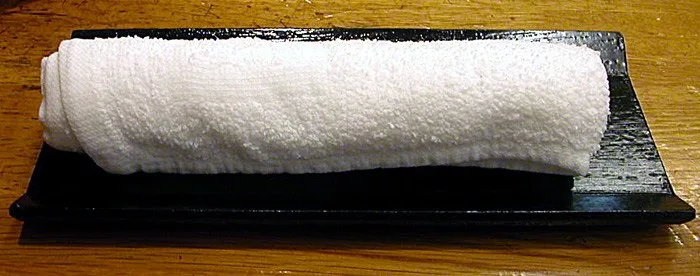
How to make an Oshibori
There are several ways to make a Japanese towel. The most common method is to use a piece of cotton or linen fabric the size of a napkin.
The fabric is moistened with water and then wrung out. Once damp, it can be used to clean the hands and face.
First, get an absorbent fabric in a square shape. The size of the square will depend on the size of the towel you are using.
Next, fold the square in half, and then again in half. Now, take the pot of hot water and pour it into the bowl. Also add cold water to the bowl.
Then, take the oshibori towel and dip it in the hot water. Shake it out and then dip it in the cold water.
Oshibori can be stored in a plastic bag in the refrigerator for up to a week. To use the towel, just wet it and wring it out.






Community
Comments
0 comments
There are no published comments in this language yet.
Send comment