
Content note: this article discusses murder, sexual violence, and suicide.
Takahiro Shiraishi, widely known as Japan’s “Twitter Killer,” was executed by hanging on June 27, 2025. He had been sentenced to death in 2020 for the 2017 murders of nine people in Zama, Kanagawa Prefecture: eight women and one man, aged 15 to 26.
The case became internationally known because Shiraishi used Twitter, now called X, to approach people who had posted about suicidal thoughts. He offered false companionship and help, then lured victims to his apartment. The crimes forced a painful public discussion about online vulnerability, the treatment of suicidal people, and Japan’s death penalty.
Contents 8
What happened in Zama in 2017?
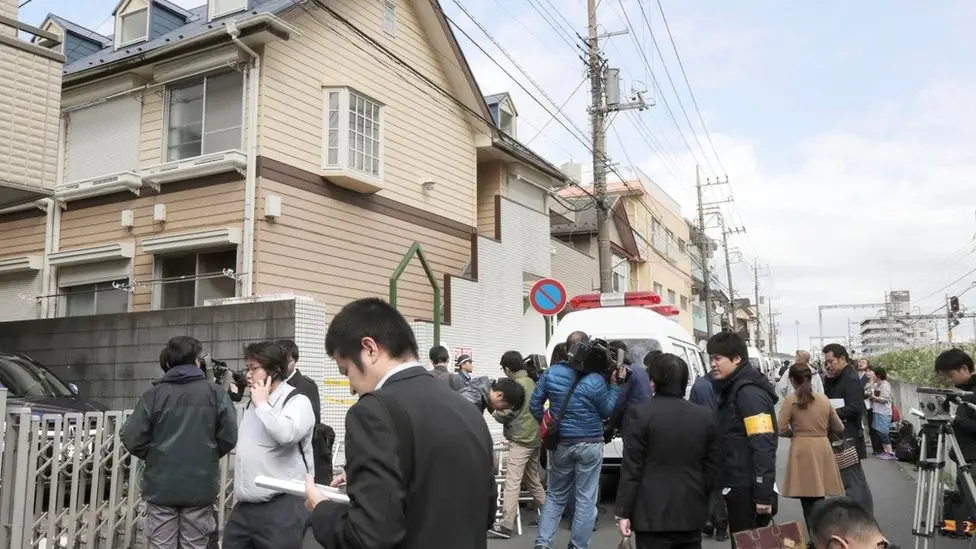
Between August and October 2017, Shiraishi contacted people online and arranged meetings at his apartment in Zama, southwest of Tokyo. Court reporting described how he targeted people in acute distress after seeing posts about wanting to die.
Police found dismembered remains in and around the apartment after tracing the disappearance of a 23-year-old woman. The discovery turned a missing-person investigation into one of Japan’s most disturbing modern criminal cases.
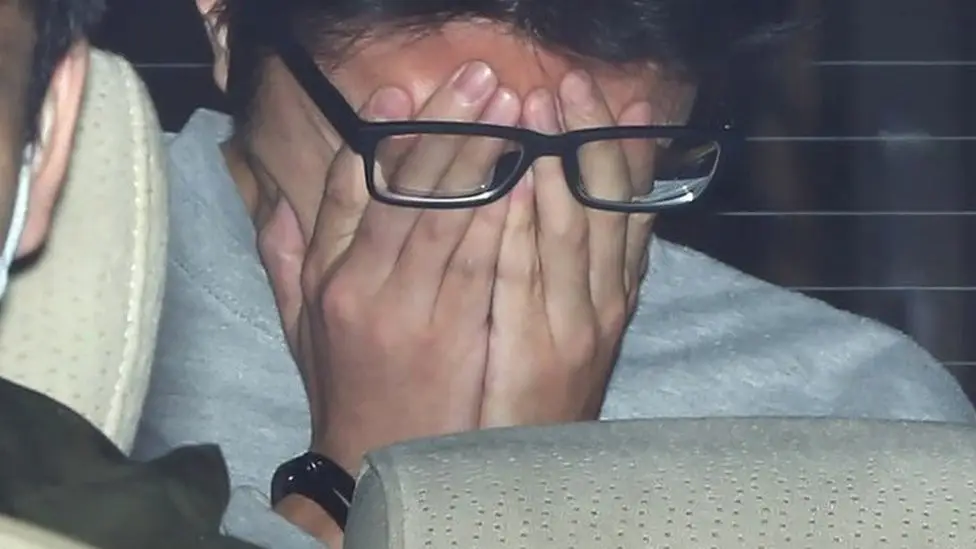
How Shiraishi approached his victims
Shiraishi presented himself online as someone who understood suicidal feelings and who could die alongside the person he was speaking to. That promise was false. Reporting and court coverage showed a pattern of manipulation: private messages led to meetings, and the meetings led to violence.
The important point is not the platform itself. The case showed how an abuser can exploit isolation, urgency, and apparent empathy in private online conversations. A person who sounds sympathetic is not necessarily safe, especially when they push for secrecy, a meeting, or a move away from trusted support.
The limits of the “Twitter Killer” label
The nickname is memorable, but it can make the case sound like a story about one website. Twitter was the setting in which Shiraishi found and contacted victims; the crime was his deliberate exploitation of people in distress. Suicidal thoughts do not make a person responsible for being targeted, and no platform label should shift attention away from the offender’s choices.
The case also offers no neat technological fix. Safer online spaces need reporting tools and responsible moderation, but people in crisis also need timely, compassionate contact with trusted family, friends, health professionals, or local support services. When someone posts an immediate risk, the priority is protection and connection, not public speculation.
The victims
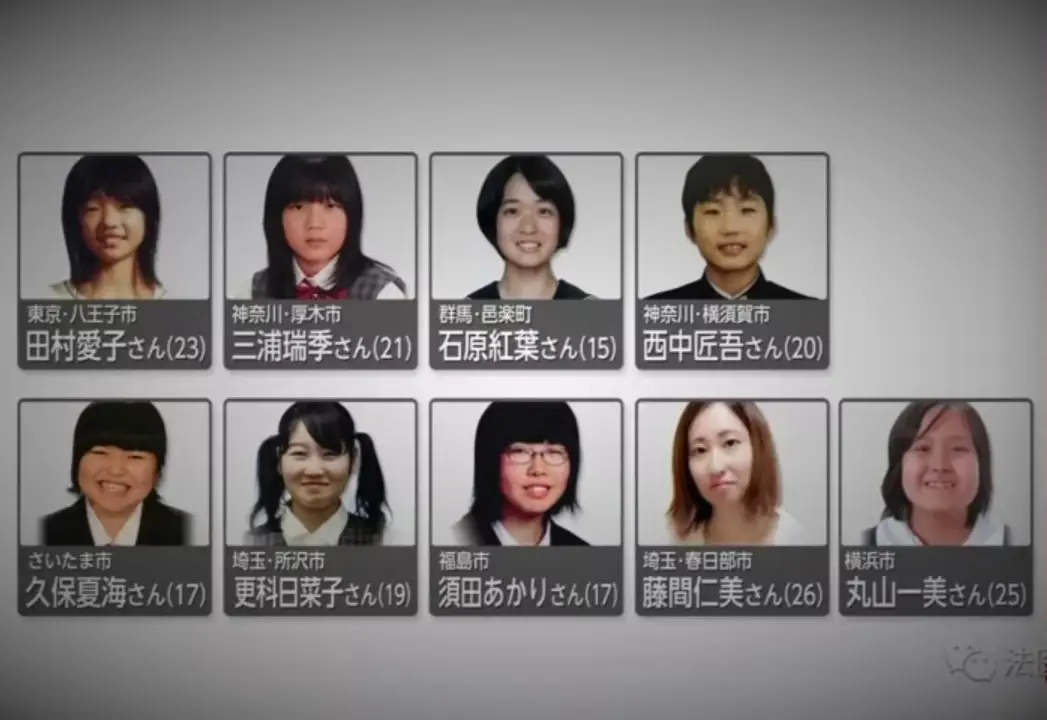
The victims were eight women and one man, all between 15 and 26 years old. Public reporting consistently identifies that number, age range, and period of the crimes. This article does not reproduce an unverified list of names or individual dates; the victims should not be reduced to details that cannot be responsibly confirmed.
Arrest, trial, and death sentence
Shiraishi was arrested on October 31, 2017. At trial, his defense argued that the victims had consented to being killed. Tokyo District Court rejected that argument. The court found that the victims had not consented and held him criminally responsible for the murders.
On December 15, 2020, the court sentenced him to death. Contemporary reporting said he had indicated before the trial that he would not appeal. The conviction also covered sexual assault and robbery connected to the crimes.
Execution in 2025
Japan executed Shiraishi at the Tokyo Detention House on June 27, 2025. Justice Minister Keisuke Suzuki said the order had been signed four days earlier. It was Japan’s first execution since July 2022.
Executions in Japan are normally disclosed only after they happen, and prisoners are commonly notified only hours beforehand. The announcement renewed a wider argument that goes beyond this one case: some people saw the punishment as a final legal response to an extraordinary crime, while human-rights groups continued to oppose capital punishment and the secrecy surrounding it.
Why the case still matters
The Shiraishi case is often remembered for its scale and brutality, but its lasting lesson is about vulnerability. Suicidal posts should be met with care, not curiosity or exploitation. Anyone facing immediate danger should contact local emergency services or a crisis-support service, and people who see a concerning post can encourage the person to reach trusted, offline help.
For background on this wider issue, read our guide to suicide in Japan. It is also worth remembering that a criminal case can become a media label, while the people harmed by it remain more than a headline.
Key facts at a glance
- Defendant: Takahiro Shiraishi
- Location: Zama, Kanagawa Prefecture, Japan
- Crimes: nine murders committed between August and October 2017
- Victims: eight women and one man, aged 15 to 26
- Sentence: death sentence, December 15, 2020
- Execution: June 27, 2025, by hanging at Tokyo Detention House
For more context on major criminal cases in the country, see Criminal Minds: Cases in Japan.



Community
Comments
0 comments
There are no published comments in this language yet.
Send comment