

Japan is widely recognized across the globe as an affluent nation and a technological powerhouse, known for its low unemployment rate, remarkable public safety, and immaculate infrastructure. This orderly reputation frequently leads international observers to believe that economic distress is virtually nonexistent in the country, or that every citizen enjoys a comfortable middle-class life. Looking behind the pristine cityscapes, however, reveals that millions of residents face severe economic challenges and struggle daily to cover their basic expenses.
According to comprehensive surveys conducted by the Ministry of Health, Labour and Welfare alongside the OECD, Japan's relative poverty rate stands at approximately 15.4 percent. This metric indicates that nearly 20 million people live below the relative poverty threshold, surviving on less than half of the national median disposable household income. This burden falls disproportionately on single-parent households and elderly citizens living alone. Although this distress is rarely ostentatious, many workers spend each month living at the limit of their salaries.
In Japanese metropolitan areas, economic distress remains largely concealed because strong cultural expectations encourage families to maintain outward appearances. Even so, hardship is unmistakably present in historic day-laborer areas like Kamagasaki in Osaka and San'ya in Tokyo, highlighted in discussions of dangerous neighborhoods and urban enclaves, among the homeless populations in municipal parks, and among citizens displaced by debt or sudden employment loss. Structural pressures and labor market divisions ensure that poverty remains an inescapable reality in contemporary Japan.
Contents 3
Single mothers and poor elderly in Japan
The risk of financial vulnerability is particularly acute among single-parent households. Single mothers in Japan record a relative poverty rate hovering near 44 percent, representing one of the highest figures among developed OECD economies. Over 80 percent of single mothers in Japan are actively employed, yet the majority are confined to non-regular, part-time, or contract positions that offer low wages, few benefits, and little opportunity for career advancement. Traditional corporate hiring practices place mothers returning to work at a significant disadvantage, while legally binding child support payments from non-custodial parents are enforced in only a minority of cases.
A parallel crisis affects Japan's rapidly aging demographic. The basic national pension, known as Kokumin Nenkin, provides payments that frequently fall short of covering standard living costs and housing expenses in major metropolitan centers. Elderly women who spent decades as homemakers or worked in low-wage non-regular roles are especially vulnerable when living alone, as their accumulated retirement entitlements remain modest.
To bridge this financial shortfall, thousands of elderly citizens continue working well past retirement age, taking on positions as security guards, cleaners, or traffic conductors. In extreme situations driven by severe isolation and financial desperation, some seniors commit minor petty shoplifting offenses, choosing short custodial sentences in prison where regular meals, shelter, and medical oversight are guaranteed.

The visible poverty on the streets of Japan
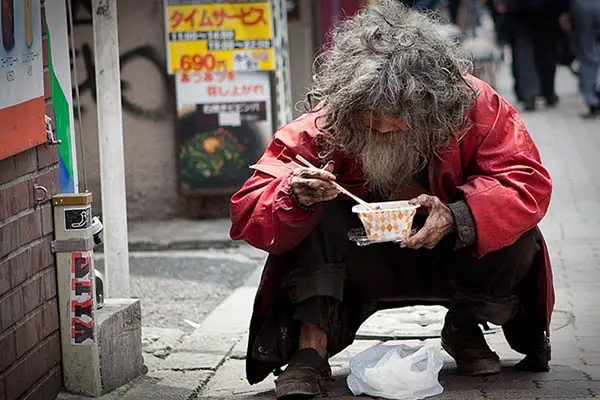
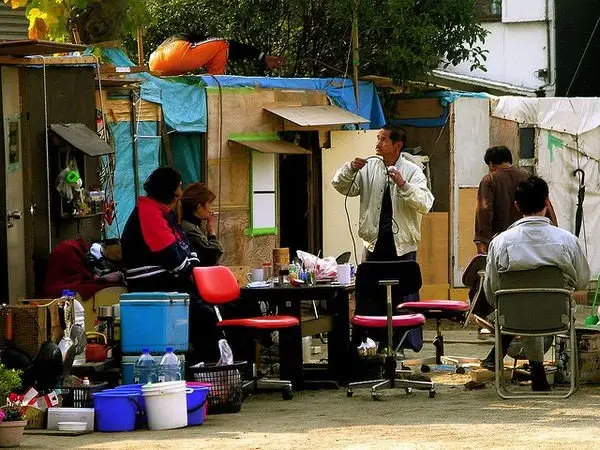
Visitors to Tokyo, Osaka, or Kyoto will rarely encounter conventional slums or sprawling shantytowns. On the surface, Japanese urban centers appear exceptionally clean, peaceful, and prosperous. Even so, people without permanent shelter sleep on cardboard mats beneath expressway bridges, erect blue tarps in public parks after sunset, and fold their belongings away neatly before morning so as not to disturb commuters.
The pathways leading into homelessness are complex and diverse. Beyond job losses and economic shocks, many individuals face personal trauma, untreated mental illness, or family estrangement. Cultural stigma also plays a powerful deterrent role. The national public assistance program, known as Seikatsu Hogo, requires welfare caseworkers to contact extended family members to verify whether relatives can provide financial support. To avoid bringing perceived shame or financial obligation upon their parents or siblings, many destitute individuals choose to live in anonymity on the street rather than apply for state aid, as explored in our guide to homeless people in Japan.
Many homeless men survive by gathering recyclable aluminum cans, collecting discarded magazines, or performing sporadic daily labor for modest sums. This hidden dimension of Japanese life is reflected in popular culture as well. Works like the manga and anime series Hinamatsuri portray the resourceful camaraderie and daily routines of park tent communities, while comedies like Yamada Tarou Monogatari dramatize the extreme budgeting tactics of families struggling to survive.
Other reasons causing poverty in Japan
Several institutional and social factors push Japanese households into financial difficulty despite regular employment. Raising a child in Japan involves substantial out-of-pocket costs. Although compulsory elementary and junior high school education is tuition-free, expenses for uniforms, school supplies, lunches, and essential private cram schools known as juku place a heavy strain on family budgets. Out-of-pocket healthcare costs also require co-payments that typically equal 30 percent of medical bills, which can accumulate rapidly during prolonged illnesses.
At the same time, pervasive urban entertainment and consumer credit options create substantial financial traps. Pachinko parlors, host and hostess clubs, and quick-access consumer finance lenders known as sarakin can pull vulnerable individuals into compounding cycles of debt. When sudden emergencies arise, households without liquid savings find it difficult to maintain payments for housing and daily essentials.
Another significant challenge involves adult children who withdraw from society and remain dependent on their aging parents for decades, known as hikikomori. When elderly parents reach their eighties and their adult children enter their fifties, a dynamic widely known in Japan as the 8050 problem, the household pension income often collapses upon the parents' passing, leaving the surviving adult in sudden and acute economic distress.
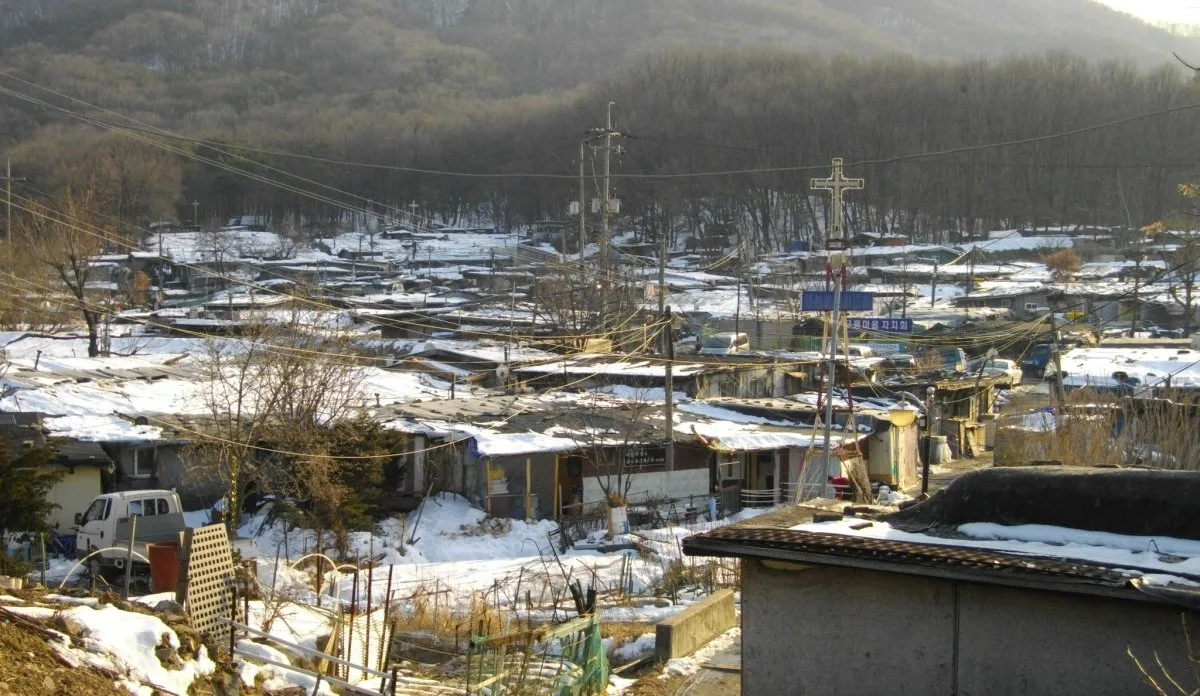
Poverty in Japan takes a quiet and distinct form compared to many other countries, masked by social discretion, personal dignity, and orderly streets. Nevertheless, relative poverty remains a daily reality for millions of citizens who strive to make ends meet in a demanding society. Understanding these economic realities provides a far more complete and empathetic view of life in modern Japan.





Community
Comments
0 comments
There are no published comments in this language yet.
Send comment