
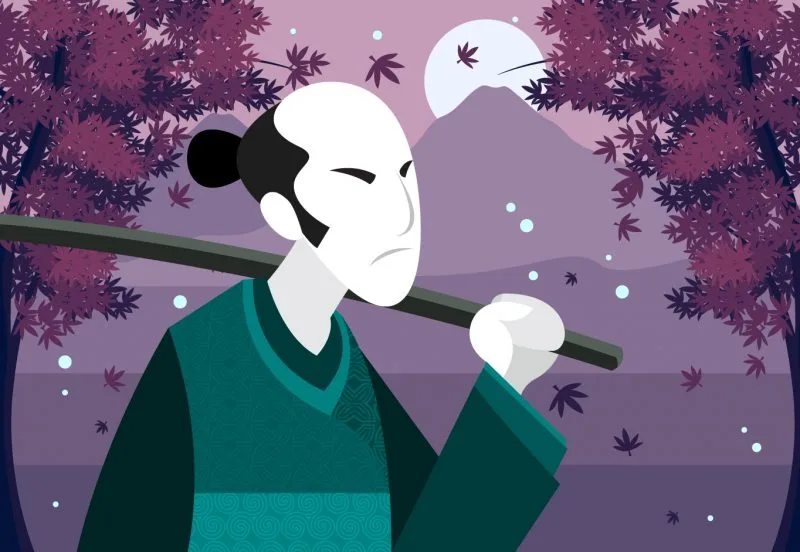
When we are reading something about ancient Japan, we always see some titles like daimyo and shogun. We can notice these titles more easily in mangas, animes, or light novels that deal with ancient Japan.
We can suggest, for example, some articles here on the site that talk about the history of Japan. Like an article about the Edo Period, Shogunate, and others. In these articles, you will find various titles, such as Shogun and Daimyo.
In this article, we will try to explain a little about the Daimyo. Especially since they are mentioned much more than the Shoguns themselves. Even though they are a title below the Shogun. This is because in Japanese history they had a significant influence. But anyway, let's get to the point.
Contents 7
The Daimyos
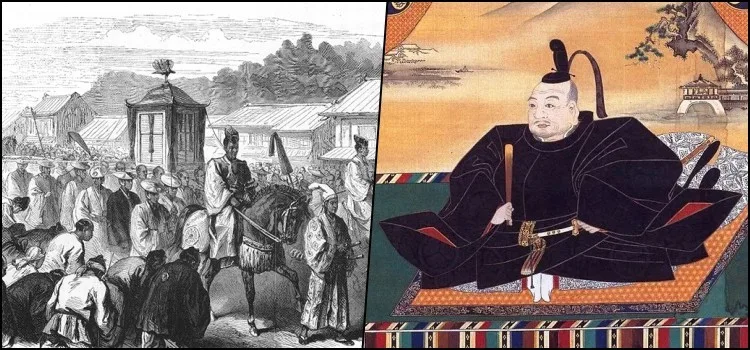
The daimyo [大名] were nothing more than powerful Japanese feudal lords. These lords governed most of Japan from their vast hereditary estates. At least until their decline in the early Meiji period.
In this term, dai (大) means "great" and myo means myōden (名田), which means private land. With this definition, the explanation is no longer necessary. They were subordinate to the shōgun, and nominally to the emperor and the kuge.
The financial resources of the daimyos also varied considerably. While some daimyo clans were branches of cadet branches of the Imperial family or were descendants of the kuge. On the other hand, other daimyo were promoted from the ranks of the samurai, especially during the Edo period.
Yes, we can see that there was no defined ancestry base. What can be said is that they always had a large financial base because of their lands. But how they acquired these lands is something we can leave to our imagination.
Other Information
The term daimyo sometimes also refers to the main figures of the clans, who are commonly called "Lord." It was generally, though not exclusively, from these warlords that a shōgun emerged or a regent was chosen.
Here we can note the importance of these men in history. After all, we can assert that at least some Shoguns were chosen from the daimyos. But that is a topic for another discussion.
Daimyō often hired samurais to protect their lands and paid the samurai in land or food. After all, relatively few could pay a samurai in cash. The era of daimyō ended shortly after the Meiji Restoration with the adoption of the prefecture system in 1871.
Shugo-daimyo
The shugo daimyo were the pioneers to hold this title. Yes, these were the first men to possess the title of daimyo. They emerged among the shugo during the Muromachi period. The shugo-daimyo held military and police powers. As well as economic power within a province.
The Ashikaga shogunate required that the shugo-daimyō reside in Kyoto. Thus, they had to appoint relatives or retainers to represent them in their provinces of origin. These people were called shugodai. Eventually, some of these, in turn, came to reside in Kyoto, appointing deputies in the provinces.
A major event involving these lords was the Wasni War. Which was nothing more than a large revolt in which shugo-daimyo fought among themselves. During this and other wars of the time, locally powerful warriors sought independence from the shugo-daimyō.
The deputies of the shugo-daimyo, who lived in the provinces, took the opportunity to strengthen their position. By the end of the 15th century, those shugo-daimyo who succeeded managed to remain in power.
Sengoku-daimyō
Among the sengoku daimyō, there were many who had been shugo-daimyō. These were those who managed to hold power during the various wars and revolts that occurred. Thus, many other new characters also emerged among the ranks of the daimyō.
Those who managed to rise to power originated from the ranks of shugodai and their representatives. And in another slice of the pie, there were some other sengoku-daimyō, who emerged from the ji-samurai.
The lower officials of the shogunate and rōnin, provincial officials, and kuge also gave rise to the sengoku-daimyō. With this, we can see that opportunities came to those who were prepared. Many held power in hand, but many others lost that power.
Daimyō in the Edo Period
The Battle of Sekigahara in the year 1600 marked the beginning of the Edo period. Shōgun Tokugawa Ieyasu then reorganized about 200 daimyō and their territories into han. These were evaluated by rice production.
He also categorized the daimyō according to their relationship with the Tokugawa family.
After the Meiji Restoration
In 1869, a year after the Meiji Restoration, the daimyō, along with the kuge, formed a new aristocracy, the kazoku. In 1871, the han were abolished and the prefectures were established, effectively ending the era of daimyō in Japan.
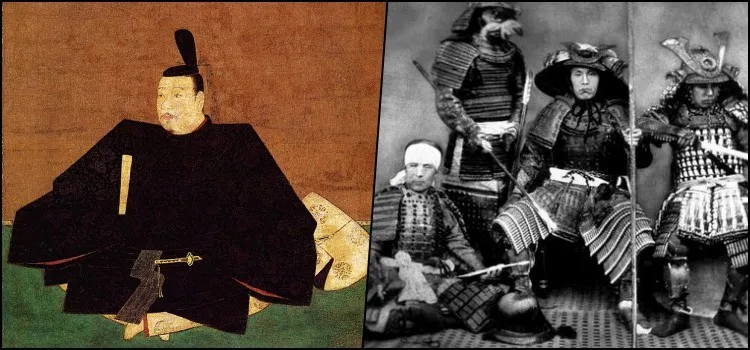
Following this change, many daimyō remained in control of their lands, being appointed governors of the prefecture. However, they were soon dismissed from this duty and called en masse to Tokyo.
Despite this, members of the former daimyō and their families remained prominent in government and society. In some cases, they continue to be prominent to this day.
Do you remember any Daimyo?
The Daimyos who managed to stand out in the history of Japan are many. We can mention, for example, Shimazu Nariakira, Oda Nobunaga, Imagawa Yoshimoto among others, all with significant roles and importance in history.
Do you know of any others who played a significant role? If you know of any, just leave a comment down below. We are always looking at the comments. Remember to leave a brief explanation of this character's life.




Community
Comments
0 comments
There are no published comments in this language yet.
Send comment