
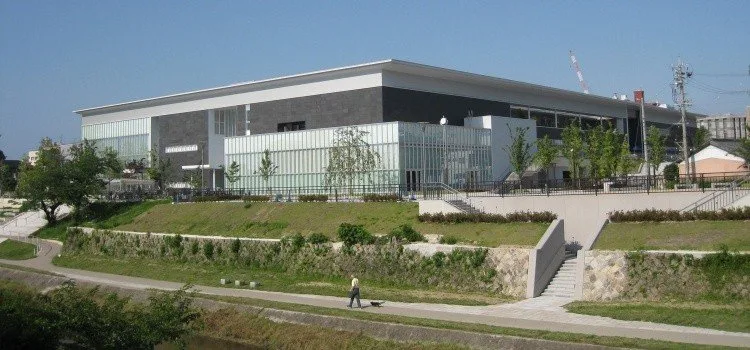
People across Japan share a deep appreciation for reading, visible in the weekly flow of new manga, light novels, and specialized non-fiction that arrive in bookstores nationwide. Even in neighborhood sento bathhouses or quiet local cafes, visitors frequently encounter dedicated shelves of reading material arranged for patrons. Public municipal libraries, known in Japanese as shiritsu toshokan (市立図書館), offer one of the clearest windows into this nationwide dedication to learning and community life. These public facilities blend bold civic architecture, accessible neighborhood services, and peaceful retreats for daily study.
Public libraries in Japan operate primarily through local municipal funding. Under the landmark Library Act of 1950 (Toshokan-hō), access to public library collections and basic lending services is legally guaranteed free of charge to everyone. Local citizens, daily commuters, and foreign residents can explore the open stacks, conduct research, or spend an afternoon reading without paying admission fees. Many of these modern cultural centers feature bright, sunlit interiors that resemble contemporary art galleries or peaceful indoor parks rather than formal book warehouses.

Contents 5
What Sets Japanese Municipal Libraries Apart
Modern Japanese municipal libraries function as dynamic community centers rather than quiet book repositories. Along with traditional book lending, these municipal complexes offer exhibition halls, lecture spaces, open study areas, and cultural workshops throughout the year. Students, retirees, and local remote workers gather in these shared spaces daily. Japanese urban planners view the public library as a quintessential third place: a welcoming social environment outside the home and the workplace where people connect with ideas and neighbors.
In municipalities with larger international populations, such as cities in Gunma, Shizuoka, and Aichi prefectures, public libraries actively maintain multilingual sections. Visitors can find shelves featuring books in English, Portuguese, Chinese, and Korean. These initiatives help new arrivals settle into the neighborhood, support bilingual children, and foster genuine cultural exchange within the local district.
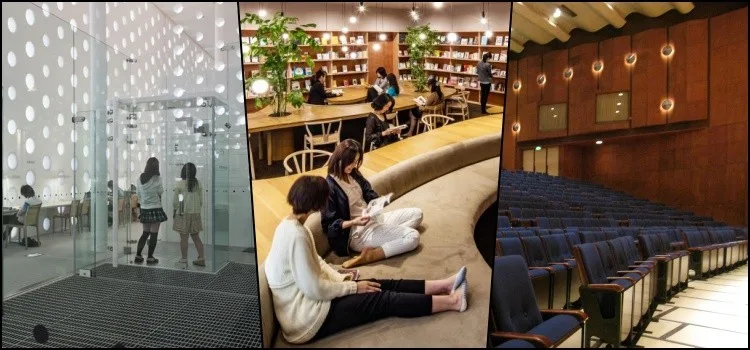
Modern libraries in Japan often house art galleries, event spaces, and accessible community study areas for all generations.
Architectural Masterpieces of Japanese Public Libraries
Over the past few decades, Japan has established itself as an international pioneer in creative library architecture. Leading designers transform municipal buildings into striking civic landmarks that draw visitors from around the world. A celebrated example is the Kanazawa Umimirai Library in Ishikawa Prefecture, created by the architecture studio Coelacanth K&H. The minimalist white structure features roughly 6,000 circular glass blocks embedded in its outer walls, flooding the cavernous 12-meter reading hall with soft, diffuse daylight reminiscent of a tranquil forest of books.
Another landmark project is the Takeo City Library in Saga Prefecture. Through an innovative public-private partnership, the city reimagined its municipal library by integrating towering curved wooden shelves, a commercial bookstore, and a full-service cafe into a unified cultural hub. Other renowned facilities, such as Toyo Ito's sweeping timber-latticed Gifu Media Cosmos and the terraced Ishikawa Prefectural Library, prove how inviting public spaces become when thoughtful spatial design meets civic accessibility.
Modern Facilities, Comfort, and Technology
The interior design of Japanese public libraries prioritizes user comfort, quiet focus, and practical utility. Study desks frequently come equipped with individual power sockets for laptops, free municipal Wi-Fi networks, and ergonomic seating. Specialized reading corners offer the latest editions of daily newspapers, domestic periodicals, and academic journals. For young families, dedicated children's floors feature low shelving, carpeted spaces for barefoot play, and regular picture-book storytelling sessions.
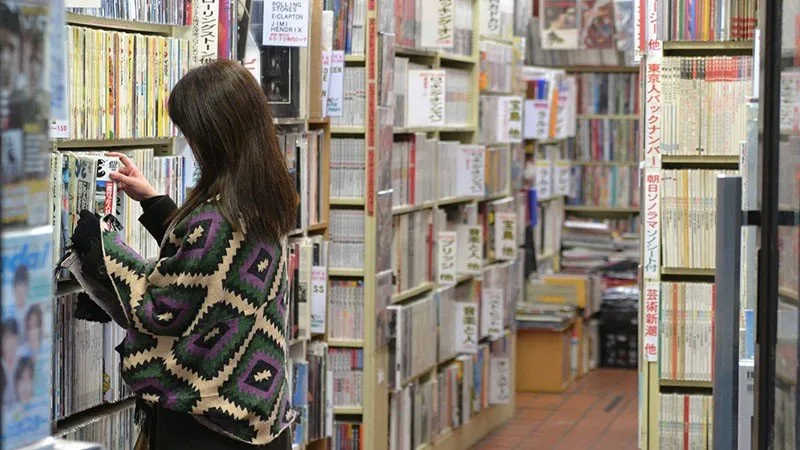
Visitors who need a break from studying can visit on-site cafes, landscaped courtyards, or outdoor seating plazas. Commercial establishments like a manga kissa cater to private entertainment with partitioned cubicles for an hourly fee. Municipal libraries fulfill an entirely different educational mission, providing open communal environments dedicated to lifelong learning and free public inquiry.
How Borrowing and Everyday Use Work
Admission to a Japanese municipal library is open to any person who walks through the doors. Anyone may browse the open stacks, study at the tables, or read magazines on-site without showing identification or filling out registration paperwork. When you wish to borrow books, magazines, or audiovisual media to take home, you will need a library user card, known as a riyōsha kādo (利用者カード).
Obtaining this card takes only a few minutes at the service counter by presenting an official identity document with your current address, such as a Residence Card or My Number Card. In most jurisdictions, cards are issued to anyone who resides, works, or attends school within the city or participating regional library network. Self-checkout stations equipped with RFID technology make borrowing quick and private, while digital OPAC terminals help patrons locate books by shelf number. If you need to return materials outside open operating hours, you can simply deposit them into the convenient book return drop box (henkyaku posuto) located near the main entrance.
Public Libraries as a Mirror of Japanese Civic Values
The peaceful atmosphere inside a Japanese library reflects foundational social expectations: mutual consideration, low noise levels, and careful respect for shared public property. Just as children learn collective responsibility and cleanliness while maintaining schools in Japan, library visitors take care of books, furniture, and shared workstations. The quiet order of these spaces relies on trust and personal accountability rather than heavy security enforcement.
This civic mindset aligns closely with everyday integrity, observed in the honesty of the Japanese when lost items or misplaced wallets are promptly handed to library staff members. Alongside reliable public transit and the nationwide healthcare in Japan, well-maintained municipal libraries form an essential pillar of urban life and community well-being.
Japanese municipal libraries demonstrate that public cultural facilities can remain welcoming, technologically advanced, and architecturally inspiring. They function as living centers for lifelong curiosity, intergenerational contact, and quiet concentration. Anyone traveling through Japan or residing in the country will find that spending an afternoon in a local municipal library offers a rewarding encounter with authentic civic culture.




Community
Comments
0 comments
There are no published comments in this language yet.
Send comment