
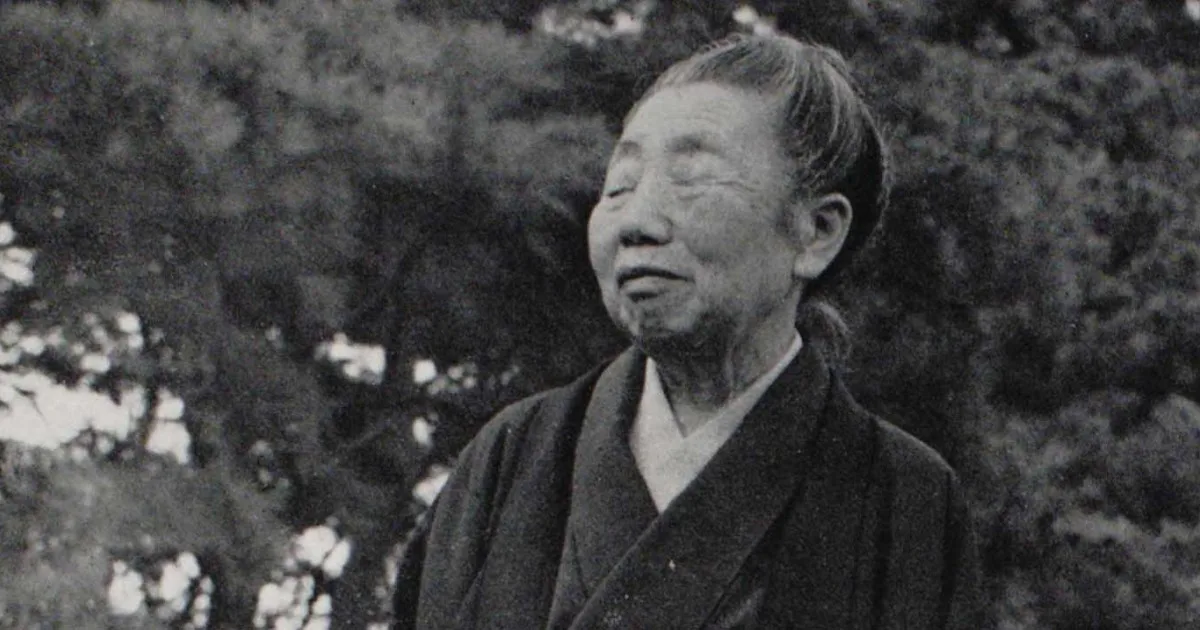
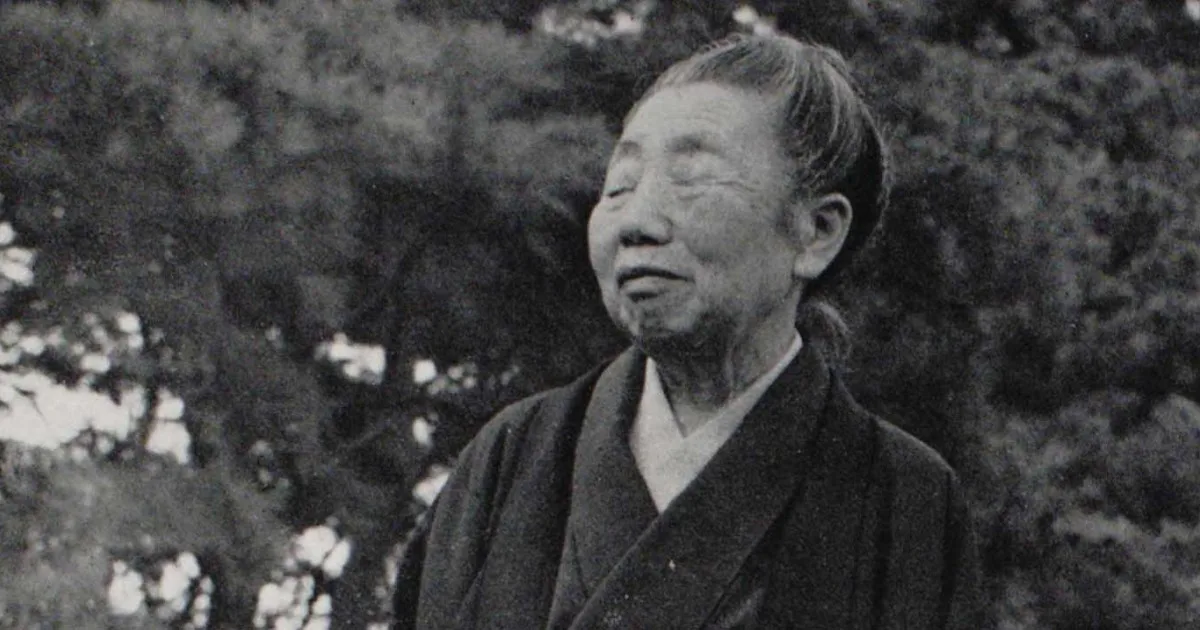
Motoko Hani came from a samurai family and was born in 1873. She was the first journalist in Japan, and in addition to excelling as a professional, she was responsible for fighting for education and financial independence in the country.
Motoko Hani lived to dedicate herself to doing everything within her reach to improve the lives of Japanese women. The first Japanese journalist was part of the first women at the women's higher education institute in Tokyo.
Contents 3
Motoko made history
Motoko Hani was responsible for creating a magazine that is still in monthly circulation today, "Fujin no Tomo" (which means "friend of women" in Portuguese). The magazine was created in 1903, but it only took on this name five years later.
Motoko served as the editor-in-chief of this magazine aimed at housewives. The audience of this magazine was primarily middle-class women living in newly established urban centers.
The magazine aimed to help women achieve better living conditions with insights on Christianity and providing practical assistance in daily life.
In 1921, she founded a women's free school called Jiyu Gakuen School Myonicikan. The institution aimed for the independence and freedom of women.
The institution has four buildings: the main one with classrooms, the east in a U shape, the west also with classrooms, and the auditorium with a capacity of up to 300 people.
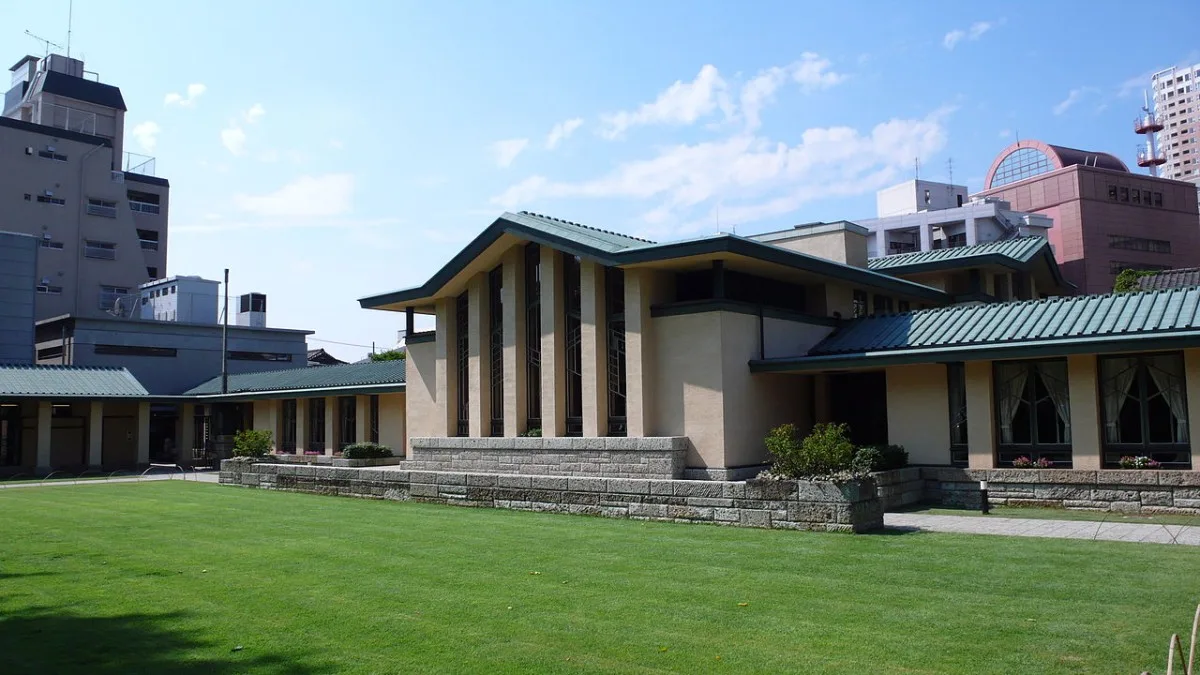
In 1934, the main campus was moved to Higashikurume, Tokyo. The original buildings began to be used by alumni for extracurricular activities. In the 1990s, there was concern about revitalizing the structure of the building, which was already aging.
The Japanese government determined that the school could be used for educational activities, and in 1997 it was declared an Important National Cultural Heritage.
The restoration of the building was carried out from January 1999 to September 2001. Since then, the site has been open to the public and can be used for various events and even weddings.
Ease for women
The journalist, Motoko Hani also created a financial agenda to help women with money management. She published an accounting book for modern Japanese families. This book was made available once a year.
In the early 20th century, women were responsible for raising children and managing family finances. And through Motoko's creation, the Japanese method of saving money known as 'kakeibo' gained traction not only among women. This method allowed women to have more control over their financial lives to align earnings with their lifestyle.
Motoko's kakebo is still used today and has become a bestseller with translations in several languages.
Career
Before becoming a journalist, Motoko Hani was a teacher. It was a challenging role for her, as at that time only 5.9% of teachers were women. The female presence was predominant in textile factories or as domestic workers.
She began her career as a journalist by participating in a newspaper column called "Fujin no sugao" (which means 'portraits of famous women'). Her most successful article was when she interviewed the wife of Viscount Tani Kanjo, Lady Tani.
After the good reception, she was promoted to reporter for the newspaper and became the first journalist in Japan in 1897 at the age of 24.
Motoko stood out as a reporter because she focused on stories related to neglected areas, such as daycare centers and orphanages.
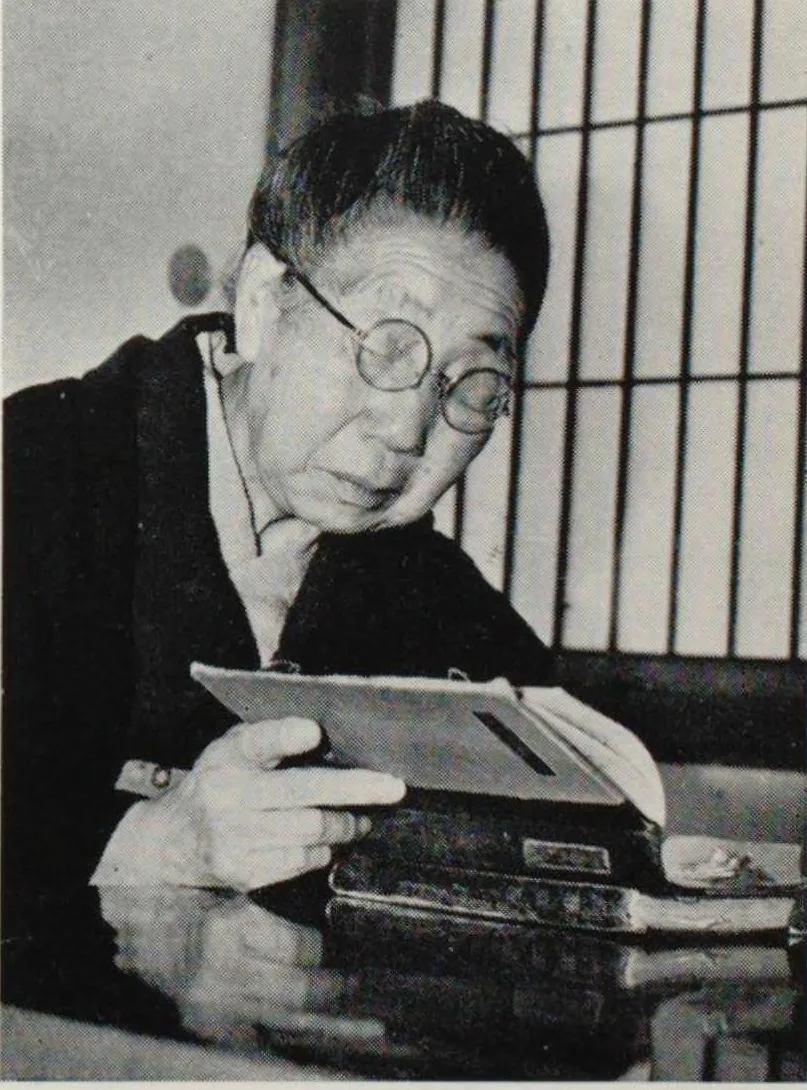
In 1920, she stated that women were equal to men in the domestic sphere. And she was carving out her space by speaking on issues of women's empowerment.
She was among the female leaders who worked with the Meiji government to improve the lives of Japanese women.
Motoko passed away in 1957, at the age of 84, leaving a legacy that women have a fundamental role in society and that they can have the freedom to be whatever they want.





Community
Comments
0 comments
There are no published comments in this language yet.
Send comment