
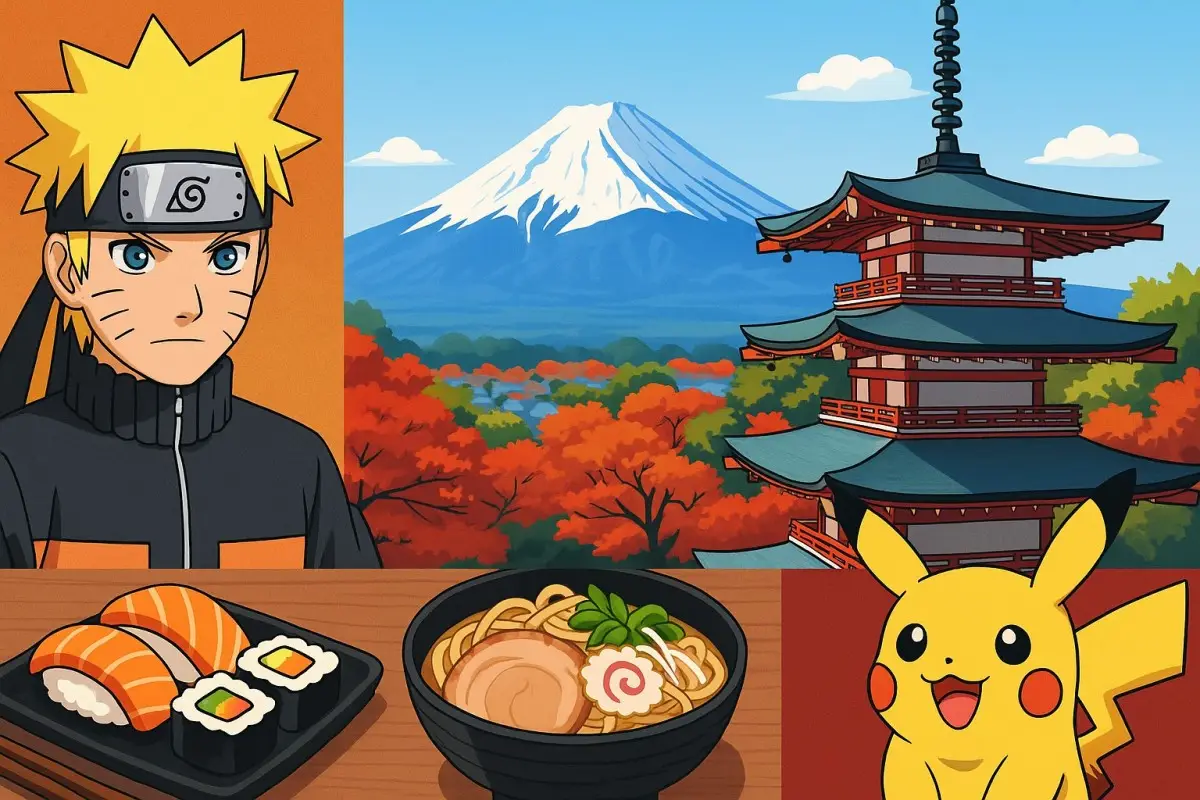
Japanese pop culture is everywhere today: manga in bookshops, anime on streaming platforms, games from Nintendo and Sony, J-pop in playlists and cosplay at conventions. The road there was long and started after the Second World War. This text explains how a national entertainment market became a global culture, what television and the internet changed and why fans outside Japan often pushed distribution further than the industry itself.
Contents 12
What pop culture means
Pop culture describes the cultural expressions of a society that reach a large audience: music, film, comics, dance, fashion, festivals and food. It appears in one country and then crosses borders when media carry it. In Japan the first carriers were manga and television, later video cassettes, the internet and streaming.
After the war: a new start
After 1945 the image of Japan changed. Before, the country was mostly associated abroad with samurai, kimono and cherry blossoms. In the post-war period new forms of storytelling appeared, and manga above all became a mass medium. Osamu Tezuka shaped the medium with works such as Shin Takarajima (1947), with large eyes and clear characters that still define its look.
From comics to television
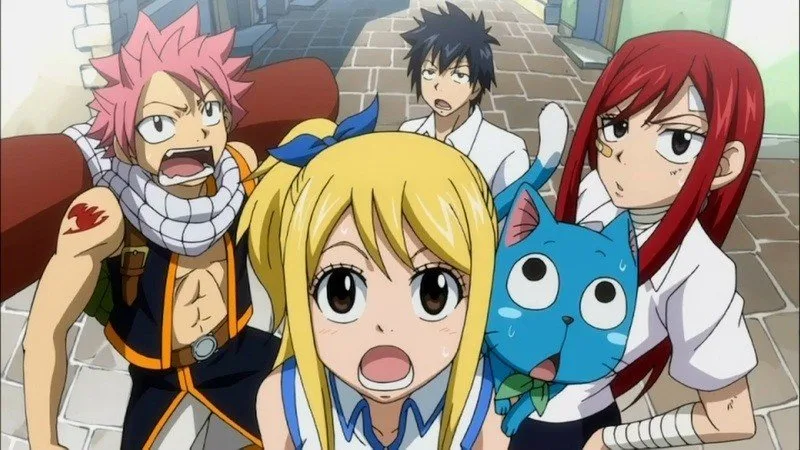
The first major anime series was Astro Boy, broadcast in Japan in 1963 and soon shown abroad. The 1970s and 1980s brought series that became childhood memories in Europe and Latin America: Heidi, Captain Tsubasa, Sailor Moon and Dragon Ball. At first the export grew out of business with productions that already existed rather than out of cultural policy.
Why the characters looked different
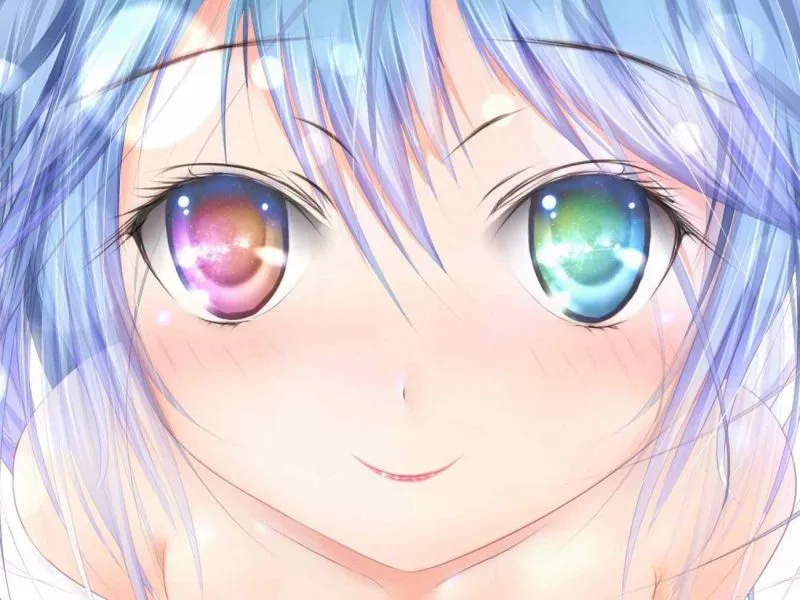
Large eyes and colourful hair set Japanese comics apart from American superhero books. For audiences outside Japan these features became a marker: viewers could tell where a production came from without knowing the brand. That recognition effect helped the spread.
The 1990s: tapes, fandom and fansubs
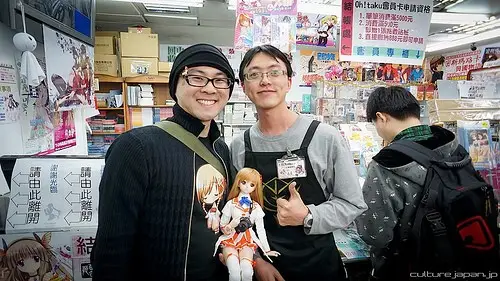
With video tapes and later the internet, communities grew that traded, translated and recommended series. Fansubs, episodes subtitled by fans, made unknown titles visible before official distributors found them. In that period the otaku culture organised itself through magazines, conventions and collectibles. Comiket, the comic market, has existed since 1975 and became a meeting point for that scene.
Games and music as a second engine
Besides anime and manga, video games shaped how Japan was seen: the Famicom in 1983, later the PlayStation, and brands such as Pokémon, which started as a game in 1996 and became globally known as an anime in 1997. Music spread more slowly, but anime openings, J-pop and later the rediscovery of city pop gave it an audience abroad.
Fashion, kawaii and Harajuku
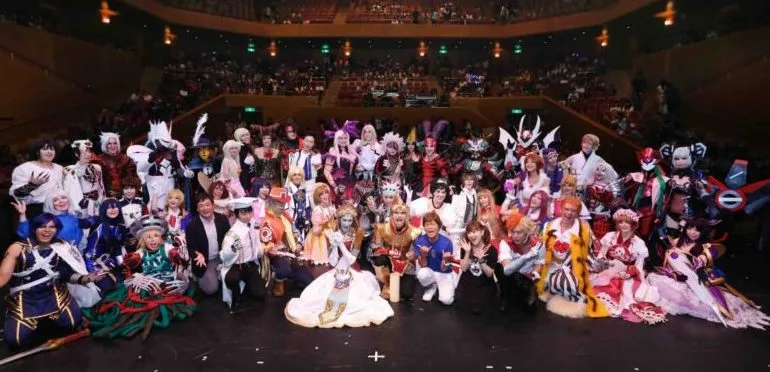
Japanese fashion became an entry point for many people: school uniforms as costume, platform shoes, bright hair and the kawaii aesthetic. Harajuku became a showcase for these styles, and cosplay connected fashion with fandom. Advertising and pop music picked up the images, so they became familiar outside the scene as well.
Cool Japan and policy
From the 2000s the Japanese government tried to use pop culture as an economic factor. Under the label Cool Japan it supported exhibitions, conventions and funding programmes; in 2013 a state fund for such projects was created. The results were debated, because the industry had already grown internationally and the state reacted after the fact rather than leading.
Streaming and new reach
Broadband and streaming changed access again. Platforms such as Crunchyroll, later also Netflix, now show seasons almost simultaneously in many countries. That reduces the role of fansubs while dubs and subtitles become more professional. At the same time, pressure grows to release titles across regions instead of exporting single shows years later.
Fans as the engine
The spread was rarely a state campaign. It came from communities: forums, conventions, fan translations, YouTube channels and blogs. Fans outside Japan often decided earlier than distributors which titles could succeed. This structure explains why Japanese pop culture does not arrive as one product but as many niches that reinforce each other.
How to start today
Starting is easier than before: streaming for anime, bookshops and online stores for manga, concerts and conventions for music and cosplay, and travel for anyone who wants to see the country. Those who want to go deeper find courses, language-learning material and explanations of terms such as otaku, kawaii or cosplay. The important thing is to choose your own entry point: a series, a manga, a game or the food.
Final thoughts
Japanese pop culture is not one phenomenon but a story of media shifts: from comics to television, from tape to stream. What looks natural today came from exports nobody planned and from fans who passed content on. Turning on a series now means seeing the result of that chain.
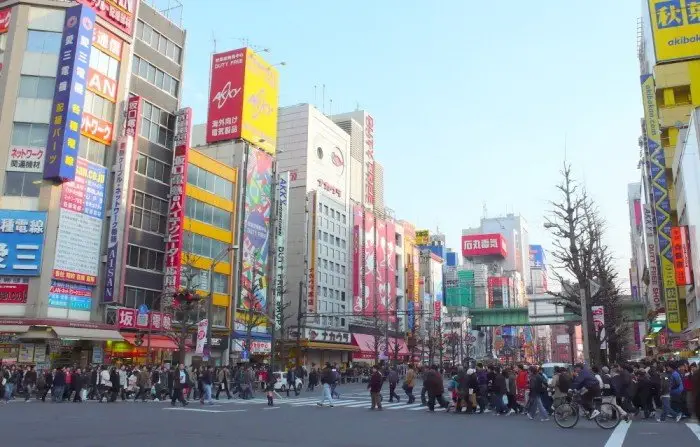
More on Japan and pop culture: what an otaku is, Akihabara, otaku culture, manga for learning Japanese, manga, manhwa and manhua, cosplay, kawaii and moe and Japanese school uniforms.

Community
Comments
0 comments
There are no published comments in this language yet.
Send comment