

Anime is often praised for its style, imagination and emotional intensity, but a lot of what makes anime feel different comes from something deeper than visuals. Many of its recurring story patterns are tied to Japanese ideas about relationships, routine, hierarchy, impermanence and self-control. Once you notice that, a lot of anime starts making more sense.
This does not mean every anime is a direct reflection of Japanese society. Fiction always exaggerates, simplifies or reworks reality. Even so, the cultural habits behind anime storytelling are hard to miss, especially once you start comparing them with Western narrative habits.
If you want to understand why those emotional patterns connect so strongly with fans, it also helps to see how they feed into otaku culture and fandom, where people often connect just as much with mood and values as with plot alone.
Contents 8
Group harmony matters more than many viewers expect
One of the clearest cultural influences in anime is the importance of group harmony. Japanese social life traditionally places strong value on cooperation, self-restraint and awareness of others. That is one reason so many anime characters are defined through relationships, teams, circles of trust and shared effort rather than pure personal ambition.
Even in action-heavy stories, victory often depends on loyalty, understanding and coordination. Characters may still want individual growth, but that growth is frequently measured by how they relate to other people, not just by how strong or independent they become.
Hierarchy shapes character dynamics
Anime also reflects the importance of hierarchy in Japanese culture. Senior-junior relationships, teacher-student distance, rank structures and mentorship all appear constantly. Schools, clubs, martial arts groups, companies and fantasy organizations often reproduce this logic very clearly.
This is one reason growth arcs in anime often involve discipline, observation and guidance instead of simple rebellion. When a character pushes against authority, it is usually framed as a meaningful risk or moral tension, not just a default sign of freedom.
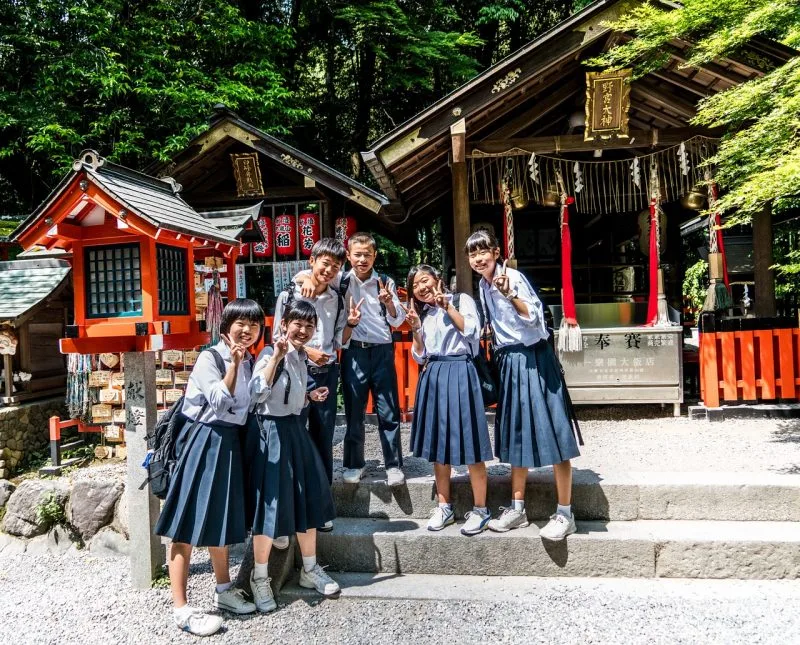
That also helps explain why Japanese school life remains such a strong setting in anime. It naturally contains hierarchy, ritual and emotional tension all at once.
Routine and seasonal rhythm give anime structure
Japanese culture places a lot of value on routine, seasonal awareness and recurring social rituals. Anime uses those rhythms constantly. School calendars, entrance ceremonies, festivals, sports days, exam periods, summer fireworks and graduation scenes all create emotional structure almost automatically.
| Cultural element | How it appears in anime |
| School calendar | Exams, festivals, graduation |
| Seasons | Cherry blossoms, rainy season, summer fireworks |
| Daily routine | Commuting, lunch, club activities |
These repeated patterns make stories feel grounded. Even when the plot becomes fantastic, the emotional rhythm still feels familiar and lived-in.
Mono no aware gives anime its bittersweet side
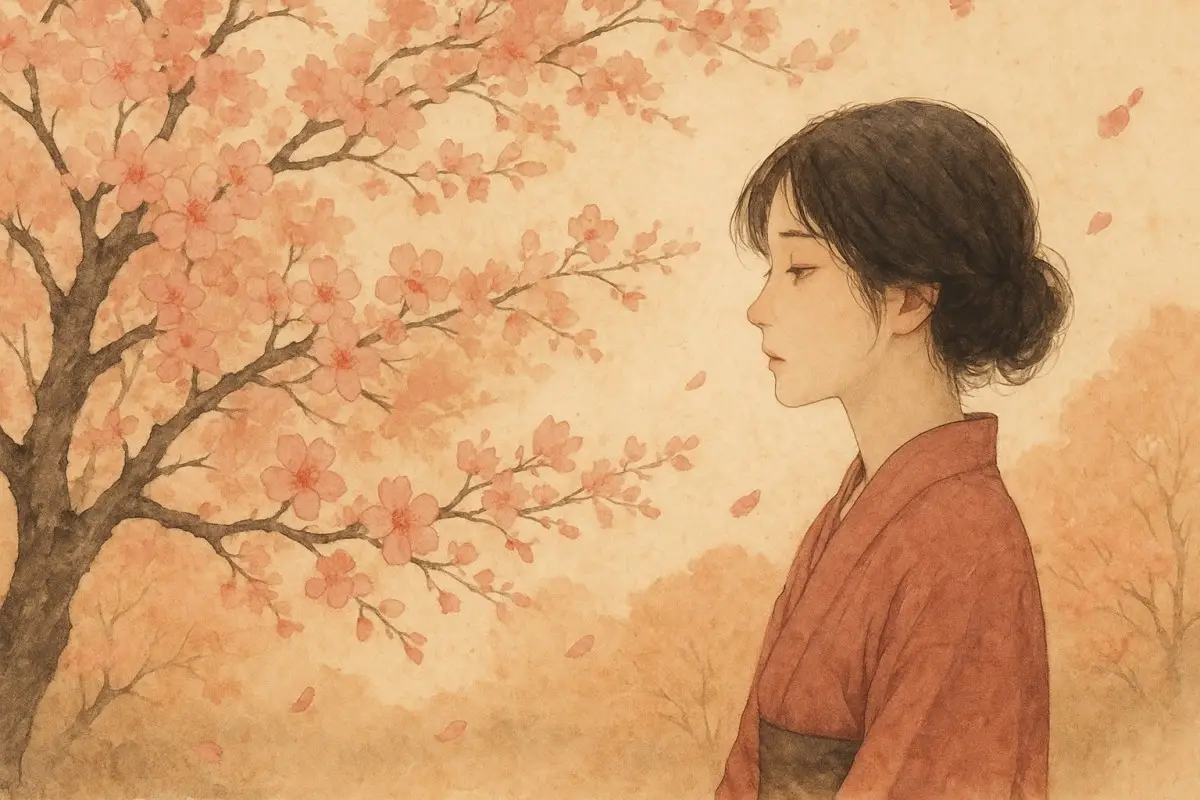
One of the most important Japanese aesthetic ideas behind anime is mono no aware, the awareness that things pass and that part of their beauty comes from that impermanence. This helps explain why so many anime stories feel gentle, bittersweet or reflective even when they are not tragic.
Instead of aiming only for triumphant endings, anime often lingers on memory, nostalgia, change and the sadness of moments that cannot last. That emotional softness is one of the reasons certain endings stay with people for so long.
Quiet struggle is often more important than loud conflict
A lot of anime focuses on internal pressure rather than only external drama. Characters worry about disappointing others, failing expectations, losing face or not living up to what is asked of them. This reflects real cultural pressures tied to school, work and responsibility in Japan.
That is why persistence, effort and quiet endurance show up so often as virtues. Characters may not always win because they are the strongest. Sometimes they win because they keep going without breaking.
Spirituality appears as atmosphere, not dogma
Anime often includes spirits, shrines, sacred spaces and unseen presences, but usually not in the same way religion appears in more doctrinal storytelling traditions. Influences from Shinto and Buddhism tend to show up as atmosphere, coexistence and balance rather than strict theology.
This is why the supernatural in anime often feels close to everyday life. Spirits may be mysterious, but they are not always framed as distant or absolute. They coexist with human routine, memory and nature.
Why this still resonates globally
These cultural elements are specific, but the emotions they carry are not. Belonging, growth, obligation, loss, nostalgia and identity travel easily across borders. Anime often feels different not because it is harder to understand, but because it gives emotional weight to things that some other storytelling traditions treat more lightly.
That is part of why anime can feel quietly profound even when the premise itself seems simple.
Final thoughts
Japanese culture does not just decorate anime stories. It shapes their foundations. Group harmony, hierarchy, seasonal rhythm, impermanence and understated spirituality all help explain why anime often moves differently from Western storytelling.
Once you recognize those layers, anime stops looking like just a style of animation and starts looking more clearly like cultural storytelling in motion. For readers who want to go further, learning how to appreciate Japanese culture makes many of these patterns even easier to notice.


Community
Comments
0 comments
There are no published comments in this language yet.
Send comment