
A Japanese payslip can look deceptively tidy: a gross salary at the top, a smaller deposit at the bottom, and several deductions in between. The important distinction is that not every deduction is a tax. Income tax and resident tax sit beside compulsory health and pension contributions, while consumption tax follows you into ordinary purchases.
There is no honest single percentage for what a person in Japan pays each year. Income, household situation, municipality, age, insurance scheme, property, vehicle ownership and spending all change the result. This guide separates the recurring charges from the occasional ones, so the next bill is less likely to arrive as a surprise.
Contents 9
What most employees see first
For an employee, the starting point is gross pay. Income tax is generally withheld during the year, while health insurance, pension insurance and employment insurance are normally deducted through payroll. The amount that reaches the bank account is the net salary, not a universal measure of tax paid.
Resident tax is the deduction that catches many new residents off guard. It is based largely on the previous calendar year income, so someone who started earning in Japan may see a much larger deduction from the following June. Depending on the employer and municipality, it may be withheld from salary or paid through instalment notices.

Income tax — 所得税 (Shotokuzei)
Income tax in Japan is progressive: higher taxable income reaches higher brackets. Taxable income is not the same as the salary printed in a contract, because employment deductions, dependent allowances, social-insurance contributions and other eligible deductions can affect the calculation.
Many employees settle their position through the year-end adjustment handled by an employer. A final return, kakutei shinkoku (確定申告), can still be necessary for people with certain additional income, rental income, side work or circumstances that are not covered by that adjustment. Residency status and the source of income matter, especially for people with overseas connections.
Resident tax — 住民税 (Jūminzei)
Resident tax is a local tax paid to the municipality and prefecture or metropolitan area. It is often described as roughly 10% of taxable income, but the final bill also depends on local rules and flat components. Its timing matters as much as its rate: the charge usually reflects the prior year rather than the salary of the current month.
This is why a move, a job change or a first full year of work in Japan can make the next summer feel expensive. Keep the notices, check the due dates and include the coming resident-tax bill in a budget before comparing two job offers by net pay alone.
Health insurance and pension: compulsory, but not income taxes
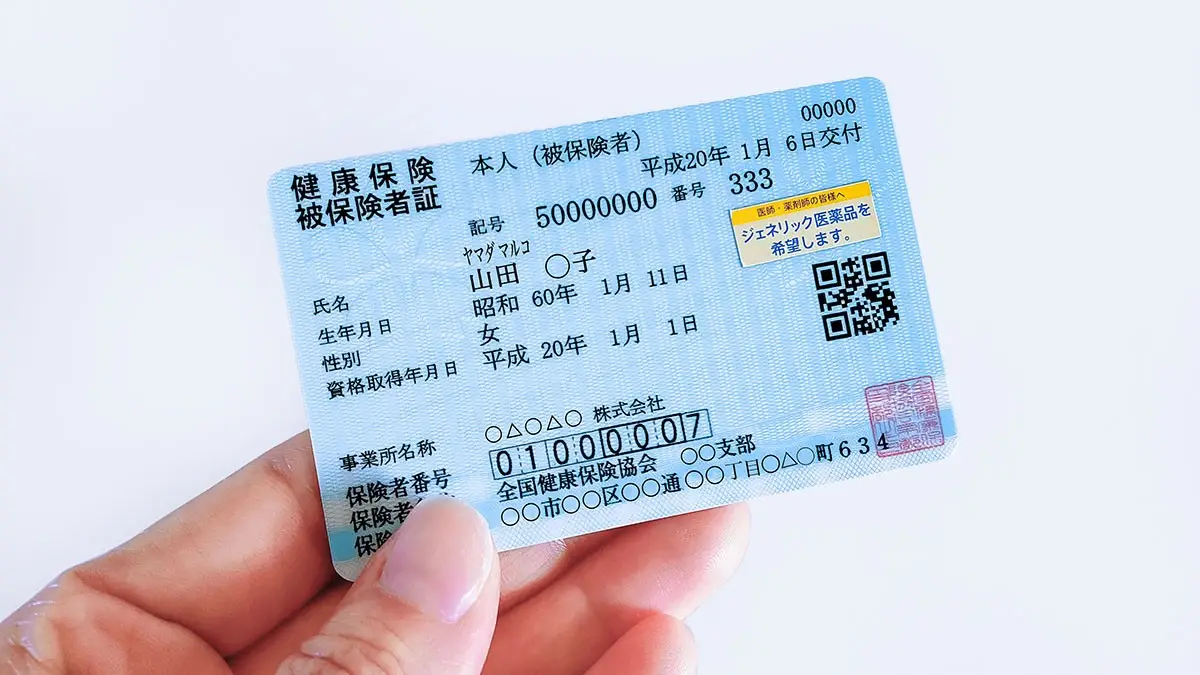
Japan has public health-insurance and pension systems. Employees are generally enrolled through work, while self-employed people and others may use National Health Insurance and the National Pension system. The premium is not one fixed percentage for everyone: it can vary by insurer, prefecture, income, age and employment status.
For employees, the employer normally shares part of the cost of Employees Health Insurance and Employees Pension Insurance. Public health insurance commonly leaves a 30% co-payment for covered medical care, subject to the rules of the system. Pension coverage is wider than retirement alone; it can also relate to disability and survivor benefits. Foreign residents should not assume that nationality removes the obligation to enrol when they meet the conditions.
Consumption tax — 消費税 (Shōhizei)
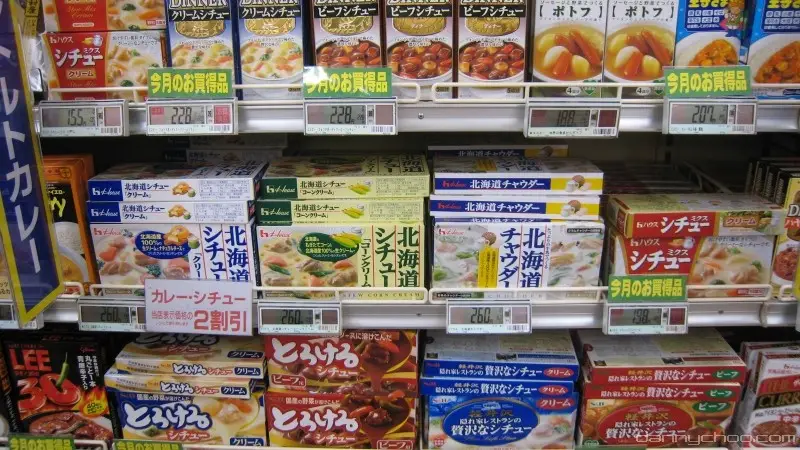
Consumption tax is built into daily spending rather than taken from a payslip. The standard rate is 10%. A reduced 8% rate applies to qualifying food and non-alcoholic beverages for takeaway or home consumption, as well as certain subscribed newspapers. Eating in a restaurant or convenience-store seating area is normally taxed at the standard rate.
Because this tax follows consumption, two households with similar salaries can feel it differently. Groceries, transport, meals out and larger purchases all affect the total. It belongs in a household budget, but it should not be added blindly to a percentage quoted for salary deductions.
Taxes connected to a home, car or asset sale
Owning real estate can bring fixed-asset tax (固定資産税, kotei shisanzei), generally assessed by the municipality on land and buildings. Buying a property can also trigger real-estate acquisition tax. The assessment value, the property type and temporary relief measures matter, so a headline purchase price is not the full cost of ownership.

Vehicle costs also need their own line in a budget. Annual automobile or light-vehicle tax depends on the classification of the vehicle, while inspection, insurance and purchase-related levies are separate costs. A car is therefore not a useful shortcut for estimating a typical tax bill for everyone.

Investment income, gifts and inheritances
Interest, dividends and gains from shares or property can be taxed under rules that differ from employment income. Withholding may apply in some cases, but the treatment can change with the type of investment, account and transaction. Anyone selling a home, receiving substantial investment income or using overseas accounts should check the relevant rules before assuming that a payroll adjustment closes the matter.
Gifts and inheritances have their own calculations, exemptions and rate schedules. The value of the assets, the relationship between people and the number of statutory heirs can change the outcome. A large transfer between relatives is not something to classify by intuition.


Import duty and recycling fees are different questions
Imported goods can involve customs duty, consumption tax and handling charges, depending on the item and its value. Large appliances and electronics may also require a recycling fee when they are disposed of. Those charges can be real and unavoidable, but they are not a general annual tax on every resident.
How to estimate your own yearly cost
Start with three layers instead of one dramatic percentage. First, list what is withheld from each payslip: income tax and social-insurance contributions. Second, check when resident tax will start or change, because it follows prior-year income. Third, add the consumption tax embedded in spending and the conditional costs of a car, home, investments or a major transfer.
If a final return may apply, read the requirements before the filing season rather than after a deadline. Our guide to the Japanese income tax return explains the process, while the overview of the health system and hospitals in Japan helps put the insurance deduction in practical context. For a personal calculation, current local notices and official guidance are more useful than a national average.







Community
Comments
0 comments
There are no published comments in this language yet.
Send comment