
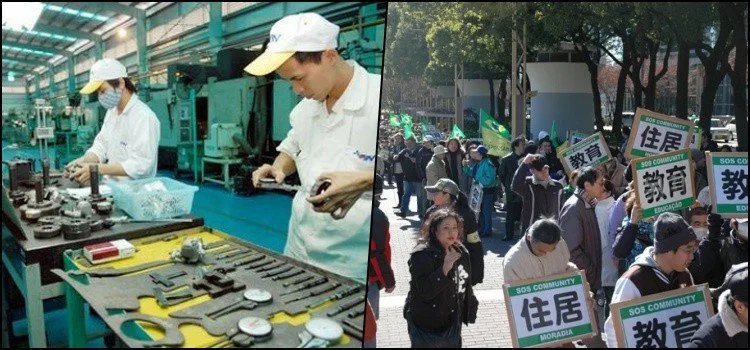
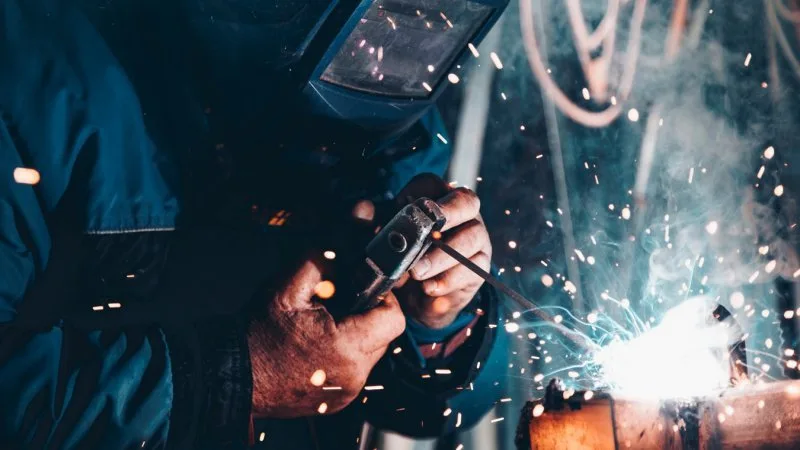
Many people believe that living in Japan is all about working in factories and pulling endless overtime shifts. For a large share of Brazilians, that is the daily reality, and many have grown used to it. But plenty of us did not move to Japan just to stand on a production line. So is it really possible to live and work in Japan without ending up in a factory? In this article we will look at the opportunities, the qualifications that open doors, and the practical challenges behind a different path.
Contents 6
Japan, a land of opportunities
For some, Japan truly is the land of opportunity. There is nothing wrong with working in a factory: the pay is fair, and sometimes the work is even lighter than what is available in Brazil. Some Brazilians had a comfortable life back home and still chose the factory line, while many others back in Brazil work extremely hard for very little money. That is why it is not useful to complain about your situation in Japan: when you first arrived, you almost certainly had to start from the bottom.
On many factory contracts, hourly pay for comparable hours can match a junior office job. The trade-off is usually the physical effort and a thinner career ladder. In Brazil, building a successful life usually means studying hard, going to college, specializing, and being communicative and driven. The same is true in Japan: to thrive, you need solid Japanese, some education, and a clear sense of what you bring to the table. You will be competing with Japanese candidates and with foreigners from all over the world who want a place in the Japanese market, and you will need to navigate cultural differences and accept the local way of doing things.
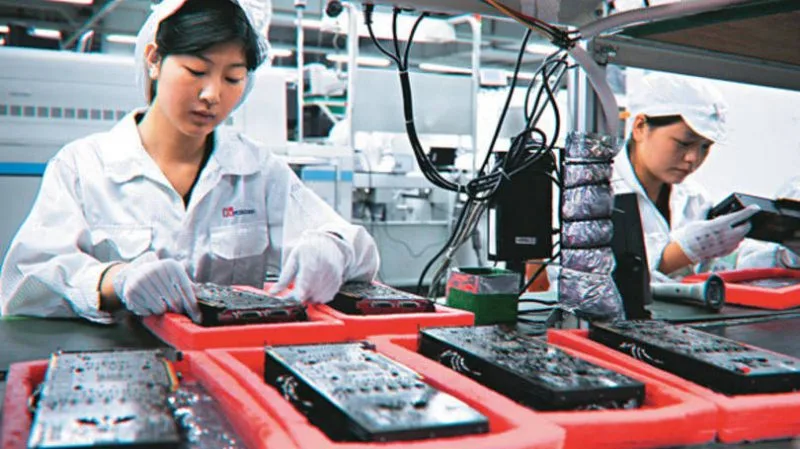
Job opportunities outside of factories
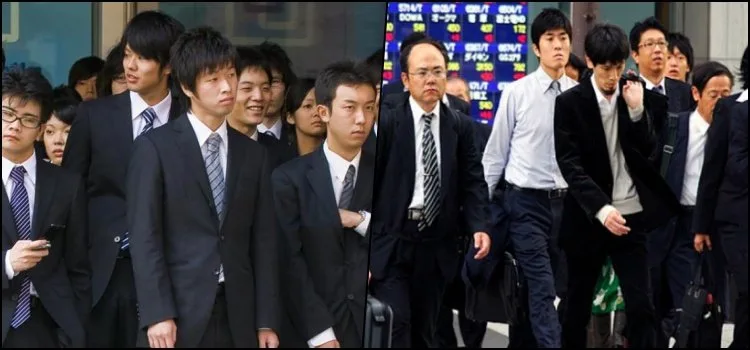
If you can speak Japanese at a professional level, your chances of landing an office or corporate job grow enormously. If you also hold a university degree, they double. Adding English helps even more, because many Japanese workplaces still run almost entirely in Japanese.
It is a myth that Brazilians spend their entire lives in factories. Many people, including young workers without a degree, manage to find jobs in convenience stores, restaurants, supermarkets, and a long list of other businesses. It is very common to see foreigners of all profiles working in restaurants and small franchises. Japan receives millions of tourists every year, and the service industry is always on the lookout for people who can communicate in different languages. Whether you can take that shop or restaurant job depends on your status of residence. Permanent residents, spouses of Japanese nationals, and many descendants on long-term resident status can change jobs. A professional work status is tied to a field, and a tourist stay does not allow paid work.
The hard truth is that job boards and recruiters are full of openings for foreigners who are fluent in Japanese and hold a degree. There are opportunities in many areas: you just have to put in the effort and show a company why you are worth hiring. There are even foreigners who teach snowboarding in Japan for a living.

Start your own business
Another way to live in Japan without working in a factory is to start your own venture. Many Brazilians in Japan run their own business today: YouTubers, website owners, restaurant owners, importers, online sellers, freelancers, and even founders of formal companies in Japan.
If you already run a business in Brazil, you can sometimes bring it to Japan, but the Business Manager status now demands a real company, not a paper shop. Since 16 October 2025, immigration has required a much larger capital base, a dedicated office, at least one qualifying full-time employee, Japanese ability in the company, and a business plan reviewed by a licensed professional. The biggest advantage of working for yourself, when the status actually fits, is being able to set your own schedule and make time to enjoy everything Japan has to offer.
Areas where foreigners do find work include:
- Engineering
- Office / back-office work
- Information technology
- Investment banking
- Language teaching
- Sales
- Recruiting
- Acting and entertainment
- Modeling
- Software engineering
The real challenges
Many people insist that foreigners cannot work outside of factories, usually because that has been the experience of some Brazilians in Japan. Rumors and generalizations quickly spread: that it is impossible, or extremely difficult. The trouble is that people often discourage others who want to chase different goals, forgetting that every person has a different reality, different circumstances, and different resources.
Others claim that there is open discrimination against foreigners. Of course discrimination exists in every country, but it is often exaggerated when talked about online. Some people argue that only descendants of Japanese (nikkei) can land non-factory jobs, but my impression is the opposite: I have the feeling that descendants actually face more discrimination than other foreigners, because the Japanese expect them to speak the language and follow the local culture. When a foreigner does this, it is celebrated; when a nikkei does it, it is taken for granted, and any misstep is read more harshly.
Most of the people stuck on the factory line did not invest in learning Japanese, and many do not have a higher education in any field. That does not make them failures. Not going to college is a personal choice and can absolutely be a successful one. But the lack of credentials makes a non-factory path much harder. Without education, you can still achieve your goals in Japan, but you will need patience, persistence, and a clear plan to keep moving forward.

Friends who live in Japan without working in factories
I have several friends in Japan who never set foot in a factory. One of them is my good friend Rodrigo Coelho, who recorded two videos about how he ended up in Japan and how to get a job there without being of Japanese descent. The videos are great starting points if you want to hear the story from someone who has actually done it.
You can find those videos on his YouTube channel, Coelho no Japão. Search for Rodrigo Coelho's "como ir para o Japão" series.
Don't give up
The biggest mistake is listening to people who say it cannot be done. If I had listened to those who told me it was impossible to make a living online, or that someone like me would never be able to visit Japan, I would not have achieved either of those dreams.
Most of the time, what you hear from others is just the echo of their own resignation. They could not do it and they gave up. Do not follow the same path. Do not give up, and stop listening to negative thoughts.
If you are determined to find a job outside of factories, take a look at our detailed guide in the link below. If the real wall is ancestry rather than the production line, start from the routes that do not depend on Japanese descent. Share it with friends who might also be chasing the same dream: the more of us who make it, the easier it gets for the next person.



Community
Comments
0 comments
There are no published comments in this language yet.
Send comment