
When you enter the world of Japanese idols for the first time, your eyes usually go to the stage: the music, the smiles, the “cute” aesthetic that anyone can spot from the outside. Things get more interesting when you look down into the crowd. A pattern shows up that is hard to miss. Most of the fans are not teenagers. They are adult men, many of them well over 40.
This group is known as Idol Wota (ヲタ). They have been around for decades, they keep the Japanese idol industry financially alive, and they also represent one of the most uncomfortable parts of Japanese pop culture. Understanding who these fans are and how they behave goes a long way toward understanding why the topic is debated so intensely, even inside Japan.
Contents 6
What exactly is an Idol Wota?
“Wota” (ヲタ) is the label given to the most devoted fans of Japanese idols. The word is simply a short form of Otaku (おたく), and it means more than just someone who streams the music or follows the group on social media. A wota goes to small live shows, buys multiple versions of the same single, attends handshake events, and knows every detail of their favourite idol’s career.
Standard behavior in the crowd usually includes:
- synchronized shouting during the songs,
- choreographed moves that the whole audience performs together,
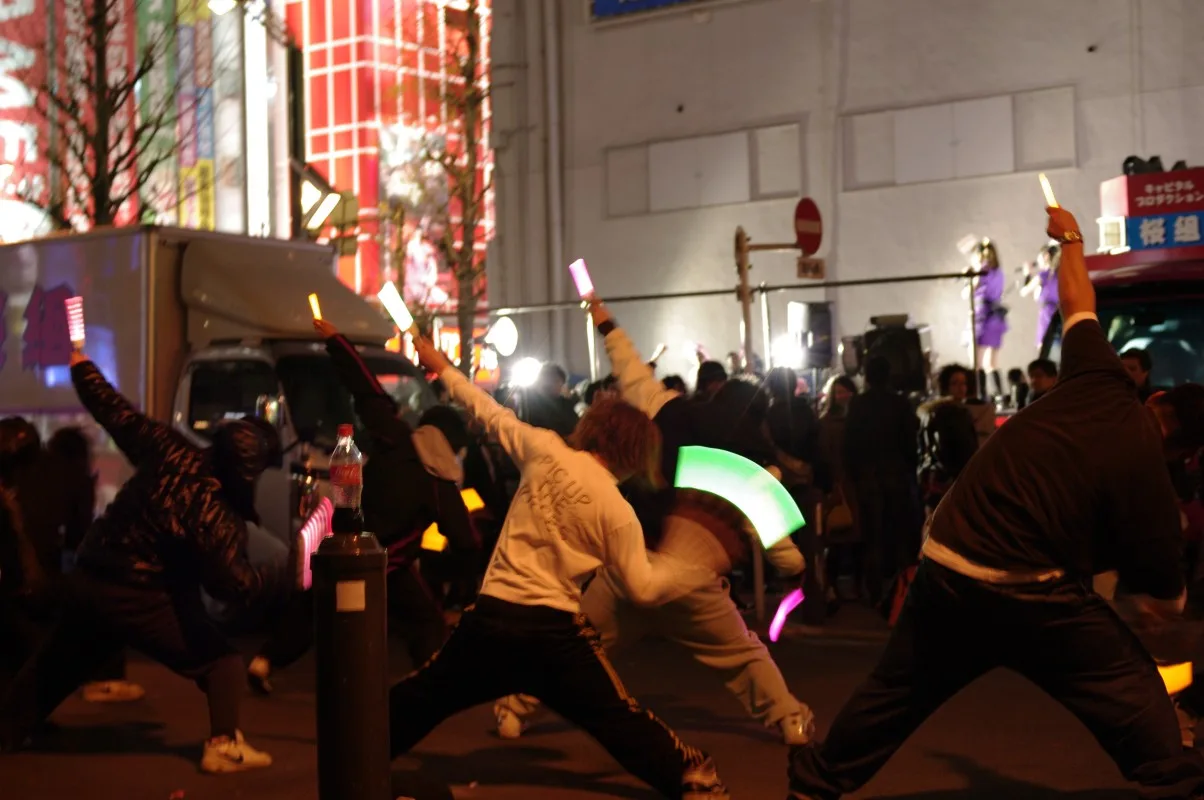
- glow sticks in the colours of the idol group,
- hours of waiting in line for a few seconds of personal contact.
On its own, that could just be an intense but normal kind of fandom. What changes the picture is who is standing in that audience.
The age of Idol Wota
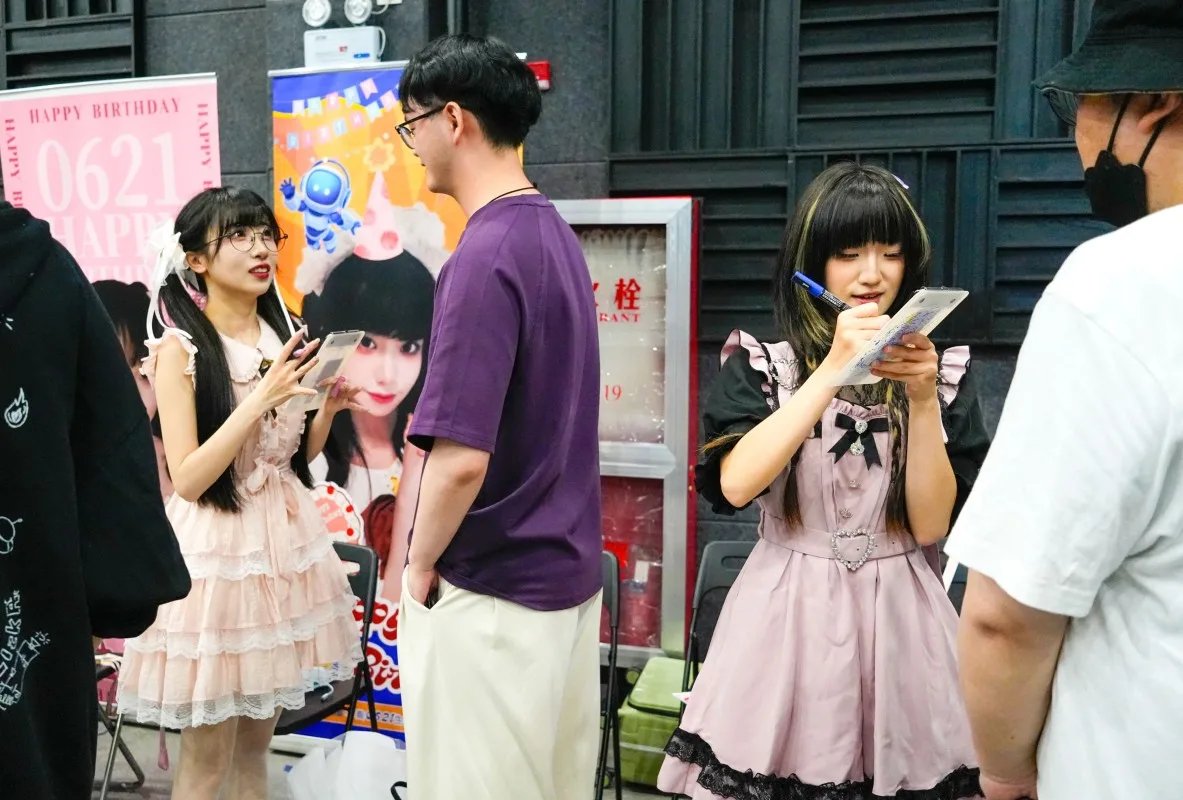
If you go to idol shows regularly or look at photos of the audience, a pattern shows up that is hard to argue with. Most wota are not young. They are men in their forties, sometimes in their fifties, following idols who have only just reached adolescence themselves.
In forums, on social media, and in newspaper pieces that keep resurfacing, that age gap is treated as a central issue. The question is almost inevitable: Why are so many adult men interested in girls this young?
When you ask wota themselves, the answers sound surprisingly similar. They talk about admiration for the hard work the idols put in, about enjoying watching them grow, and about the relationship being sincere support rather than attraction. They insist they want to encourage, not desire.
That self-image has been around for years. Not everyone shares it.
The audience behavior: wotagei
The most visible signature of the wota is the shared choreography of the audience, called wotagei (ヲタ芸). Arms, fists and glow sticks move in sync with cues that the idol group itself sets. At first glance, it looks like a polished performance, almost a silent dance behind the main act.
Outside the scene, though, the wota enjoys very little social status. The usual image is that of an outsider who does not quite fit into society. In comedy skits and on TV, the figure keeps coming back as a caricature: exaggerated gestures, loud shouting, and behavior that sits somewhere between passion and obsession.
Among Japanese women, the skepticism is often even stronger. Many find the whole setup strange, not just because of the age gap, but because of how female youth is staged as something you admire, protect and consume at the same time. In online discussions, comments like “it feels unhealthy” or “it is unsettling” come up again and again.
The economic side of Idol Wota
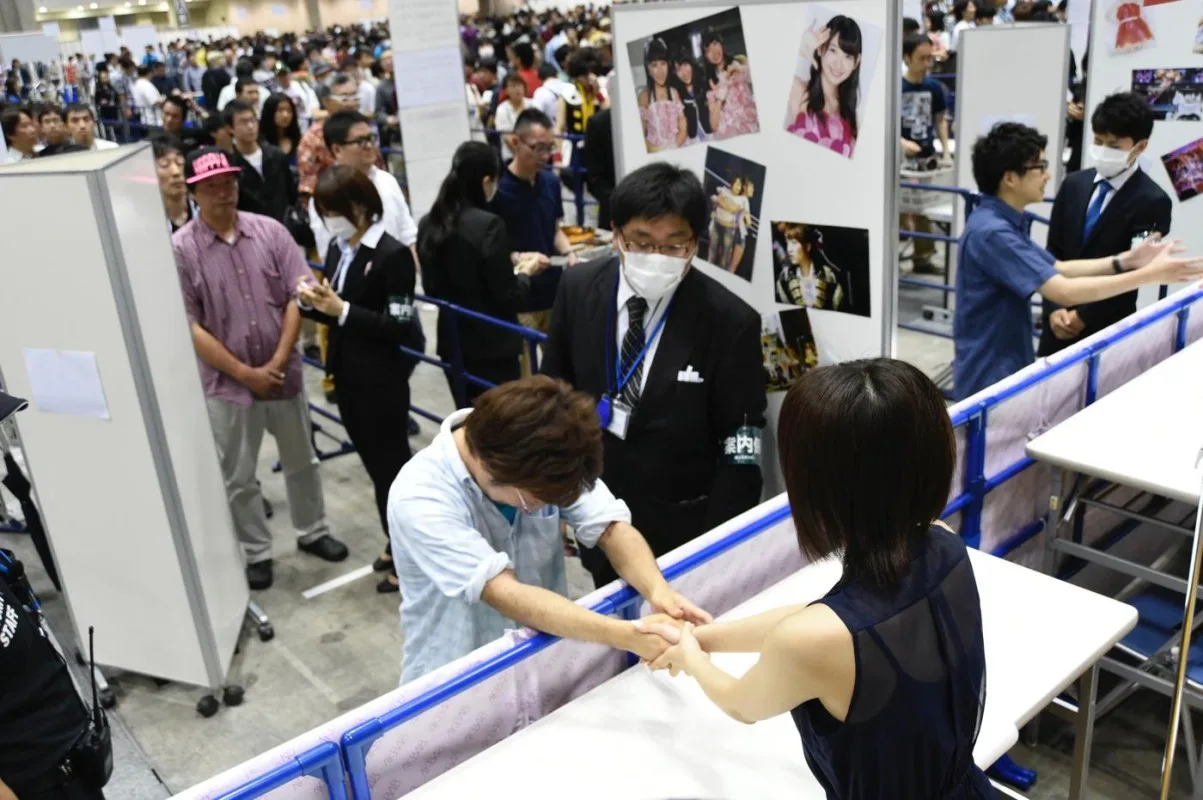
Here a contradiction shows up that is not easy to resolve. Socially, wota behavior is regularly criticized. Economically, that same group carries an entire industry. Without them, many groups would simply not survive. CDs are deliberately released in different editions, because loyal buyers purchase several versions to maximize their voting power in election events or in meet-and-greet lotteries. A financial dependency builds up from that mechanism, and it is rarely discussed out loud.
At the same time, the idol industry sells an image of purity in its official discourse. Idols are presented as innocent, dreamy and emotionally approachable, while remaining romantically untouchable. Romantic relationships are forbidden by contract, and the image has to be preserved. In practice, that innocence becomes a product. The package includes heavily staged photo shoots, outfits that are deliberately designed to look very young, and song lyrics about first feelings, emotional dependency and exaggerated shyness.
The aesthetic is aimed at an adult audience that romanticizes youth, vulnerability and purity, even if no one ever puts it that openly. It would be unfair to claim that every single wota has problematic intentions. It would be just as dishonest to pretend that there is no commercialization of teenage ideals built into this system.
Why this phenomenon is different
For a long time, Japanese media preferred to step around the topic. It was uncomfortable, and it also touched a huge market. That silence started to crack, not least through documentaries like Tokyo Idols (2017) by Kyoko Miyake, which shows how lonely men project affection, expectations and even a sense of purpose onto girls who are still figuring out who they are.
Outside Japan, the reaction is often even more direct. To many foreign observers, the dynamic simply does not look acceptable. The culture shock sets in quickly, and the “cute” aesthetic does little to soften the unease.
As long as they are active, the idols themselves rarely speak up. Their contracts demand a permanent smile, constant gratitude and total silence about any discomfort. Once they leave the industry, some of them do speak. The tone changes then: stories about the constant fear of obsessive fans, about the pressure to please older men, about the feeling of being watched all the time, and about how hard it is to experience anything close to a normal adolescence.
Not every former idol paints the wota as villains. Some openly talk about genuine support they received. Others make it clear that the relationship was never as harmless as it looked from the stage.
Legitimate support or normalized obsession?
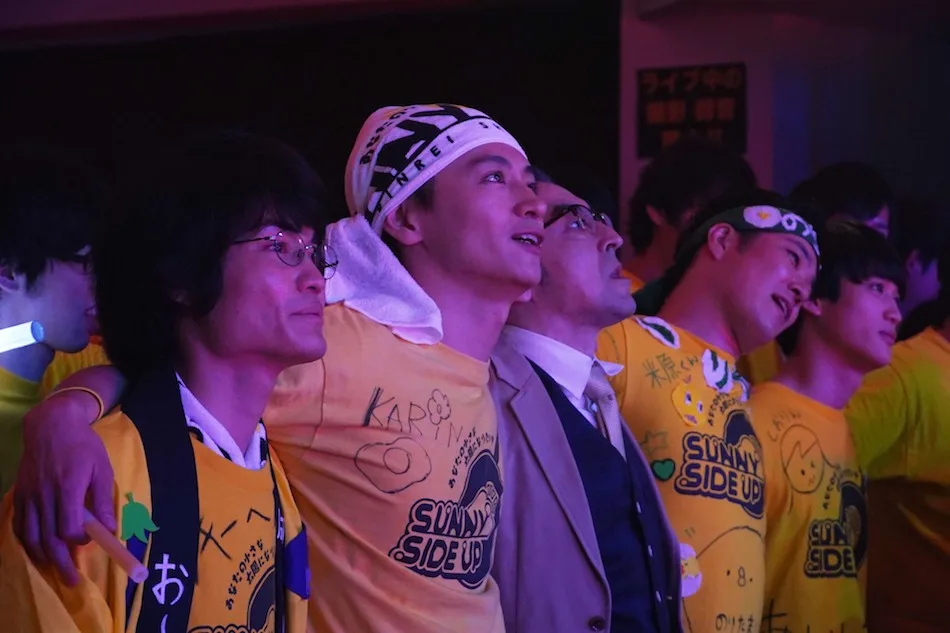
The idol wota is a deeply contradictory figure. He keeps groups economically alive, builds community, and gives young performers a real chance at a career. At the same time, he is part of a system that makes money from the idealization of female youth and normalizes emotionally uneven relationships.
This is not about demonizing individual fans. It is about being honest that several things go wrong in this model, especially when most of the paying audience is an audience of very young women.
Liking Japanese culture does not mean accepting everything about it uncritically. On the contrary. Looking carefully and asking difficult questions is itself a form of respect for the people who work inside this system.





Community
Comments
0 comments
There are no published comments in this language yet.
Send comment