
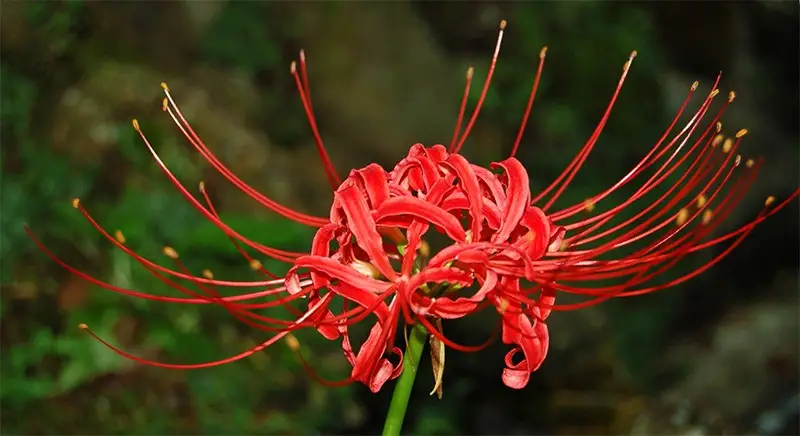
Higanbana (彼岸花) is the Japanese name most often used for Lycoris radiata, the red spider lily. Its scarlet blooms arrive around the autumn equinox, when roadsides, riverbanks, fields, and temple grounds can suddenly look as if they have caught fire. In Japan, that timing gives the flower a lasting connection with higan, the equinoctial period when many families remember their ancestors.
The flower’s visual drama explains why it appears so often in stories, illustration, and anime. Yet higanbana is not a single fixed omen. Depending on the setting, it can suggest a farewell, a change of season, a warning, remembrance, or simply the striking return of autumn color.
Contents 7
What does higanbana mean?
The word higanbana is usually understood as “flower of higan.” Higan (彼岸) literally refers to “the other shore,” and in everyday Japanese it is closely associated with the spring and autumn equinox observances. Because the red spider lily blooms in early autumn, “flower of the autumn equinox” is a useful way to understand the name in context.
That seasonal link matters more than a one-line translation. During autumn, higanbana can turn an ordinary path or field edge into a vivid red scene. The contrast between a short flowering season and the quieter landscape around it helped the flower become associated with impermanence, parting, and the boundary between one moment and the next.
Why is the red spider lily connected with death?
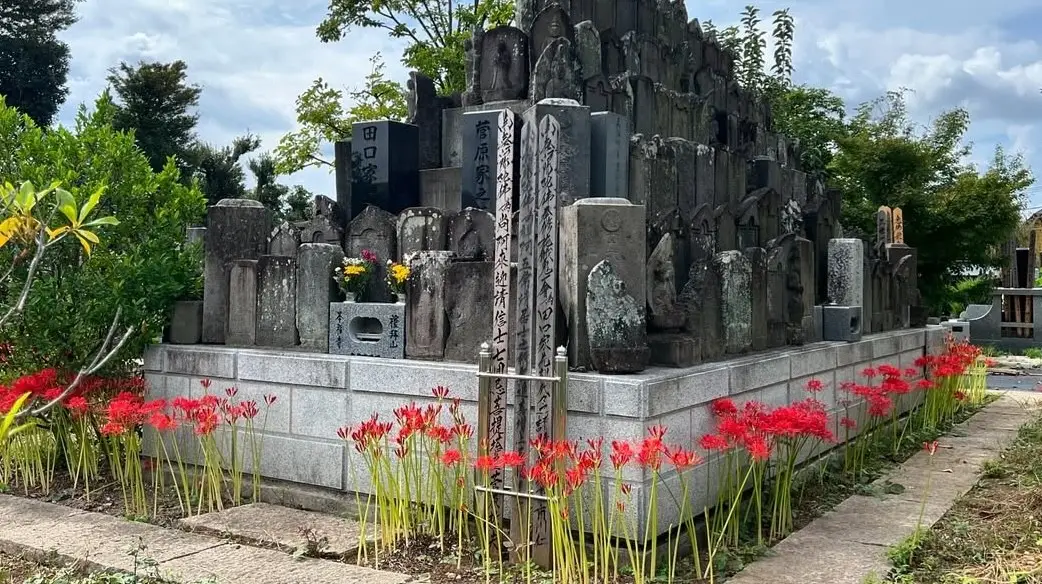
Higanbana is often seen near cemeteries and graves in Japan, so death is one of its strongest popular associations. Its red color, leafless flowering stems, and brief appearance have all encouraged that reading. Folklore is not a rulebook, though: the same flower can also be used to evoke memory, a seasonal turning point, or a dramatic landscape.
There is also a practical side to the association. The bulbs are toxic and should not be eaten or treated as a home remedy. They have been planted around fields and graves, where their toxicity may help discourage animals from digging. That practical use sits beside the legends rather than replacing them; the flower’s reputation grew from both the places where people encountered it and the stories they told about it.
Leaves and flowers never meet
One of higanbana’s most memorable traits is its growth cycle. The flowers rise on bare stems, while the leaves appear at another point in the cycle rather than sharing the plant with the blooms. This is the idea behind the well-known saying:
葉は花を見ず、花は葉を見ず
Ha wa hana o mizu, hana wa ha o mizu.
The leaves do not see the flowers; the flowers do not see the leaves.
It is easy to see why this line travels so well. It gives the plant an image of two things that belong together but never meet, which makes it useful in poetry, visual storytelling, and scenes about separation. The saying does not need a supernatural explanation to be effective; the plant itself provides the image.
Japanese names for higanbana
Higanbana has many regional and popular names, and the darker ones show how strongly the flower is tied to folklore. You may encounter:
- Manjushage (曼珠沙華), a name with Buddhist associations;
- Shibitobana (死人花), literally “flower of the dead”;
- Yūreibana (幽霊花), “ghost flower”;
- Jigokubana (地獄花), “hell flower”;
- Kajibana (火事花), “fire flower,” inspired by petals that resemble flames.
These names are best read as cultural clues, not as a single official dictionary of meanings. A flower can acquire different nicknames from a region, a local warning, a Buddhist reference, or the particular shape people notice in its petals.
Higanbana in anime and visual storytelling
Anime uses higanbana because viewers recognize its silhouette immediately: long stamens, swept-back petals, and a field of intense red. It can signal that a scene has reached a dangerous or emotional threshold without stopping the story to explain it. Demon Slayer: Kimetsu no Yaiba, Hell Girl, and Dororo are among the series that have used the flower or its imagery.
The “blue spider lily” is especially familiar to Demon Slayer viewers. In that context, it belongs to the story’s mythology. It is better to separate that fictional symbol from a botanical identification: a dramatic flower in a series can borrow a real name while giving it a role that exists only within the plot.
If you enjoy tracking flower symbolism in scenes, compare higanbana with the terms in Hanakotoba, the Japanese language of flowers. Higanbana stands out because its meaning comes not only from color, but also from season, location, and its unusual growth cycle.

Is every red spider lily higanbana?
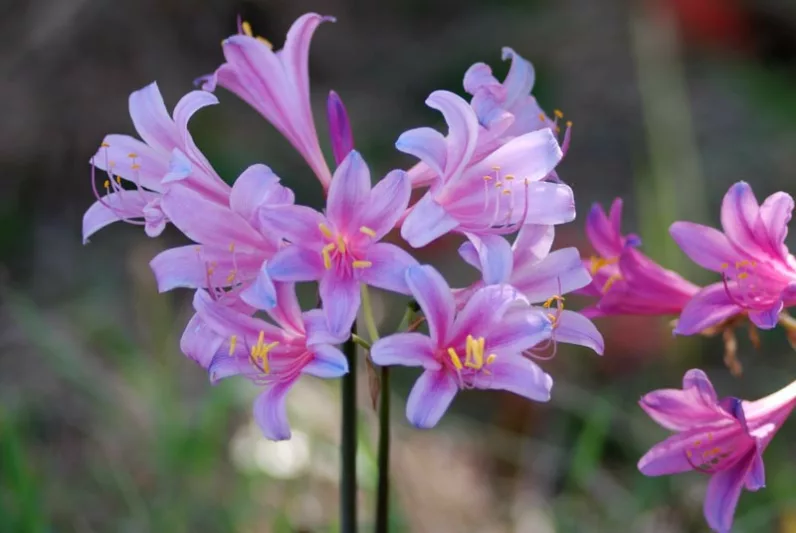
In Japanese cultural writing, “higanbana” commonly points to Lycoris radiata. The wider Lycoris genus includes other flowers with different colors and forms, so common names can become loose outside that context. When the discussion is about Japanese autumn scenery, equinox season, and the familiar crimson bloom, higanbana is the name readers usually mean.
For a quick visual reference, look for the leafless stem and the outward-curving petals and stamens. Then look at the setting: a cluster beside a path, field, or graveyard in autumn carries a different feeling from a similar-looking ornamental flower in a garden. That combination of plant, place, and season is what gives higanbana its place in Japanese memory.
What higanbana symbolizes
Higanbana can symbolize farewell, remembrance, loss, and a change in the seasons. None of those meanings cancels the others. A cemetery scene emphasizes memory; a riverbank covered in blooms can emphasize autumn; an anime scene can turn the same flower into a warning or an emotional turning point.
That flexibility is why the red spider lily remains so recognizable. It is a real autumn flower with a botanical name, but its cultural power comes from the way Japan’s landscapes, rituals, stories, and images keep giving it new scenes to inhabit.




Community
Comments
0 comments
There are no published comments in this language yet.
Send comment