
The JK Business is a controversial phenomenon in Japan that mixes an appearance of innocence with a dangerous background of exploitation. The acronym "JK" comes from joshi kōsei, which means "high school student." These businesses offer paid meetings and interactions with girls who appear to be in this age group — and often, they actually are. What may seem like a simple outing or conversation ends up exposing girls to serious risks.
The subject gained international attention because it shows a delicate combination: pop culture, youth vulnerability, and legal loopholes. Although in some cases the services are just conversations or walks, in others there is a clear sexual bias, making the practice a gray area that challenges authorities and child protection organizations.
Contents 5
What is the JK Business and how did it arise?
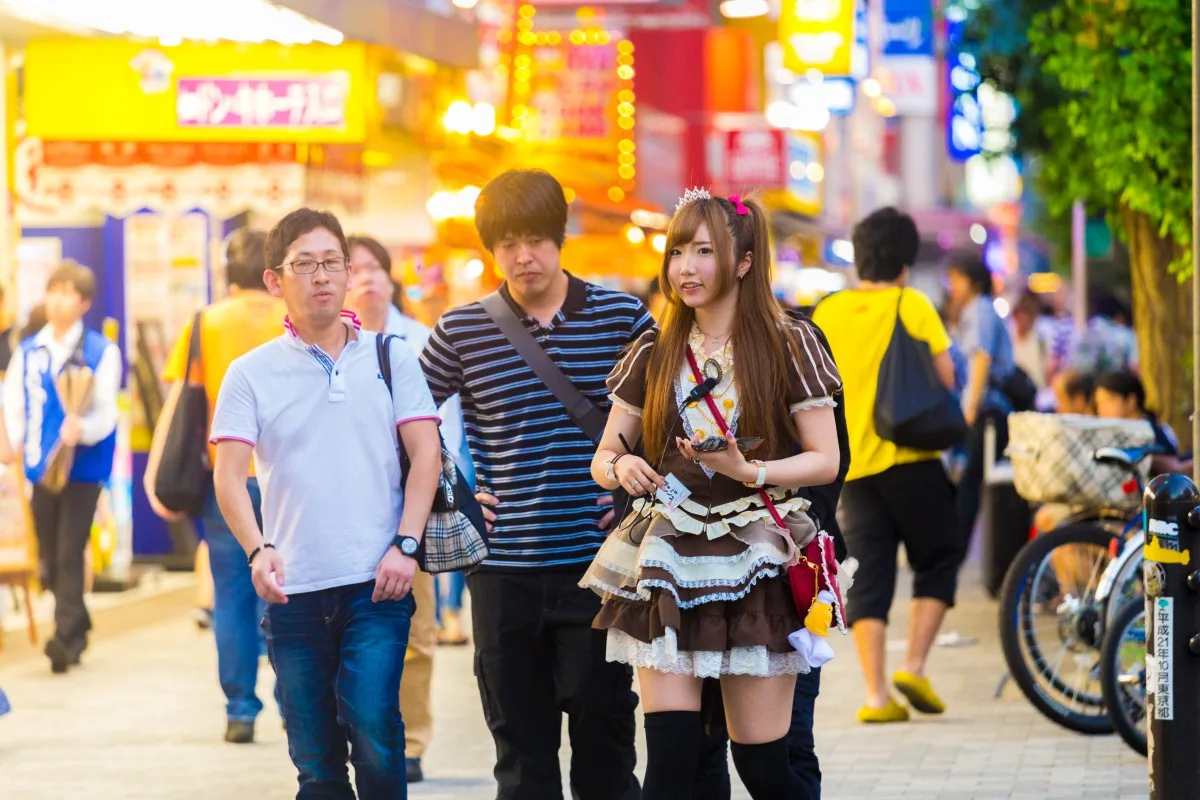
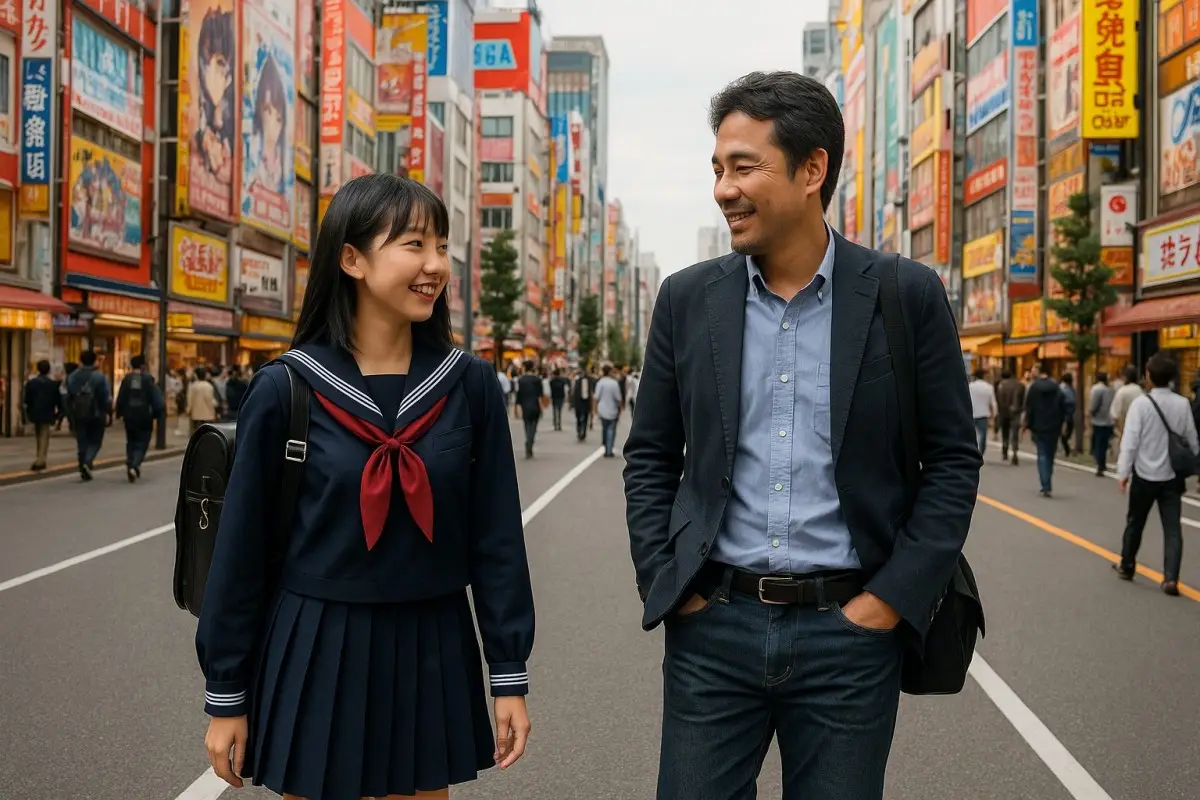
The term began to circulate in the mid-2000s, especially in neighborhoods like Akihabara in Tokyo, known for otaku culture. The initial idea was simple: customers paid to walk or talk with girls in school uniforms. Some shops called this "JK osanpo" (walk with JK) or offered reflexology services, where the young girls would massage the hands or feet of the customers.
This type of business grew after the popularity of maid cafés, taking advantage of the interest in personalized interactions and the visual associated with school students. The problem is that the boundary between entertainment and sexual exploitation began to blur, and soon cases emerged where interactions went far beyond what was initially promised.
How does the JK Business connect to sexual exploitation?
On the surface, many of these activities seem harmless. However, investigations show that it is common for these meetings to evolve into sexual proposals, especially when the girls are minors. This puts them in a position of vulnerability, not only due to legal issues but also emotional and psychological ones.
Experts point out that this environment attracts individuals seeking contact with teenagers, creating a gateway to exploitation and even human trafficking. The easy profit for intermediaries and the lack of effective oversight make the scenario even more dangerous for the young girls involved.
How has the Japanese government reacted?
The first relevant legal move occurred in Kanagawa Prefecture, which, in 2011, included the JK Business in youth protection laws. This served as a model for other regions, but the regulations were still fragmented and varied according to jurisdiction.
Only in 2017 did Tokyo approve stricter measures, such as requiring official registration for these businesses and prohibiting the hiring of minors under 18. Penalties also became more severe, including high fines and even imprisonment for illegal operators. In recent years, the national police have intensified awareness campaigns and enforcement operations, but the problem persists in tourist and entertainment areas.

What do experts and social organizations say?
Researchers describe the JK Business as a reflection of gender inequalities and the romanticization of female youth in Japanese pop culture. The fact that the school uniform is seen as a fetish exacerbates the situation, as it creates ongoing demand for this type of service.
NGOs like Colabo work by providing shelters and psychological support to girls who want to escape this cycle. Initiatives like the "pink bus" in Tokyo bring information and assistance directly to the neighborhoods where these businesses operate, offering concrete alternatives for those who want to escape.

Why is understanding the JK Business essential?
Discussing the JK Business is important for society to recognize signs of exploitation that may seem harmless at first glance. Without this awareness, harmful practices end up being normalized and even romanticized.
Furthermore, understanding the problem helps create more effective public policies that combine punishment for exploiters, support for victims, and preventive education for youth and families. It is a topic that goes far beyond Japan and serves as a global warning about the exploitation of minors in contexts disguised as entertainment.
The JK Business is a clear example of how an apparently innocent practice can hide deep risks. By understanding its origins, consequences, and the social response that has been built, it becomes easier to see that combating child exploitation depends not only on stricter laws but also on cultural change. Information and attention are the best weapons to protect those who need it most.




Community
Comments
0 comments
There are no published comments in this language yet.
Send comment