

Do Cup Noodles make you gain weight? Are instant noodles actually bad for you? Can they become a problem if you eat them too often? These questions come up all the time because this is one of the cheapest, fastest, and most accessible meals around.
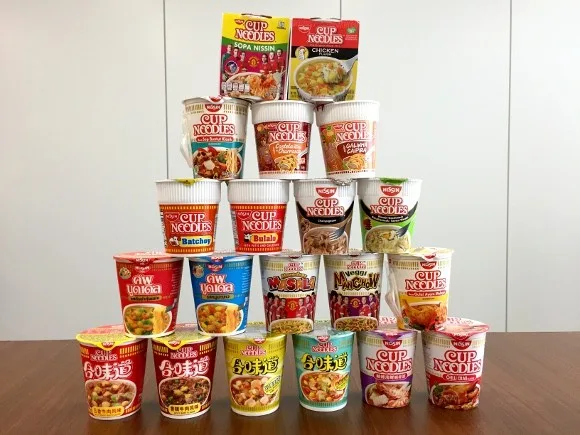
One thing is undeniable: instant noodles are one of Japan's most famous food inventions. They are practical, familiar, and easy to find almost anywhere in the world. In Japan, the variety is enormous, and many versions are much more interesting than the basic products sold elsewhere. If you want to see that side of the story, it is worth checking our article about the different Cup Noodles flavors in Japan.
Still, convenience should not be confused with quality. Just because something comes from Japan or has a few vegetable bits inside does not automatically make it healthy. Like most processed foods, instant noodles make more sense as an occasional shortcut than as a daily habit.
Contents 6
How Cup Noodles and instant noodles began
Instant noodles were invented in 1958 by Momofuku Ando, the founder of Nissin. His idea was simple and brilliant at the same time: create something affordable, quick to prepare, and easy to store for long periods.
Later, the concept evolved into Cup Noodles, which made preparation even easier. Instead of using a pan, people only needed hot water, a few minutes, and the cup itself. For busy workers, students, and anyone trying to save time, that was a huge advantage.
That practicality helped the product spread far beyond Japan. Over time, instant noodles became part of daily life in many countries, and in Japan they also became a cultural icon linked to convenience, postwar innovation, and modern food habits.
Why are Cup Noodles considered unhealthy?
The main issue is not that one cup is somehow catastrophic. The real concern is the nutritional profile of many instant noodle products. To make them cook quickly and last longer, the noodles are often fried, and the seasoning packets usually contain a lot of sodium, fat, and additives.
Sodium is the part most people should pay attention to. A diet that is constantly high in sodium can contribute to blood pressure problems and other health issues over time. Many instant noodle cups also deliver calories without much fiber, protein, or nutritional depth, so they fill you up fast without being especially satisfying in the long run.
There is also a lot of fear around MSG. Some concerns are exaggerated, but the broader point is still valid: heavily processed seasoning blends are not the same thing as building a meal with fresher ingredients. If you want more context, we also have a separate article about monosodium glutamate and Ajinomoto.

Are Cup Noodles dangerous or just overcriticized?
It helps to stay realistic here. Eating Cup Noodles once in a while is not the end of the world. The problem starts when this kind of meal becomes routine and replaces better options too often.
That is where the discussion usually gets messy. Some people talk about instant noodles as if they were poison, while others act as if there were no downside at all. The truth sits somewhere in the middle. They are convenient, cheap, and useful in certain situations, but they are not a strong nutritional foundation.
Price also matters. Many people choose instant noodles because they are fast and affordable, especially students, overworked adults, or people living on a tighter budget. That is why it makes more sense to discuss balance and better choices instead of fear alone.
Smarter alternatives to instant noodles
If you like the convenience, there are still ways to make instant noodles less rough nutritionally. One of the easiest tricks is to use only part of the seasoning packet and add your own ingredients instead.
Eggs, mushrooms, green onions, tofu, and vegetables already make a noticeable difference. You can also season the broth more naturally with miso or soy sauce. If that sounds more appealing, our article on miso soup and misoshiro is a good place to start.
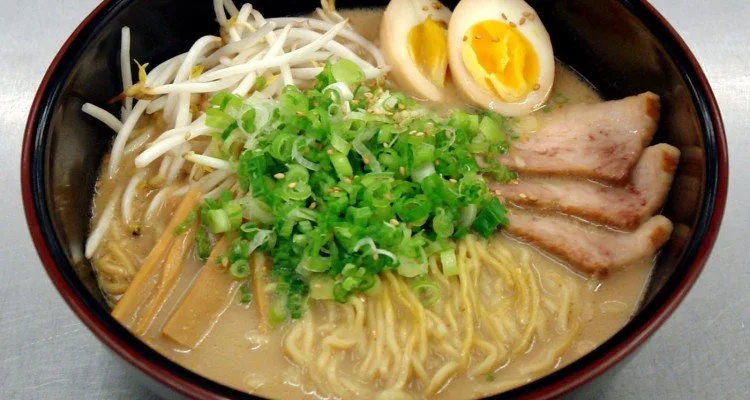
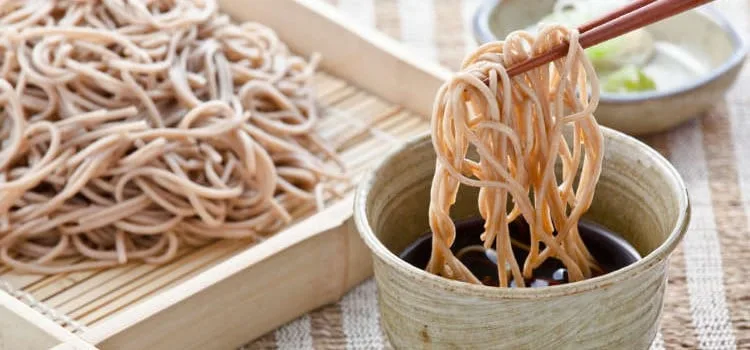
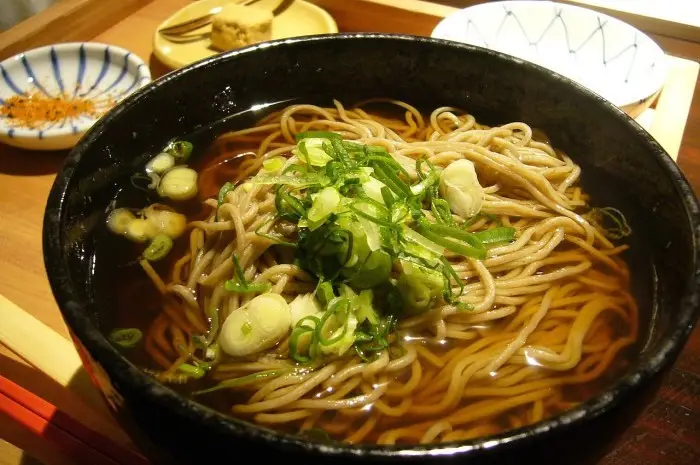
And if what you really want is a better noodle experience, fresh dishes are usually more rewarding. A proper bowl of ramen, udon, or soba gives you much more control over ingredients, texture, and flavor.
Why Cup Noodles remain so popular in Japan
Even with all the criticism, Cup Noodles remain hugely popular. That is not just about price. It is also about speed, nostalgia, variety, and the comfort of having something easy on a busy day.
Japan also turned instant noodles into more than simple fast food. There are limited editions, regional flavors, collaborations, and even the Cup Noodles Museum. That gives the product a cultural weight that goes beyond nutrition alone.
That contrast is probably what makes the topic so interesting: Cup Noodles are both industrial convenience food and a small symbol of modern Japanese everyday life.
So, should you avoid Cup Noodles?
You do not need to eliminate them completely. It is just better to see them for what they are: a convenient processed meal that works occasionally, but should not become your normal standard.
If you enjoy them, the smartest approach is moderation. Eat them sometimes, improve them when you can, and rely more often on fresher meals when you have the option.
What matters most to you with instant noodles: taste, price, speed, or health?



Community
Comments
0 comments
There are no published comments in this language yet.
Send comment