
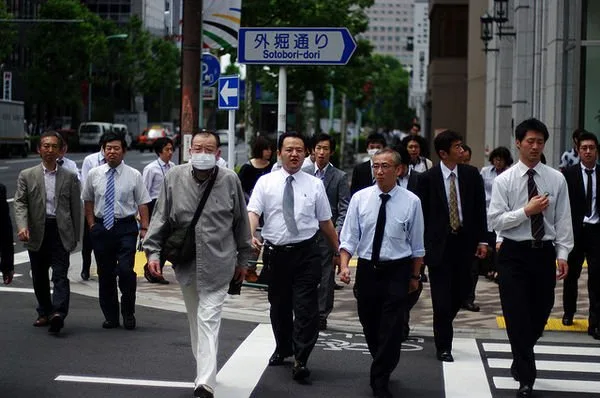
Japan is famous for wallets returned with cash still inside and for a public image of strict honesty. That reputation is real in everyday life—and still sits next to political tearful press conferences, public money spent on game consoles, and construction shortcuts that put people at risk. Corruption here rarely looks like open street bribery. It shows up in factions, contracts, and quiet favors that explode only when the press digs deep.
The scandals below are some of the cases that shaped how Japanese politics, bureaucracy, and business get talked about—from Lockheed and Recruit to earthquake-safety fraud and the more recent party-funding fights. Alongside them sit practices like amakudari (天下り) and bid-rigging that help explain why the clean image never told the whole story. If you want the other side of the coin, the piece on everyday honesty in Japan is a useful contrast.
Contents 13
Is corruption rare in Japan?
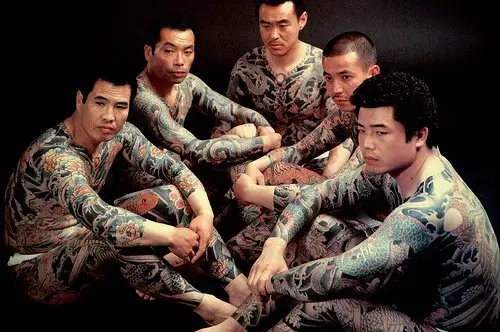
Compared with many countries, Japan’s street-level and small-scale graft is less visible. Investigation and punishment mechanisms exist, and the law on bribery can be strict. Even so, schemes still appear—sometimes tied to companies, local construction networks, or organized crime circles such as the yakuza.
Cases that do surface often hide in paperwork rather than in open envelopes: falsified inspections, shell arrangements, misuse of public assets, or contracts steered before a fair contest. That is why Japan can look exceptionally orderly day to day and still produce national political crises every few years.
How do the Japanese view corruption?
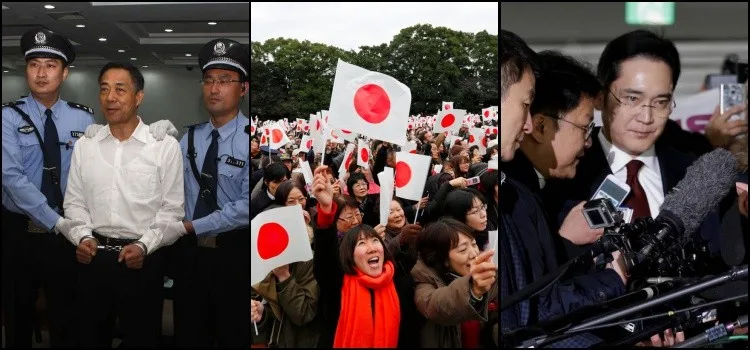
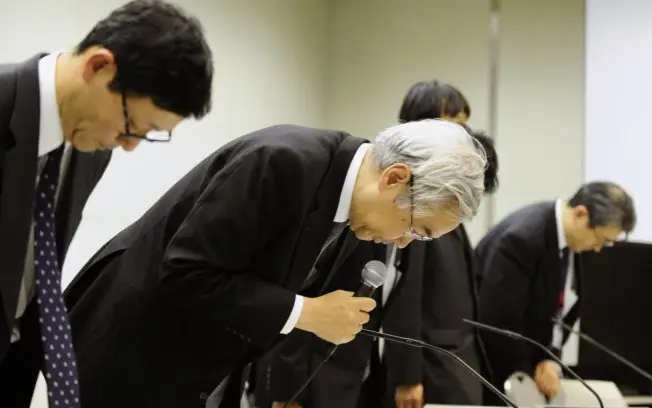
Public attitudes are full of contrasts. Scandals make major news, yet voters have sometimes re-elected politicians already stained by controversy. After crackdowns, outrage can focus as much on the shame of arrest as on the underlying wrongdoing—especially when a familiar local figure is the one in handcuffs.
Television and newspapers can cover a case relentlessly. That pressure has coincided with resignations and, in extreme cases, suicide among people close to a scandal. At the same time, whistleblowing is hard: speaking up can end a career even for someone only on the edge of the affair. Many stay quiet to protect the organization—and themselves.
Common patterns: amakudari, gifts, and bid-rigging
One recurring pattern is amakudari (天下り)—retired bureaucrats moving into high posts at public corporations or private firms, especially in finance, construction, transport, and pharmaceuticals. A related risk is kansei dango, the manipulation of public bids so that favored contractors win without a genuine open fight. Foreign firms often feel the chill of those closed circuits.
Expensive gifts to doctors, teachers, bosses, or officials can blur the line between courtesy and insurance for better treatment or promotion. Construction bribery has long been one of the most discussed forms of graft: it helps explain heavy investment in roads and bridges even when other infrastructure lags. In some regions—Hokkaido is often cited in older reporting—public-works money and politics have been especially tightly linked.

Snapshots of other cases
Beyond the landmark scandals detailed further down, Japanese reporting over the years has documented patterns that recur:
- In the mid-2000s, a large share of certain road contracts proceeded without real competitive bidding.
- Investigations found tens of millions of yen in public works money diverted to parties and entertainment.
- In 2005–2006, falsified earthquake-resistance data forced residents out of condominiums and shut hotels.
- In 2001, a foreign-affairs official was reported to have spent large public sums on horse racing and golf.
- In 2006, governors in more than one prefecture fell over bid-rigging scandals.
- Older industrial-political affairs—such as the Ōura, Siemens, and Teijin cases—are still cited as early modern precedents of elite corruption.
One prefectural probe found that a large share of a multi-million-dollar office-supplies budget in Chiba was misspent, including money that went toward video-game hardware and ping-pong tables. When people are caught, they often lose office—but enforcement is uneven, and some walk away with lighter consequences than the public expects.
The Ministry of Finance entertainment scandal
Raids seized underwear collections and led to arrests of Ministry of Finance officials who had demanded bankers take them to so-called no-pan shabu-shabu restaurants—places where short-skirted, underwear-free waitresses served customers. Tips of ¥10,000 bought the kind of service that made the arrangement impossible to defend once it hit the news.
Bankers spent more than ¥10 million on entertainment while only receiving soft warnings about bad-loan probes. Other MOF staff were reprimanded for “naps” with prostitutes in rooms paid through ministry connections. One man found with hundreds of pieces of women’s clothing at home told police he had “picked up the lingerie on the street by chance.”
In April 1998, two former MOF officials were indicted over roughly $69,000 in bribes tied to restaurant nights and golf. Over a hundred more staff were disciplined for improper meals and entertainment. By 2000, rules around wine and dining for bureaucrats had tightened sharply.

The politician who cried on camera
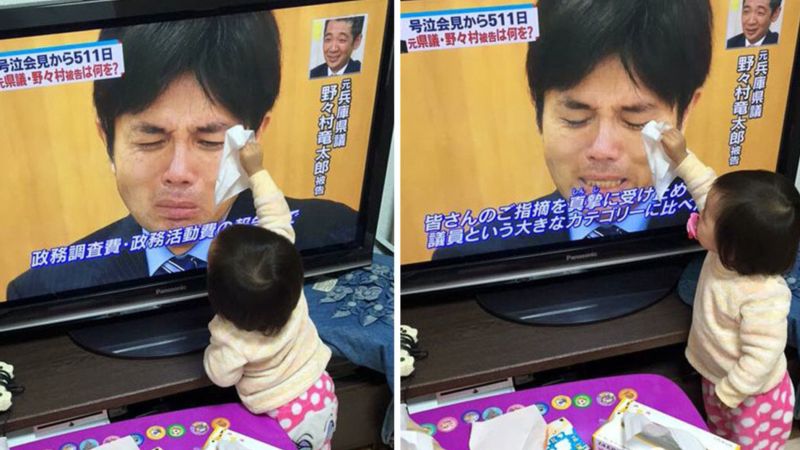
Assembly member Ryutaro Nonomura became infamous after breaking down while defending himself against corruption charges. Reporting at the time said he had spent about ¥3 million (roughly $30,000) in public money on train trips in a single fiscal year without a convincing official purpose.
Asked to explain, he sobbed, mumbled, and slammed the desk in a scene that replayed endlessly on Japanese television. Under pressure he resigned and offered to repay the money. The clip became a cultural shorthand for how public shame, performance, and accountability collide in Japanese politics—not a joke about disability, but a raw picture of someone collapsing under the lights.
The Recruit scandal
Prime Minister Noboru Takeshita was forced to resign in April 1989 after LDP figures were pulled into a favor-trading scandal that many called the worst political crisis since the end of World War II. Party heavyweight Shin Kanemaru was among those who had to step down. One of Takeshita’s top aides died by suicide—widely read as a way to avoid deeper testimony about his boss.
At the core, legislators accepted pre-IPO shares in Recruit Cosmos Co., a real-estate arm of the Recruit group, expecting a windfall once the stock listed in Tokyo. In return, Recruit received political help expanding its business. Roughly seventy politicians and insiders bought shares before listing. The trial stretched across thirteen years and hundreds of hearings.
Takeshita took formal responsibility and left the premiership, but the shadow did not stop there. Later reporting linked his circle to yakuza assistance in an election fight. In 1993 a close aide faced tax-evasion charges after gold bars and bearer bonds turned up in a closet. Multiple companies were dragged into the wider web of the affair.
The Lockheed scandal
Kakuei Tanaka had already been forced out as prime minister in 1974 under a cloud of corruption allegations. In 1976 he was arrested over bribes tied to Lockheed aircraft sales: money funneled to senior officials so that All Nippon Airways would buy L-1011 TriStar jets.
The case broke open in February 1976 when Lockheed executive A. Carl Kotchian told the U.S. Congress that the company had paid foreign officials to sell planes. Sixteen Japanese politicians were implicated, including Tanaka. Yoshio Kodama, a power broker linked to the LDP’s founding generation, was accused of taking large Lockheed payments. Tanaka was convicted in a lower court and died in 1993 while appeals were still underway.
Earthquake-resistance fraud in construction
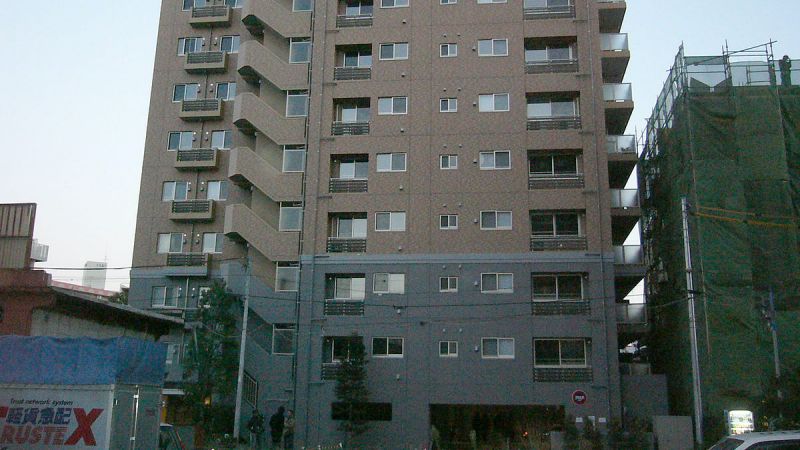
In 2005–2006 Japan faced a major scandal over falsified seismic data. Buildings that failed earthquake-resistance requirements had been signed off as safe. Residents had to leave condominiums; hotels were ordered closed. Architect Hidetsugu Aneha became the public face of the fraud.
Investigations concluded that data for dozens of condominiums and hotels had been fabricated, leaving structures vulnerable in a magnitude-5-class quake when codes expected resistance closer to level 7. Aneha said clients pressed him to cut steel reinforcement to save money—and that refusal would have cost him work. He later said cost-cutting and reputation management kept the falsification going. He received a five-year prison sentence. The affair damaged trust in the construction sector and hit real-estate businesses that had sold “safe” homes that were not.
Scandals around Shinzo Abe’s early cabinets
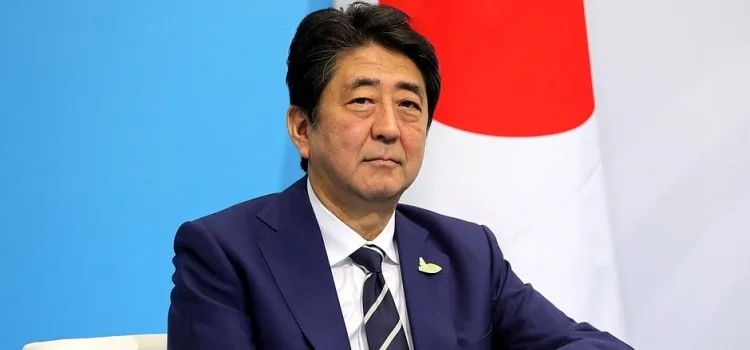
Shinzo Abe’s first stretch as prime minister was rocked less by one single bribery case than by a chain of gaffes, ethics failures, and minister-level collapses. Early on, a health minister’s remark comparing women to “baby-making machines” and a defense minister’s comments on the Iraq war both hurt the cabinet’s standing.
Abe was also damaged by the revelation that a tax commissioner he appointed used public housing for meetings with girlfriends—after the same man had criticized ordinary workers for using public housing. In July 2007 Defense Minister Fumio Kyuma resigned after saying the U.S. atomic bombings of Hiroshima and Nagasaki were “inevitable” and had ended the war to keep the Soviet Union out. The remark landed as both historically raw and politically tone-deaf.
In May 2007, Agriculture Minister Toshikatsu Matsuoka died by suicide after opposition attacks on office expenses and spending by an affiliated group. Successors Norihiko Akagi and Takehiko Endo also left office under scandal clouds—Endo after only eight days. The sequence cemented an image of a cabinet that could not keep its house in order.
Public money for video games and ping-pong
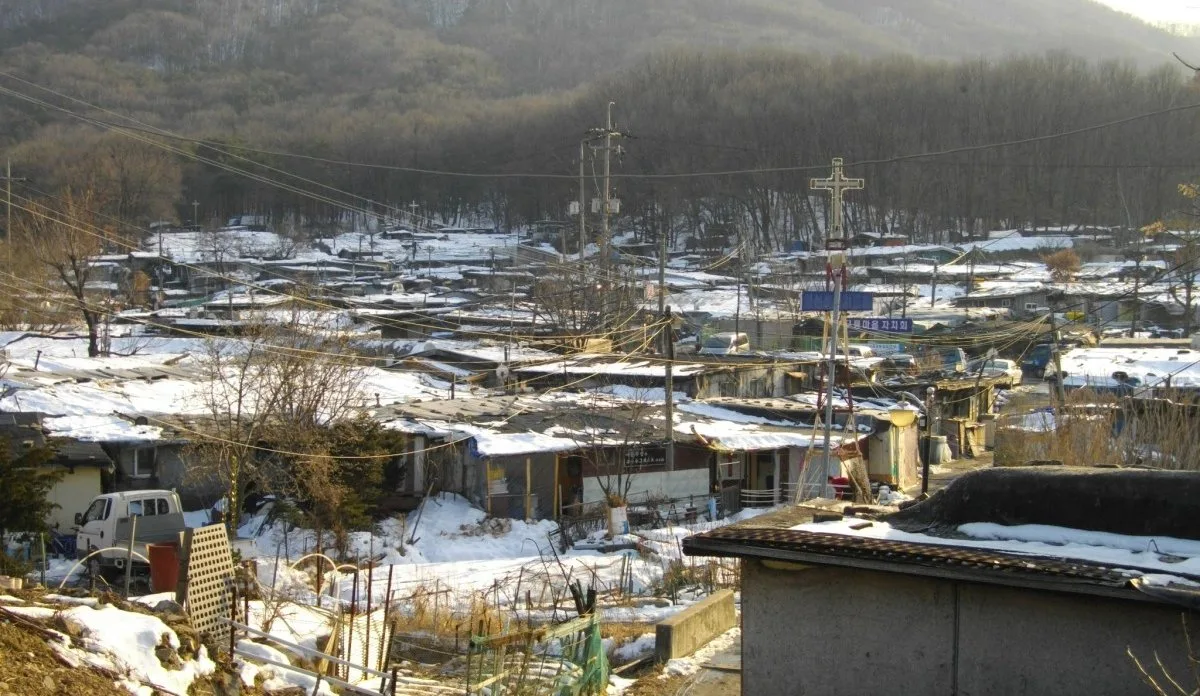
The Chiba prefectural investigation remains one of the most quoted “everyday absurdity” cases: nearly half of a roughly $30 million office-supplies budget was found to be misused, with funds going toward game consoles, ping-pong tables, and other items far from official stationery. It is a small story next to Lockheed or Recruit, but it sticks because it is so concrete—public money turned into toys while the books still said “supplies.”
Taken together with gift culture, public-works collusion, and faction money, it underlines a theme that runs through Japanese corruption reporting: the big national scandals get the headlines, while local budgets and quiet favors keep the system lubricated.
The LDP faction funding scandal (2023–2024)
In late 2023 and 2024, Japan’s long-ruling Liberal Democratic Party faced what many outlets called the country’s worst political-funding crisis in decades. Investigators and media reports focused on underreported proceeds from faction fundraising parties—ticket sales that should have been booked under political-finance rules, with excess funds allegedly kicked back into slush-style pools inside factions.
Figures circulating in Japanese and international coverage put underreported amounts in the hundreds of millions of yen (some reports higher). Prosecutors examined multiple LDP factions; senior party figures were replaced; cabinets were reshuffled; and public trust in the LDP took a hard hit. Kickbacks themselves are not automatically illegal in Japan, but failing to record and report political funds is. The affair forced prime ministers into public apologies and accelerated talk of faction reform—including the dissolution of major LDP factions as the party tried to contain the damage.
For readers following older scandals in this article, the 2023–2024 crisis is a reminder that the pattern did not freeze in the 1970s or 1980s. Money, factions, and weak disclosure still set the stage for national political drama.
How “clean” is Japan on global indices?
Global rankings such as Transparency International’s Corruption Perceptions Index score how experts and business people perceive public-sector corruption—not a perfect census of every crime. On recent CPI editions, Japan has sat in the low-to-mid 70s out of 100 (higher is cleaner), often near the top of the Asia-Pacific group and roughly in the world’s top twenty. That is far from the bottom of the table—and still well below the Nordic leaders who routinely score in the high 80s and 90s.
The index does not cancel Lockheed, Recruit, Aneha, or the LDP funding fight. It does help explain the paradox visitors notice: a society with strong everyday honesty norms, paired with elite political financing and construction networks that keep producing scandals large enough to topple cabinets.
Those cases are only part of a longer list. Gift exchanges, retirement postings, and public-works collusion still matter as much as the viral clips of politicians in tears. If you know another case that shaped how people talk about power in Japan, the comments are open.





Community
Comments
0 comments
There are no published comments in this language yet.
Send comment