
In many countries, leaving a tip after a meal or a taxi ride is almost automatic. In Japan, that same gesture can create confusion—or even feel awkward—because staff routinely refuse the extra cash.
Taxi drivers, waiters, hotel clerks, and shop staff almost never accept tips. The bill already covers the service, and pride in the work is part of the point. The culture of omotenashi (おもてなし)—hospitality offered without fishing for a gratuity—explains a lot of what visitors notice at the counter.
Contents 7
The history of tipping in the world did not shape Japan
A tip is an extra payment for a service already rendered. In the United States and much of Europe, people often feel expected to tip: restaurants leave a gratuity line on the bill, and servers may rely on that income. Japan never built that habit into everyday dining or transport.
Do you know the history of how tips originated? In Rome, it was common to reward a porter with a cup of wine. It is even funny that the word “bribe” shares roots with this tradition, where the drink was called propinare.
Later, for convenience, people began to give money so others could buy their own drink. In many hierarchical societies, “upper” ranks treated small gifts of cash as a social signal toward “lower” ranks—another pattern Japan did not import into daily service culture the same way.
A tip is meant to show gratitude. Many Japanese people do not see cash on the table as the right way to do that. If kindness is repaid only with money, the kindness itself can feel devalued. The ideal is to do the job well without expecting a personal bonus from the customer.
Japan is not the only place that rejects everyday tipping. Parts of China and other Asian contexts share related habits, and some countries simply include service in the price or pay wages that do not depend on tips. In Japan, higher-end restaurants and hotels may also add a service charge (サービス料, often around 10–15%) on the bill—money for the establishment, not a personal tip for one waiter.
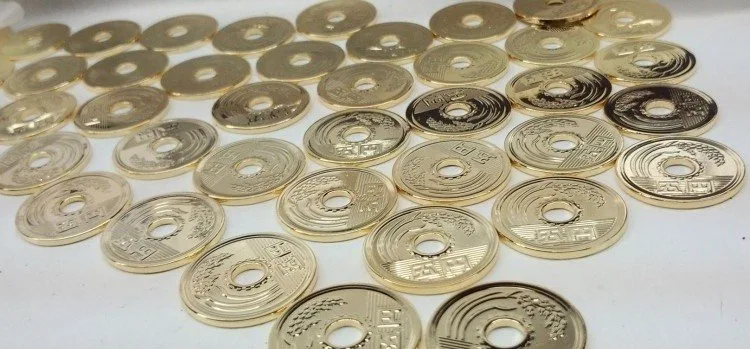
Pride, respect, education, and ethics
One of the many characteristics of Japanese work culture is strong loyalty to the employer, plus pride in the job itself. From that angle, a personal tip can feel like it bypasses the team and the house: the service was already charged correctly, so why pay more on the side?
Staff take that seriously. The usual thinking is simple: “You asked for a service; it was billed properly.” Pushing cash into someone’s hand can feel clumsy or even a little insulting to some people—not because gratitude is unwelcome, but because the ritual does not match how the job is framed. Soften that risk by not forcing the gesture.
Even if you try, the provider will often refuse and return the extra amount, out of politeness and workplace rules. You will rarely see someone pocket a tip at a regular restaurant or taxi, so it is better not to create the awkward chase in the first place.
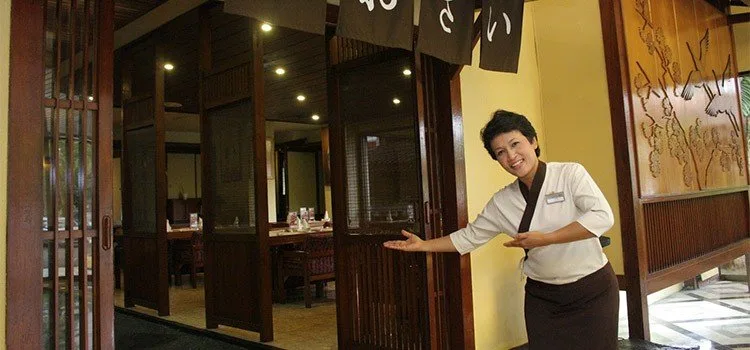
Not used to leaving money in hand
Most Japanese restaurants ask customers to pay at the front register instead of leaving cash with the waiter. That alone removes the classic Western tip moment at the table.
Hygiene and clear payment also matter. At many counters, money goes into a tray rather than hand to hand, which keeps the exchange neat and impersonal. Leaving bills in a cup or on the table can look like forgotten change.
Staff may run after you on the street to return what they think you left behind. If they cannot find you, the money may end up with the police as lost property. That is the opposite of a smooth thank-you.
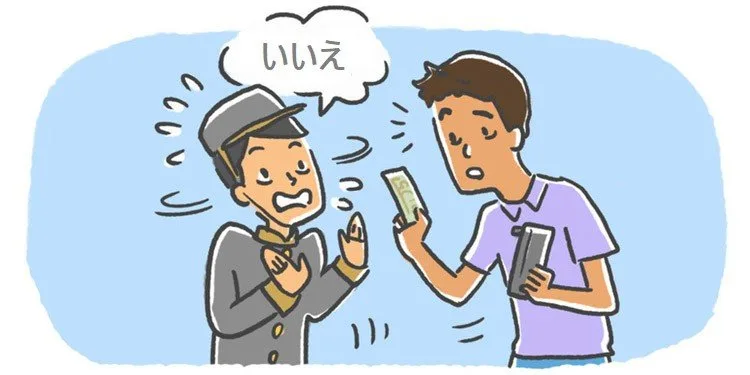
How to thank someone without tipping
Since most people in Japan do not receive tips, how can you thank someone for a service? Words and small, careful gestures work better than loose cash:
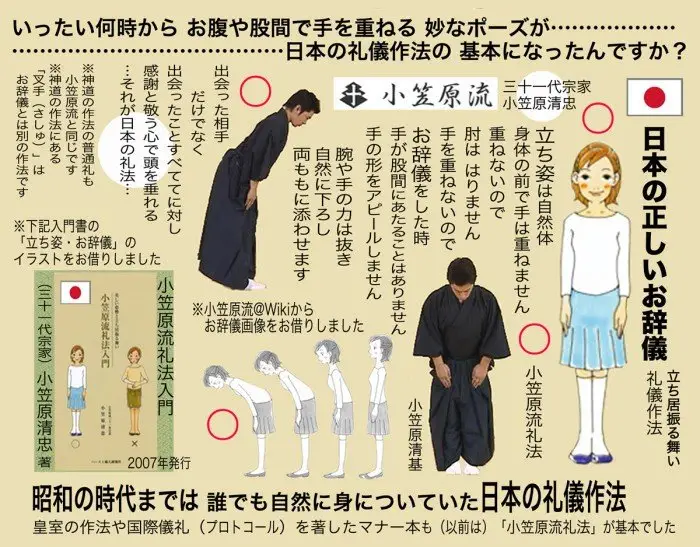
Saying thank you — arigatou (ありがとう) — The best everyday thanks is a clear thank you. In Japan, that short phrase carries real weight: you liked the service, you noticed the effort, and a slight bow often finishes the exchange.
Praising the service — For many workers, nothing beats being praised for the job itself. Honor sits in the craft: for ramen, slurping can signal that the dish was good; for a hotel or shop, a specific compliment about speed, cleanliness, or care lands better than money on the counter.
Sincerity — Japanese service culture values honest feedback. Do not invent praise you do not mean. Clear truth helps the team improve, and most providers take it as respect rather than an attack.
Gifts — If someone has gone far beyond the ordinary for you, a small wrapped gift may be accepted more easily than cash. In Japan, presents are usually given in an envelope or wrapping, and people often open them later at home.
Money in an envelope — If you still insist on leaving money, do not hand bills directly. In a hotel or restaurant context, a discreet envelope is the culturally safer form—and even then it is optional, not expected.

Can I give change as a tip in Japan?
In some countries, cashiers barely notice a few cents left behind. In Japan, if you leave a store without taking a single yen of change, staff may run after you to return it.
In markets and convenience stores, even one yen is treated as yours. If you do not want to pocket a pile of one-yen coins, look for a donation box when the store offers one—do not treat the counter as a tip jar.
Rounding up a taxi fare is a gray area. Sometimes the meter shows 2,600 yen; you might offer 3,000 and say to keep the change. Drivers may hesitate, but some accept it, especially after helping with luggage. Still, do not expect it, and do not force the issue if they refuse.
Kokorozuke — the closest thing to tipping
Contrary to the simple slogan “never tip,” Japan does have a related custom: kokorozuke [心付け], a gratuity “from the heart.” It is usually offered before or around a special service, not left casually on a café table after coffee.
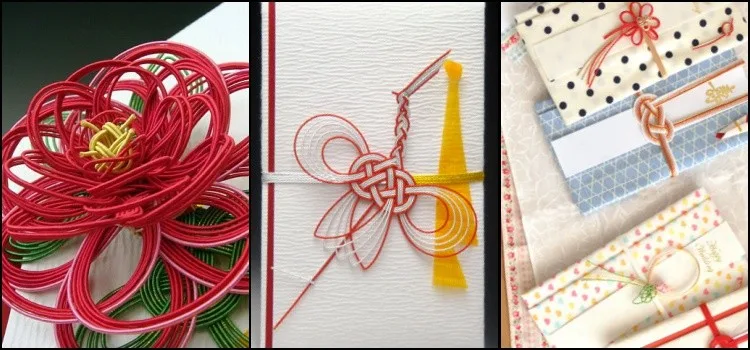
Kokorozuke money is normally—though not always—given in a small envelope, not the elaborate wrappers used for weddings or funerals. Simple, small envelopes keep the gesture discreet.
The kokorozuke most travelers hear about is at ryokan inns or luxury onsen stays. It may be given to the nakai-san (中居), who shows you to your room and looks after meals, cleaning, and bedding during the stay.
A common amount mentioned for that room attendant is around 1,000 yen in an envelope—never shoved as loose coins into a hand. Remember that it is uncommon to pass cash directly; both hands and a sealed envelope mark the difference between a ritual gift and a street tip.
Another familiar kokorozuke appears around wedding ceremonies, offered to people involved in running the event (separate from the larger gift money guests bring). Groups that frequent a restaurant or bar, or movers working a long day, may also receive envelope money in some contexts—always optional, never a fixed “18%” rule.
Situations where a tip may still appear
Even when money in an envelope is accepted, it is rarely required. Some private guides or tour groups used to foreign guests may accept a gratuity, especially if the guide works regularly with international travelers.
Guides or staff who have lived abroad may also be more familiar with tipping culture. The same can happen if a Japanese person serves you outside Japan and follows local rules there instead of Tokyo café etiquette.
Japan’s service scene keeps meeting more visitors from tip-heavy countries, so reactions vary. Still, the safe default inside Japan remains: do not tip in ordinary restaurants, taxis, hotels, and shops. A sincere thank you protects both of you from an embarrassing money chase—and respects the service culture that made the trip smooth in the first place.





Community
Comments
0 comments
There are no published comments in this language yet.
Send comment