
Ashi-waza [足技] is a set of Japanese techniques for foot therapy. Ashi literally means feet, while Waza means technique. This art has been used both in fighting and in body therapies; in this article, we will talk about both.
Contents 4
Ashi Waza as fighting techniques
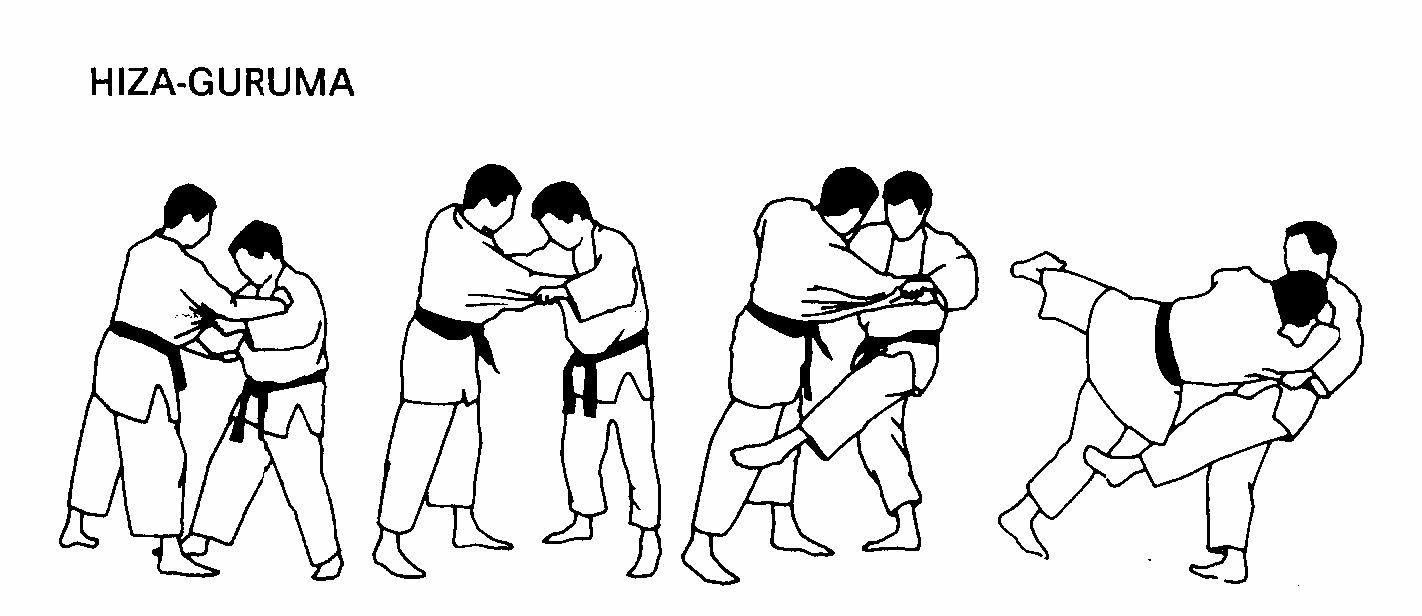
Ashi waza is considered a significant part of karate, judo, and other types of fighting, involving the study of techniques with the feet. Foot positioning to absorb impact and techniques for defense or attack in a broad sense.
In Karate, the parts of the feet and legs are named and specified for each type of fighting technique. Fukurahagi refers to the calf, Futomomo refers to the thigh, Hiza corresponds to the knees, while the feet are called Soku.
Soku is the main member of Japanese techniques with the feet, used to apply and receive strikes and impacts. These areas are called Haisoku, Kakato, Koshi, Teisoku, Sokuto, Tsumasaki, and Sune.
Any technique that uses the feet or legs in any type of Japanese fighting can end up being classified as ashiwaza, as this word means nothing more than technique with the feet.
Ashi-Waza as therapy
Foot therapy was developed in 2003 at the TOYO SEITAI SENMON GAKUIN (Oriental School Specialized in Spinal Alignment Technique), located in Shizuoka (Japan) by Master Daisuke Sugiyama.
He combined the techniques of Thai Massage and Seitai (Body Organization), extracting the best from both techniques, thus developing his own method called Sugiyama Ashigi.
The technique provides a new experience for those in need of therapeutic care while also benefiting the person applying the technique. There are numerous benefits for both those receiving and applying the techniques.
Benefits for those receiving foot therapy:
- Increases the range of joint movement;
- From the soles of the feet, the “Ki” (vital energy) is emitted, which is often greater than that of the hands;
- The pleasurable rhythm generates a comfortable stimulus throughout the body;
- It is possible to massage and release tension from the entire body, not just specific points;
- Improves blood circulation;
- Elevates and improves metabolism;
- Eliminates toxins;
- The flow of lymphatic fluid becomes smooth, improving health;
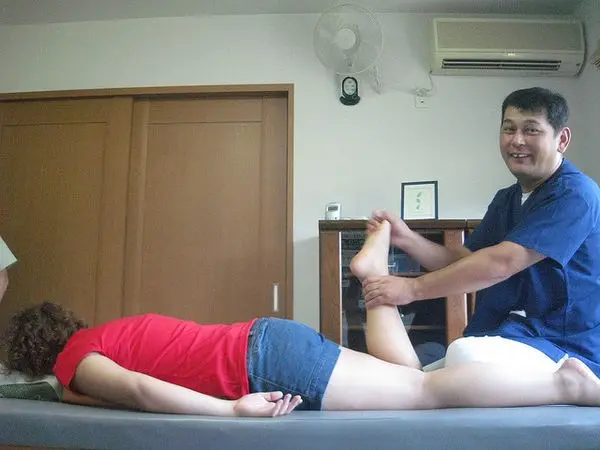
Unlike what is shown in the image above, foot therapies are performed using the feet and not on the feet.
Benefits for Therapists:
- The therapists applying the technique receive self-preservation;
- Reduces physical wear and improves productivity;
- Development of balance;
- Improves and reeducates posture;
- Stimulates the areas and reflexes of the feet;
- Improves the sensitivity of the soles of the feet;
- Strengthens the lower limbs;
- Reduces fluid retention in the lower limbs;
- Improves blood circulation;
- Burns fat in the lower limbs;
Helio Nakaura was the first foreign student to study and practice this method in Japan, and now he intends to spread this technique to benefit the largest number of people. He even created an online and in-person course for this; you can see details by accessing his website below:




Community
Comments
0 comments
There are no published comments in this language yet.
Send comment