
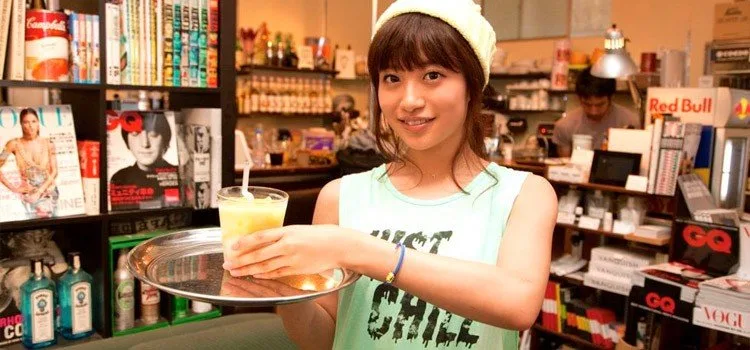
Japan is famous for quiet rules and careful manners — and still, visitors keep bumping into scenes that would look rude back home. Not because nobody cares, but because the social code is built differently.
A clear sumimasen in a restaurant, slurping ramen, a short doze on the train: what feels awkward in the West can be ordinary Japanese daily life. Here are ten habits with the context that changes how they read.
Contents 13
At the table and when drinking
1. Calling staff with “Sumimasen”
In many Western places people raise a hand, wait for eye contact, or tap a call button. In Japan the usual signal is a polite but audible sumimasen (すみません, “excuse me”). It is not yelling “waiter” — it is the normal way to say you need service. Soft secret signals often go unnoticed in a busy shop.
2. Slurping noodles and soup
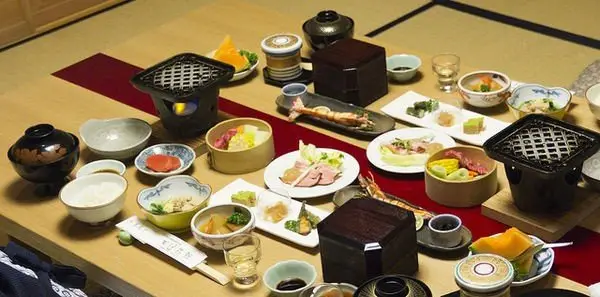
Slurping often counts as bad manners in the West. With ramen, soba, or udon it usually shows the food is hot and good: air cools the noodles, aroma rises, and the sound rarely bothers anyone nearby. That does not green-light chewing with your mouth open, belching, or every eating noise — the point is purposeful slurping of noodles and broth, not chaos at the table.
3. Drinking from bowls
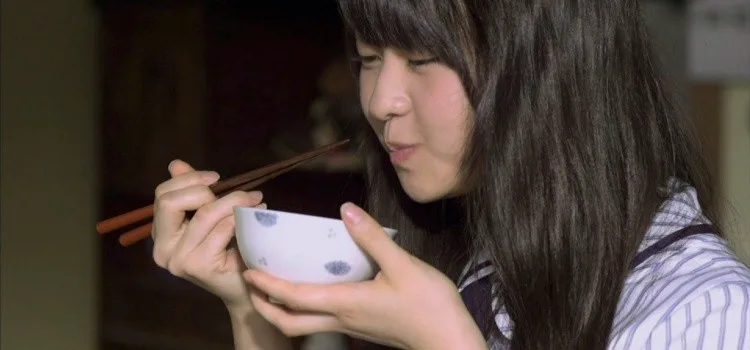
Small rice bowls and soup bowls are often lifted toward the mouth with one hand while the other uses chopsticks. Broth is commonly finished straight from the bowl; spoons appear more as side tools with noodle soups. What can look like “holding a plate up to your face” in the West is normal here — the bowls are made for that motion.
4. Eating sushi with your hands
Many visitors assume the most polite path is always hashi (chopsticks). In Japan — especially with nigiri — eating with clean hands is normal and widely accepted, with the mix of hand and chopsticks varying by place and shop. Practical habits still help: dip the fish side lightly in soy sauce rather than soaking the rice, and eat each piece in one bite when you can.
5. Letting others pour your drink
At a shared table, people often fill others’ glasses first and wait for someone to top up theirs, instead of quietly pouring only for themselves. After you have poured for the group, serving yourself is often fine — but the instinct “I won’t bother anyone, I’ll pour my own” can read as less considerate than it does in many Western settings. If you do not drink alcohol, a clear soft refusal is fine; tea and soft drinks are normal.
In daily life, on trains, and in the street
6. Inemuri: dozing while still “there”
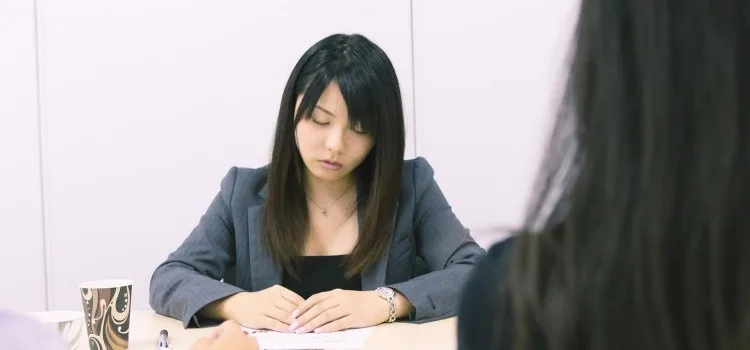
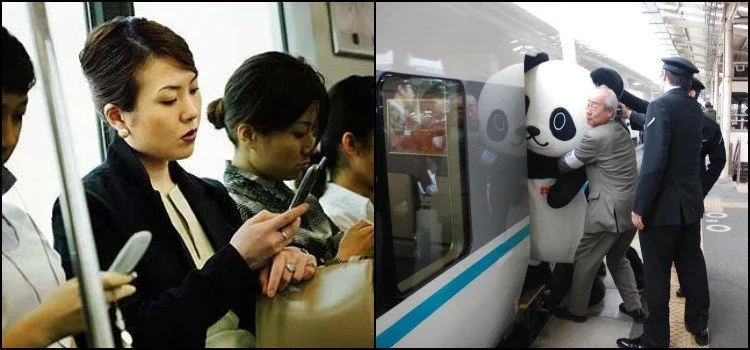
In offices, classrooms, and especially on trains, you see people with closed eyes resting upright. Inemuri (居眠り) roughly means “sleeping while present”: a light nap that still looks socially “on site.” It is not usually read as lazy rudeness so much as the side effect of long days — and people rarely wake someone loudly unless they block the way.
7. Holding doors less often
In much of the West, holding a door for the person behind you is a small default courtesy. In Japan it happens less often and carries less weight as a chivalry ritual. Nobody is usually trying to insult you — the focus sits more on smooth flow, personal space, and avoiding awkward body contact in tight entrances.
8. Pedestrian lights and cars that feel “harsh”
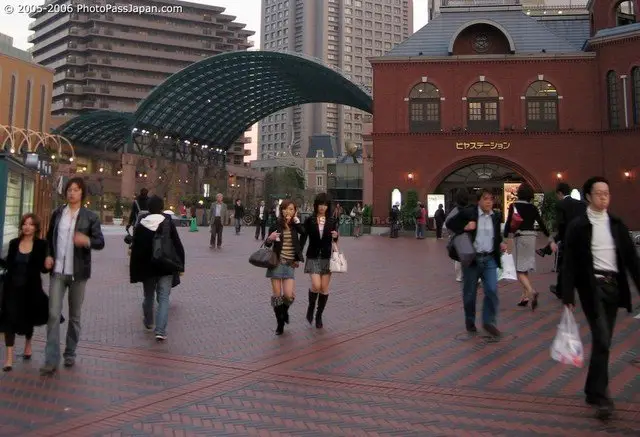
At large intersections, cars may still move through while pedestrians cross, because vehicle signals can also allow turns or parallel flow. For a tourist it can look dangerous or rude compared with places where any foot on the crosswalk freezes all cars. Locals treat it as a known pattern: stay alert, follow the light, and watch turning traffic even when your pedestrian signal is green. Some drivers stop mid-crossing so people can pass; others keep the legal flow. The nuance is not “cars ignore people,” but a denser shared intersection code that looks aggressive if you expect a full stop every time.
9. Being pushed — and pushing — on packed trains
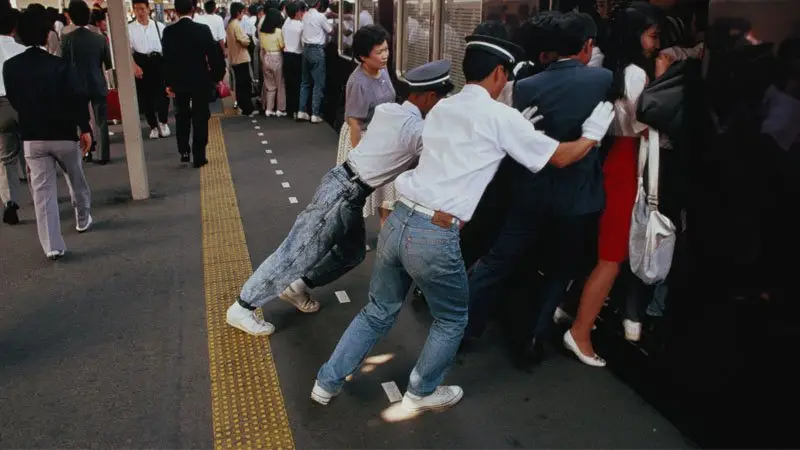
In rush hour, bodies press together and station staff or the crowd itself can push people into the car so doors close. In many Western cities that level of contact would feel like a fight starting. In Tokyo or Osaka peak hours it is often treated as shared logistics, not a personal attack — as long as hands stay appropriate. Unwanted groping (often discussed as chikan) is a different problem entirely and is not excused by crowding.
10. Clothes that look “wrong” elsewhere
What counts as embarrassing dress changes by culture. You may see fundoshi at festivals, people stepping out in loungewear for a quick konbini run, coordinated group outfits, or full cosplay on the street. None of that automatically means “no manners” — public dress codes are simply looser in some scenes and stricter in others (offices, formal visits, temples). Context decides more than a single silhouette.
How to read the contrast without panicking
These habits are not a free pass to ignore Japanese etiquette. Japan still has plenty of rules that feel strict from the outside — quiet trains, shoe rules, chopstick taboos, trash sorting. The point of this list is the reverse shock: scenes that look rude in one map of politeness can be neutral or even cooperative in another.
If something startled you on a trip or in a drama, treat it as a cue to ask what the local code is protecting — speed, space, fatigue, shared food, or group flow — before deciding someone was being careless.


Community
Comments
0 comments
There are no published comments in this language yet.
Send comment