
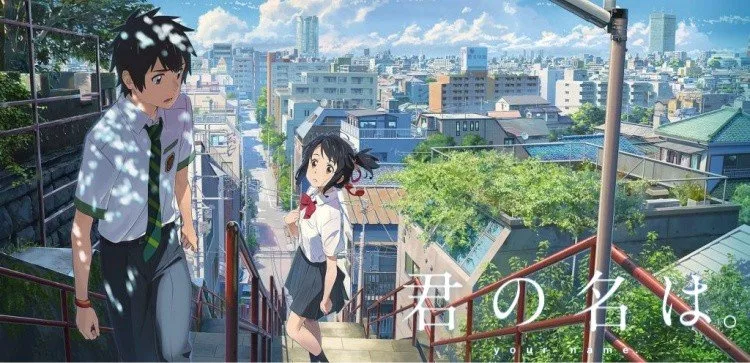
Some scenes in Kimi no Na wa. (Your Name) feel like the clock is loud and nobody wants to leave. That is exactly where RADWIMPS’s “Sparkle” lives: not as background filler, but as a second screenplay built from hourglasses, a kaleidoscope, lukewarm cola, and a smile that looks cut from a textbook.
Below you will find the Japanese lyrics, romaji, an English sense-translation, and a line-by-line breakdown of the lines that carry the song. The track was written by Yojiro Noda and sits among the central pieces of Makoto Shinkai’s soundtrack.
Contents 6
Japanese Lyrics
Show Japanese lyrics
まだこの世界は 僕を飼いならしてたいみたいだ
望み通りいいだろう 美しくもがくよ
互いの砂時計 眺めながらキスをしようよ
「さよなら」から一番 遠い 場所で待ち合わせよう
辞書にある言葉で 出来上がった世界を憎んだ
万華鏡の中で 八月のある朝
君は僕の前で ハニかんでは澄ましてみせた
この世界の教科書のような笑顔で
ついに時はきた 昨日までは序章の序章で
飛ばし読みでいいから ここからが僕だよ
経験と知識と カビの生えかかった勇気を持って
いまだかつてないスピードで 君のもとへダイブを
まどろみの中で 生温いコーラに
ここでないどこかを 夢見たよ
教室の窓の外に
電車に揺られ 運ばれる朝に
愛し方さえも 君の匂いがした
歩き方さえも その笑い声がした
いつか消えてなくなる 君のすべてを
この眼に焼き付けておくことは
もう権利なんかじゃない 義務だと思うんだ
運命だとか未来とかって 言葉がどれだけ手を
伸ばそうと届かない 場所で僕ら恋をする
時計の針も二人を 横目に見ながら進む
そんな世界を二人で 一生 いや、何章でも
生き抜いていこう
Romanization
Show romaji
Mada kono sekai wa
boku o kainarashitetai mitai da
nozomi doori ii darou
utsukushiku mogaku yo
tagai no suna-dokei
nagame nagara kisu o shiyou yo
「sayonara」 kara ichiban tooi
basho de machi-awaseyou
jisho ni aru kotoba de
deki-agatta sekai o nikunda
mangekyou no naka de
hachi-gatsu no aru asa
kimi wa boku no mae de
hanikande wa sumashite miseta
kono sekai no kyoukasho no you na egao de
tsui ni toki wa kita
kinou made wa joshou no joshou de
tobashi-yomi de ii kara
koko kara ga boku da yo
keiken to chishiki to
kabi no hae-kakatta yuuki o motte
ima da katsute nai supiido de
kimi no moto e daibu o
madoromi no naka de
nama-nurui koora ni
koko de nai dokoka o
yumemita yo
kyoushitsu no mado no soto ni
densha ni yurare
hakobareru asa ni
aishi-kata sae mo
kimi no nioi ga shita
aruki-kata sae mo
sono warai-goe ga shita
itsuka kiete nakunaru
kimi no subete o
kono me ni yakitsukete oku koto wa
mou kenri nanka ja nai
gimu da to omou nda
unmei da toka mirai toka tte
kotoba ga dore dake te o
nobasou to todokanai
basho de bokura koi o suru
tokei no hari mo futari o
yokome ni mi nagara susumu
sonna sekai o futari de
isshou
iya, nan-shou demo
ikinuite ikou
English Translation
Show English translation
It seems this world still wants to keep me on a short leash and tame me.
If that is how it wants things — fine. I will struggle, and I will do it beautifully.
Watching our hourglasses, let’s share a kiss.
Let’s meet at the place farthest from a future “goodbye.”
I grew to hate this world built out of dictionary words.
On one August morning, inside this kaleidoscope.
In front of me you smiled shyly, then played it cool.
With a smile like a textbook example from this world.
The time has finally come — until yesterday was only a prologue to the prologue.
You can skim if you want; from here on, this is me.
With experience, knowledge, and courage already growing a little mold,
I dive toward you at a speed I have never known.
In a doze, with lukewarm cola,
I dreamed of somewhere that is not here —
outside the classroom window,
on mornings carried along while the train sways.
Even the way I loved smelled like you.
Even the way I walked carried your laugh.
Everything about you that will one day disappear —
burning it into these eyes
is no longer a right. I think it is a duty.
Words like fate and future, no matter how far they stretch their hands,
never reach the place where we love each other.
Even the hands of the clock keep moving, only glancing sideways at us.
Through a world like that, the two of us — for a whole lifetime, no: for as many chapters as it takes —
let’s keep living on.
Line by line: vocabulary and nuance
These are the spots that feel most cinematic in Japanese — short sense-translations plus the words that hold the line. The goal is usable study notes, not a dry machine glossary.
まだこの世界は 僕を飼いならしてたいみたいだ
Mada kono sekai wa boku o kainarashitetai mitai da
It seems this world still wants to tame me / keep me on a leash.
- まだ — still, yet
- この世界 — this world
- 僕 — I (casual, often masculine)
- 飼いならす — to tame, domesticate
- たい — want to
- みたいだ — it seems / as if
望み通りいいだろう 美しくもがくよ
nozomi doori ii darou utsukushiku mogaku yo
If that is how things are wished — fine. I struggle on, beautifully.
- 望み通り — just as wished (望み + 通り)
- いいだろう — then that’s okay / so be it
- 美しく — beautifully (adverb)
- もがく — to struggle, thrash, writhe
互いの砂時計 眺めながらキスをしようよ
tagai no suna-dokei nagame nagara kisu o shiyou yo
While we watch our hourglasses, let’s kiss.
- 互い — each other, mutual
- 砂時計 — hourglass (time you can see running out)
- 眺めながら — while watching (ながら = two actions at once)
- キスをしよう — let’s kiss
「さよなら」から一番 遠い 場所で待ち合わせよう
「sayonara」 kara ichiban tooi basho de machi-awaseyou
Let’s meet at the place farthest from “goodbye.”
- さよなら — goodbye, farewell
- から — from
- 一番遠い — the farthest
- 場所 — place
- 待ち合わせる — to meet up, arrange a meeting
辞書にある言葉で 出来上がった世界を憎んだ
jisho ni aru kotoba de deki-agatta sekai o nikunda
I hated a world finished from words you find in a dictionary.
- 辞書 — dictionary
- 言葉 — word, language
- 出来上がった — finished, ready-made
- 憎む — to hate, detest
万華鏡の中で 八月のある朝
mangekyou no naka de hachi-gatsu no aru asa
On one August morning, inside a kaleidoscope.
- 万華鏡 — kaleidoscope (万 “myriad” + 華 “splendor” + 鏡 “mirror”)
- 八月 — August
- 朝 — morning
君は僕の前で ハニかんでは澄ましてみせた
kimi wa boku no mae de hanikande wa sumashite miseta
In front of me you looked shy, then acted nonchalant.
- 君 / 僕 — you / I
- 前で — in front of
- ハニかむ / はにかむ — to be shy, bashful
- 澄ます — to put on a composed / innocent face
- みせる — to show (here: put on a look)
この世界の教科書のような笑顔で
kono sekai no kyoukasho no you na egao de
With a smile like a textbook example from this world.
- 教科書 — textbook
- のような — like a
- 笑顔 — smile
ついに時はきた 昨日までは序章の序章で
tsui ni toki wa kita kinou made wa joshou no joshou de
The time has finally come — until yesterday was a prologue to the prologue.
- ついに — finally
- 時 — time, moment
- 昨日まで — until yesterday
- 序章 — prologue, opening chapter
飛ばし読みでいいから ここからが僕だよ
tobashi-yomi de ii kara koko kara ga boku da yo
You can skim if you like — from here on, this is me.
- 飛ばし読み — skimming, skipping pages
- いいから — it’s fine / go ahead
- ここから — from here
- 僕だよ — it’s me / my story
経験と知識と カビの生えかかった勇気を持って
keiken to chishiki to kabi no hae-kakatta yuuki o motte
With experience, knowledge, and courage already growing a little mold.
- 経験 — experience
- 知識 — knowledge
- カビ — mold
- 生えかかった — starting to grow / nearly sprouting
- 勇気 — courage
“Moldy courage” sounds unheroic — and that is the point: the courage is imperfect, a little stale, but it is still there.
いまだかつてないスピードで 君のもとへダイブを
ima da katsute nai supiido de kimi no moto e daibu o
At unprecedented speed, I dive toward you.
- いまだかつてない — never before, unprecedented
- スピード — speed
- もとへ — toward (someone)
- ダイブ — dive
まどろみの中で 生温いコーラに
madoromi no naka de nama-nurui koora ni
In a doze, with lukewarm cola…
- まどろみ — light sleep, dozing
- 生温い — lukewarm (and sometimes “half-hearted”)
- コーラ — cola
Everyday texture instead of pure pathos: longing lives on the train and in a flat drink, not only in fate-talk.
愛し方さえも 君の匂いがした / 歩き方さえも その笑い声がした
aishi-kata sae mo … / aruki-kata sae mo …
Even the way I loved smelled like you. Even the way I walked carried your laugh.
- 〜方 — the way of doing something
- さえも — even
- 匂いがした — smelled of
- 笑い声 — laughter, laughing voice
もう権利なんかじゃない 義務だと思うんだ
mou kenri nanka ja nai gimu da to omou nda
It is no longer a right — I think it is a duty.
- 権利 — right, privilege
- なんかじゃない — is by no means…
- 義務 — duty, obligation
- と思うんだ — I think / I feel (emphatic)
Remembering the other person shifts from privilege to responsibility — a core beat of both the song and the film.
運命だとか未来とかって … 届かない 場所で僕ら恋をする
unmei da toka mirai toka tte … todokanai basho de bokura koi o suru
Words like fate and future fall short; we love in a place they cannot reach.
- 運命 — fate
- 未来 — future
- とか — things like…
- 手を伸ばす — to stretch out a hand
- 届かない — cannot reach
- 恋をする — to love / fall in love
時計の針も二人を 横目に見ながら進む
tokei no hari mo futari o yokome ni mi nagara susumu
Even the hands of the clock keep advancing, only glancing sideways at us.
- 時計の針 — clock hands
- 二人 — the two of us
- 横目 — sidelong glance
- 進む — to advance
そんな世界を二人で 一生 いや、何章でも / 生き抜いていこう
sonna sekai o futari de isshou iya, nan-shou demo / ikinuite ikou
Through a world like that — a whole life, no: as many chapters as needed — let’s keep living on.
- 一生 — a whole lifetime
- 章 — chapter (life as a book)
- 生き抜く — to live through, endure
- いこう — let’s go / let’s keep going
What the song carries in the film
“Sparkle” (スパークル) is one of the central tracks on the Kimi no Na wa. soundtrack. It runs on the same motors as the story: time running out, meeting against farewell, and the choice not only to “have” someone but to remember them.
The images stay concrete — hourglass, kaleidoscope, train, classroom window — so the song feels less like abstract poetry and more like a summer and a city you walk again after midnight. If you know the real locations used in the film, you can often hear the same landscape: ordinary roads that suddenly become irreplaceable.
A good English rendering keeps that double motion: tender and restless at once. If you are learning Japanese with the song, start with romaji plus a sense line, then read the Japanese aloud. If you are rewatching the film, listen for the swing from “right” to “duty” — the moment memory becomes work.
Quick notes
- Band / song: RADWIMPS — Sparkle (movie and original versions appear on the soundtrack releases)
- Lyrics & music: Yojiro Noda
- Film: Kimi no Na wa. (Your Name) by Makoto Shinkai
- Study tip: romaji + English sense first, then Japanese lines out loud
If you want more tracks broken down the same way, the “translating songs” series keeps the same skeleton — text, sound, meaning, vocabulary — without flattening a song into a bare word list. A natural next listen from the same film is Nandemonaiya.


Community
Comments
0 comments
There are no published comments in this language yet.
Send comment