
All countries have some form of social benefit that is the right of every ordinary citizen. There are social benefits aimed at workers such as retirement and benefits that serve as assistance for people with greater needs.
In Japan, they pay more attention to providing the necessary help for the children of the country. Therefore, they also care about benefiting all people who meet the necessary requirements.
Let's learn about some benefits that are common for the Japanese and also those that foreign people can receive such services.

Contents 5
Japanese Pension System
Every citizen who dedicates years to work to support themselves and drive the economy of the country expects that upon reaching a certain age or in unforeseen circumstances that leave them unable to work, they can receive an amount to assist during that time.
In Japan, for a citizen to be entitled to retirement, whether due to age, disability, length of contribution, or special retirement, it is necessary for them to be aware of the Shakai Hoken.
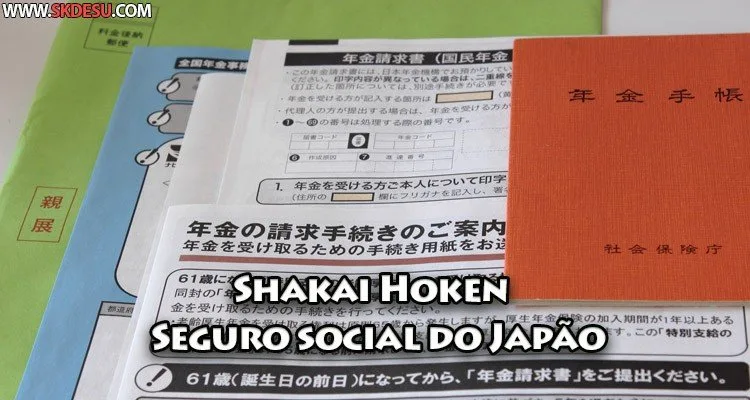
The Shakai Hoken is a mandatory insurance for everyone aged between twenty and sixty years. By paying for this insurance, a person can retire if they meet any of the essential requirements.
Foreigners have the same rights regarding retirement.
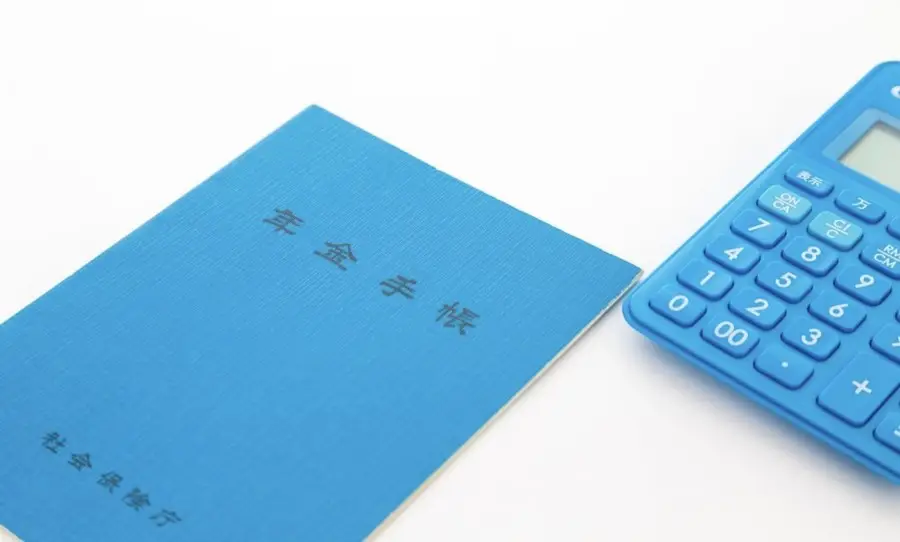
The Pension System in Japan is divided into two Regimes: The Kousei Nenkin and the Kiko Nenin.
In the Kousei Nenkin anyone can contribute, even if they are not currently employed.
On the other hand, the Kiko Nenin functions as a basic pension aimed only at workers.
Other aids for the well-being of the population
Here in Brazil, there are many social benefits, each for specific groups such as women, students, low-income, among others.
In Japan, there are also aids that only specific people can access. There are at least nine benefits in favor of the population.
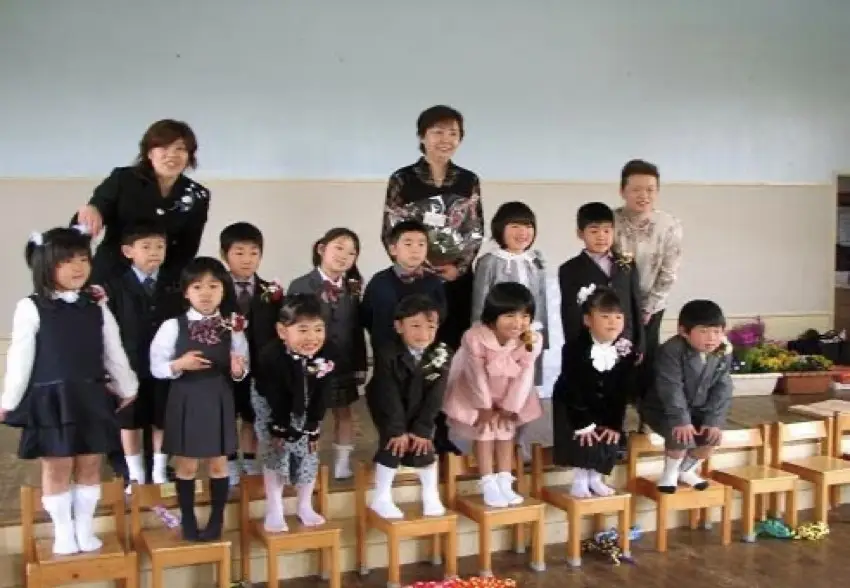
Japanese Aids for Children
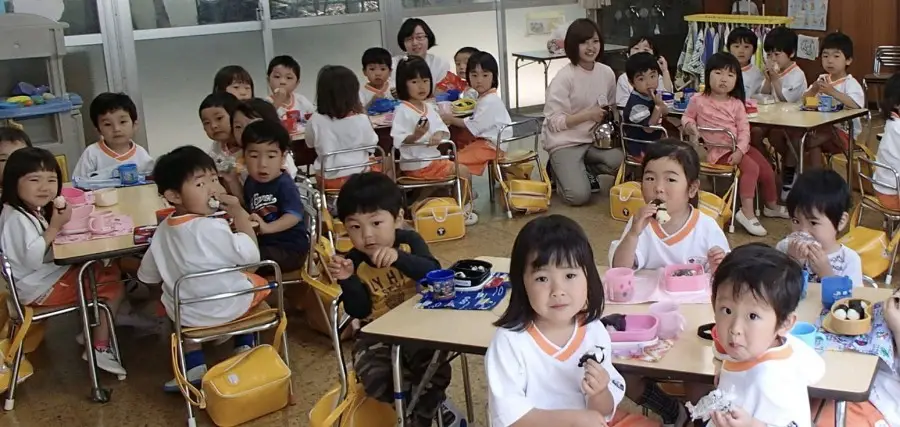
- Kodomo Teate (child allowance): this benefit is intended for guardians who have school-aged children. It contributes to the healthy development of the child.
- Jido Fuyo Teate (child-rearing allowance): this assistance is for cases where one of the parents or another guardian faces difficulties in raising the child due to divorce, death, or physical illness. The guardian of the child receives the help.
- Jido Fukushi Teate (child welfare allowance): the guardian of the child receives a cost assistance if the parents have separated, if for some reason the child has only one of the two, or serious health problems.
- Iji Teate (orphan child allowance): this benefit goes to the guardian who takes care of the orphan child until the age of fifteen.
- Shogaiji Fugushi Teate (welfare allowance for children with disabilities): this meets the needs of the child who requires special care. The guardian of the child receives the amount.
Other Japanese Aids
- Boshikafu Fukushi Shikin (financing for single/widowed mother's welfare assistance): the aid helps the woman with daily expenses and, based on her circumstances, she can apply for other financing such as for studies, internships, medical needs, among others.
- Kigo Hoken (insurance for elderly care): This is more of a service than just an aid, as the elderly enrolled for these care receive help from caregivers, most of whose expenses are covered by the insurance. These services are divided into two categories:
Itaku Service is when a home assistant helps the elderly with household chores and other needs they may have. Shisetsu Service is for elderly individuals in a hospital condition.
- Seikatsu Hogo (livelihood assistance): this assistance is aimed at low-income families who, due to illness, cannot support themselves. This aid helps with education, housing, medical treatment, special care, among others.
- Seikatsu Shikin (financing for living cost assistance): the financing covers those who have financial difficulties and it is possible to finance Social Assistance (Shakai Fukushi Shikin) and Living Assistance (Seikatsu Fukushi Shikin).
To access the mentioned benefits, one just needs to inquire at social assistance, check if they meet the requirements, and bring the necessary documentation. To receive them, it is also necessary to be registered with the city hall.
When beneficiaries change their circumstances in such a way that they no longer belong to the groups entitled to assistance, the aid is cut off. The amounts may also vary according to each family's situation.
The importance of these benefits for Japan
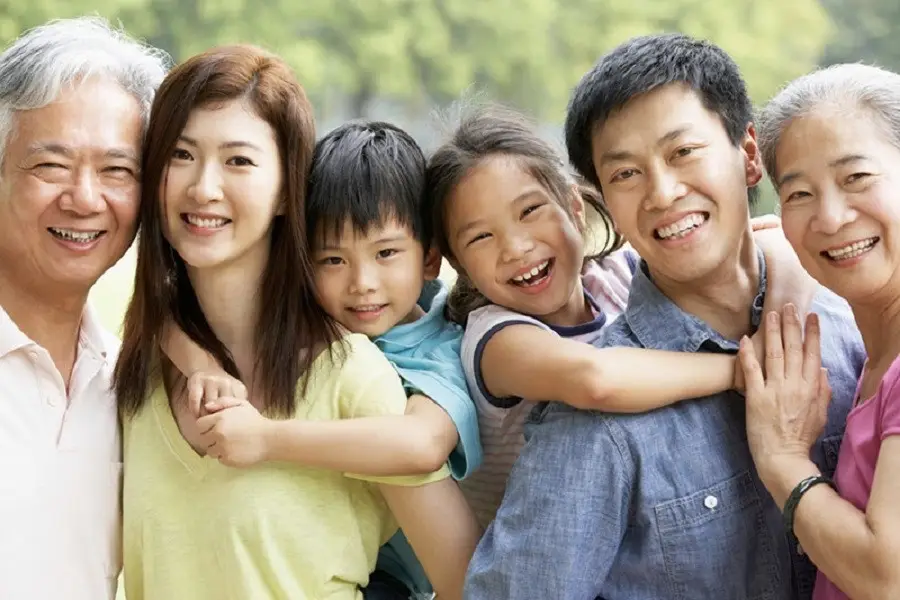
Social benefits in general aim to maintain a good economy for the country. As long as the population is moving money and studying, it will reflect on how the nation is viewed.
This financial movement is what generates jobs and more benefits for those in need.
These aids help families not to live in extreme poverty and provide the opportunity for everyone to study and find work.
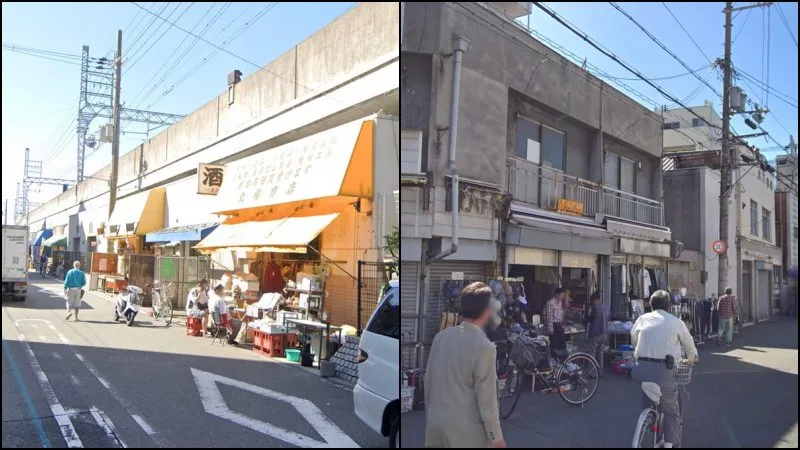
In Japan, they place great importance on education, and they are even known for having a very rigorous education system. Therefore, most benefits are aimed at school-aged children.
Have you heard of any of these benefits from Japan? Is there any that you wish existed in Brazil?


Community
Comments
0 comments
There are no published comments in this language yet.
Send comment