
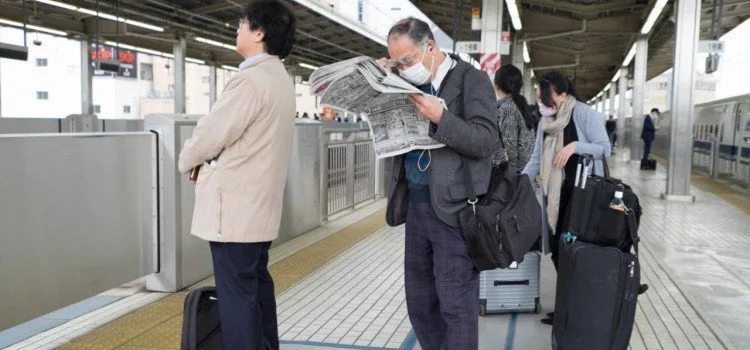
Riding a train in Japan can feel quiet, efficient, and surprisingly revealing. Spend enough time on commuter lines and you start to notice the same personalities over and over again. Some are charming, some are awkward, and some only stand out because train etiquette in Japan is so visible in everyday life.
These are eight familiar types of people you are likely to meet on trains in Japan, from expert nappers to passengers who apologize before you even realize they need to pass.
Contents 8
The inemuri sleepers
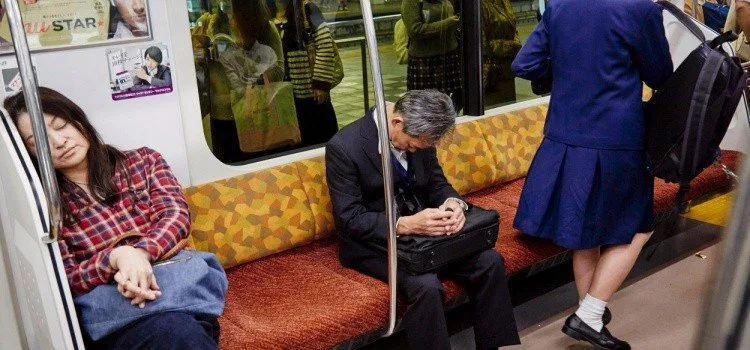
One of the most recognizable sights on Japanese trains is the passenger who falls asleep almost instantly and still wakes up at the right station. This light public dozing is often tied to inemuri, a habit that turns crowded commuter time into a short break without fully checking out of the world around you.
Some people sleep sitting perfectly straight, others sway with the train, and a few slowly lean onto a neighbor's shoulder before waking up in embarrassment. It looks funny from the outside, but after a long day it is one of the most normal scenes in a Japanese carriage.
The sumimasen squeezers
Even in a packed train, there is usually someone trying to pass with a soft sumimasen. It may mean excuse me, sorry, or a polite warning that you are standing exactly where they need to go.
These passengers rarely make a scene. They slide through narrow gaps, bow slightly, and somehow reach the door without pushing harder than necessary. On busy lines, that tiny word does a lot of work.
The silent phone scrollers
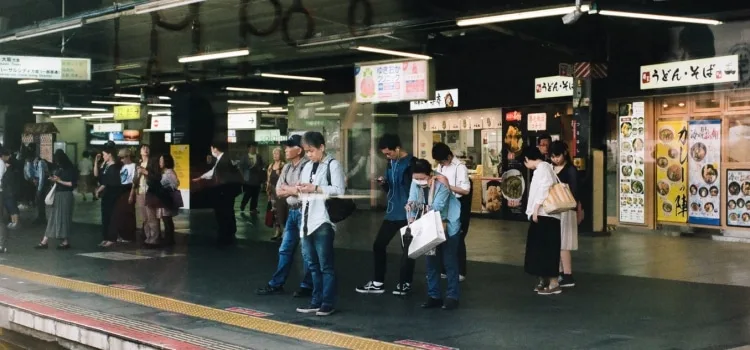
Talking on the phone inside commuter trains is generally frowned upon, so the modern workaround is obvious: endless scrolling in silence. You will see people checking messages, reading manga, watching short videos, or staring so deeply at the screen that the rest of the carriage disappears.
Phones are everywhere, but the train stays relatively quiet because the usual expectation is silent mode, headphones, and no loud calls. That contrast between full attention on a device and near-total silence is part of what makes Japanese trains feel so distinctive.
The door blockers
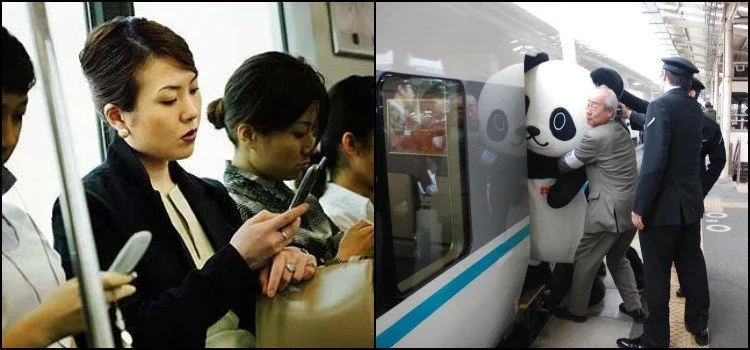
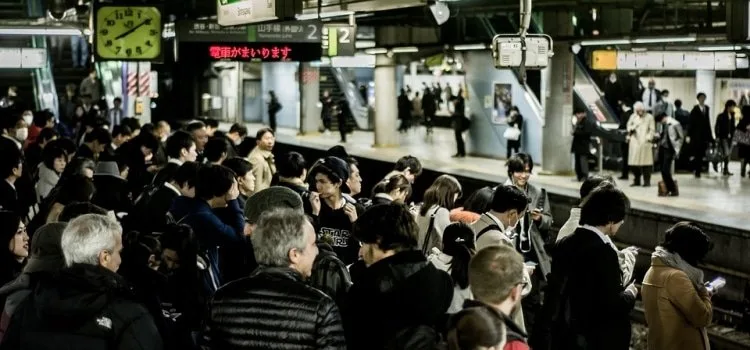
Not every train passenger is graceful. Some plant themselves by the doors and forget that dozens of people need to get on and off at every stop. In Tokyo and other big cities, that one person lingering in the doorway can slow down an entire stream of commuters.
Good manners on Japanese trains usually mean stepping aside, letting people get off first, and moving back inside once the flow clears. When someone ignores that rhythm, everyone around them notices immediately.
The backpack wall builders
Rush hour has its own minor villains, and the oversized backpack is one of them. A bag worn high on the back can hit shoulders, block space, and turn a crowded car into an obstacle course.
That is why many regular commuters move their backpack to the front, hold it at their side, or place larger items on the rack. It is a small habit, but on a busy train it makes a real difference for everyone standing nearby.
The priority seat stalemate
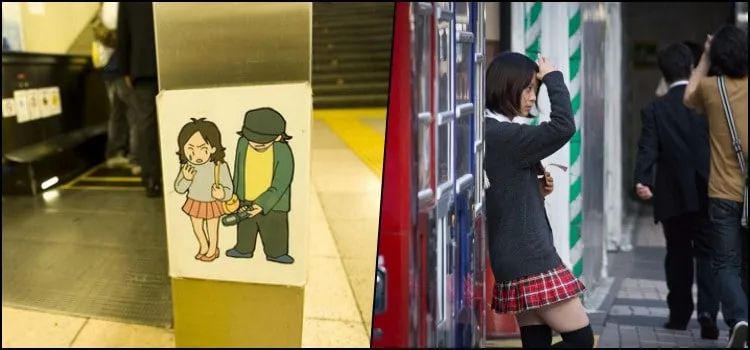
Priority seats are easy to spot, but the social dance around them is more complicated. Sometimes an elderly passenger, a pregnant rider, or someone carrying a small child stands right in front of a seated commuter who is pretending not to notice.
At other times, someone offers the seat and the other person politely refuses. That awkward hesitation is common enough to become its own train scene in Japan, where embarrassment can be as powerful as courtesy.
The loud friend groups
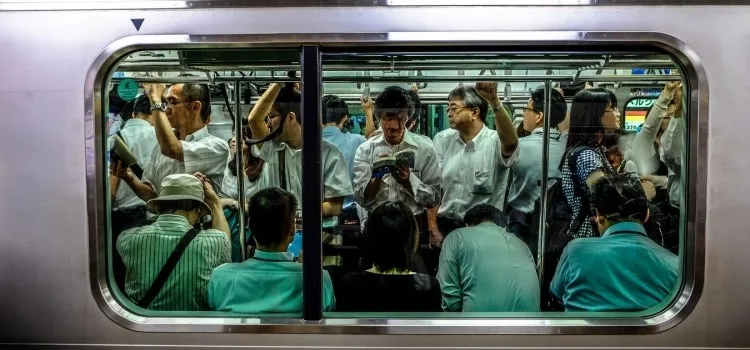
Japanese trains are not perfectly silent, despite the stereotype. Most passengers keep their voices low, but a group of students, coworkers, or friends can change the mood of the whole carriage in seconds.
They are not always rude on purpose. Sometimes they are simply relaxed, animated, and louder than they realize. On a train where most people are speaking softly or not at all, even an ordinary conversation can sound dramatic.
The private bubble commuters
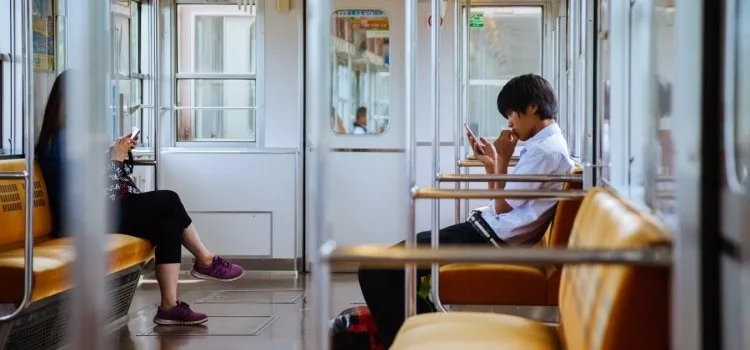
Then there are the passengers who seem to build an invisible wall around themselves. They avoid eye contact, keep their posture compact, and make it clear that the train ride is personal time, not social time.
That does not necessarily mean they are cold. On crowded trains in Japan, giving strangers space often means being quiet, discreet, and self-contained. Once you understand that, the reserved mood feels less unfriendly and more like a shared agreement.
That mix of silence, courtesy, routine, and occasional chaos is exactly what makes riding the rails so memorable. If you want to understand the country a little better, watching one carriage for a few stops can teach almost as much as reading a full guide about trains in Japan.



Community
Comments
0 comments
There are no published comments in this language yet.
Send comment