
People love shortcuts when talking about nationalities, but Japan does not fit into a single personality mold. You can meet warm, reserved, curious, blunt, shy, generous, awkward, and unforgettable people in the same week. That is why this list works best as a collection of familiar social types, not as a definition of what all Japanese people are like.
If you spend enough time in the country, some patterns start to appear. Travelers notice them on trains, at work, in bars, in language exchanges, and in everyday conversations. Below are 11 types of Japanese people many foreigners end up meeting sooner or later, along with the good side, the difficult side, and the cultural context behind each one.
Contents 11
The Helpful Guide
Almost every long-term visitor in Japan has a story about someone who stepped in at exactly the right moment. It may be the station employee who leaves the counter to show you the right platform, the older lady who notices your confusion in front of a map, or the stranger who walks you all the way to the correct address instead of pointing vaguely down the street.
This helpful streak often comes from a mix of courtesy, pride in doing things properly, and genuine concern about leaving someone lost. For tourists, this type of person can feel like a lifesaver. Even when the English is limited, the effort is usually real.
Of course, not everyone will stop to help, especially in a rush-hour crowd. Still, when Japanese kindness shows up in practice, it often shows up fully.
The Clock-Precise Type
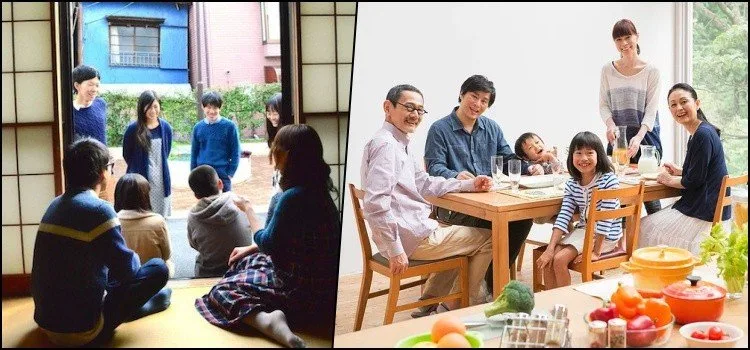
Visitors often hear that everyone in Japan is obsessed with work, and there is some truth in the country's respect for schedules, routines, and social obligations. The more accurate picture, though, is that many people simply take timing seriously. They arrive when they said they would, answer messages with a purpose, and treat lateness as something that affects the whole group, not just one person.
That same mindset appears at school, in offices, and even in casual plans. It can feel refreshing when things run smoothly, but it can also feel stiff if you come from a culture where flexibility is normal. The point is not that every Japanese person is a work machine. It is that time is often treated as shared responsibility.
The Gaijin Hunter
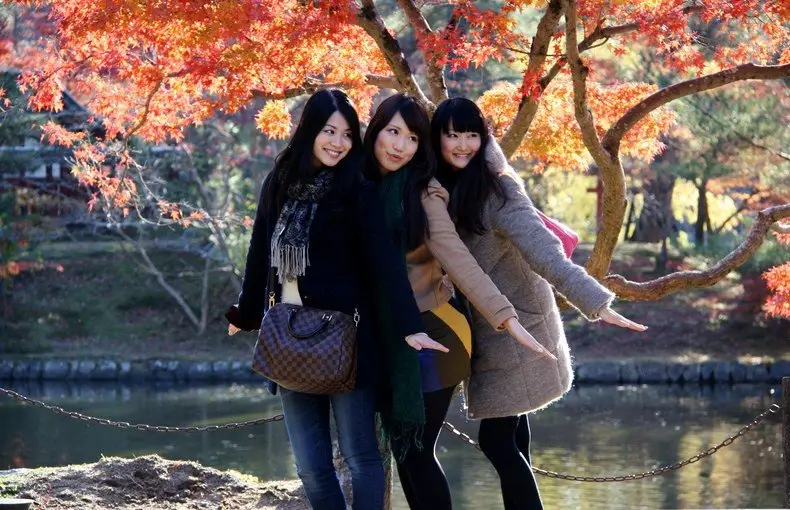
The term gaijin hunter is well known among foreigners in Japan. It usually describes someone who is strongly drawn to foreigners for reasons that are not always innocent. Sometimes the interest is simple curiosity. Sometimes it is a status game, a language-learning fantasy, or a romantic fixation built more on the idea of a foreigner than on the real person in front of them.
This is why the type can be hard to read at first. Japanese politeness already includes attentiveness, so early enthusiasm does not always mean hidden motives. Over time, the difference becomes clearer: are they interested in your personality, or only in your passport, face, and novelty?
There is nothing wrong with intercultural relationships, and many begin in a perfectly healthy way. Trouble starts when the person likes the symbol more than the individual.

The Openly Perverted Type
Japan often looks restrained on the surface, which makes its more explicit side feel surprising to many newcomers. Walk through certain shopping districts and you quickly notice how adult humor, suggestive media, and sexualized products can appear in plain view. That contrast between formal public behavior and a thriving erotic undercurrent catches many foreigners off guard.
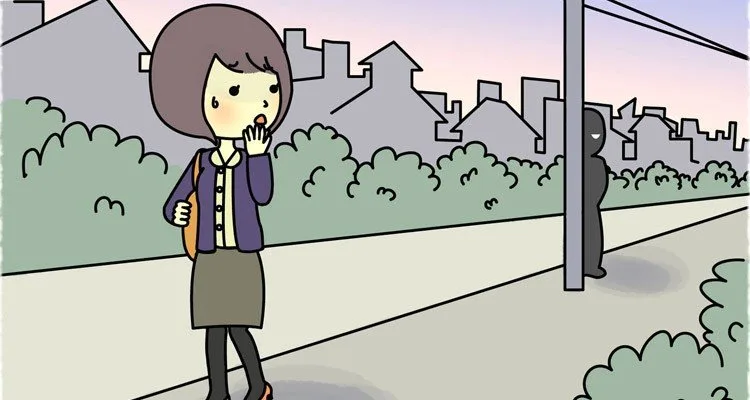
Most people keep a clear line between fantasy and real life, but there are cases where the line breaks in ugly ways. Problems such as voyeurism, harassment, and stalking are part of the country's social reality too, which is why stories about the ero oyaji and train harassment persist. If this side of Japan interests you, it is worth reading about stalking and other issues with open eyes instead of treating everything as a joke.
In other words, the stereotype exists because there is visible material to point at, but it should never excuse disrespectful behavior.
The Reserved and Shy Type
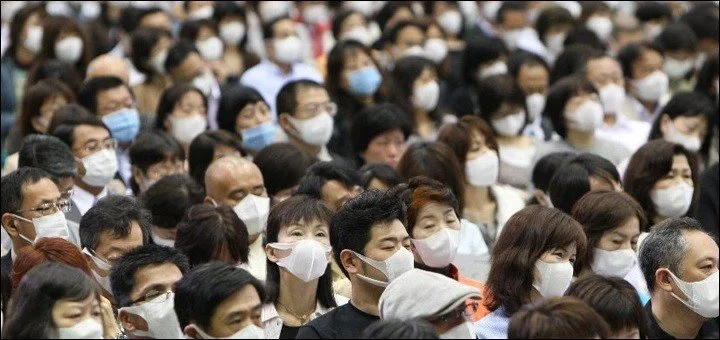
This is probably one of the most common impressions foreigners have. Many Japanese people are careful before opening up, especially with strangers. Silence is not automatically hostility; often it is simply caution, modesty, or a desire not to bother the other person.
That reserve can appear in dating, friendship, class, and work. Some people are terrible at expressing affection directly. Others worry about saying the wrong thing in another language. On a train, the person moving away from you may not dislike foreigners at all; they may only feel nervous about an unexpected interaction.
At the same time, shyness should not be romanticized. For some people it turns into isolation, social anxiety, or long periods of withdrawal. That is one reason articles about hikikomori still resonate with so many readers.
The Work-First Conformist
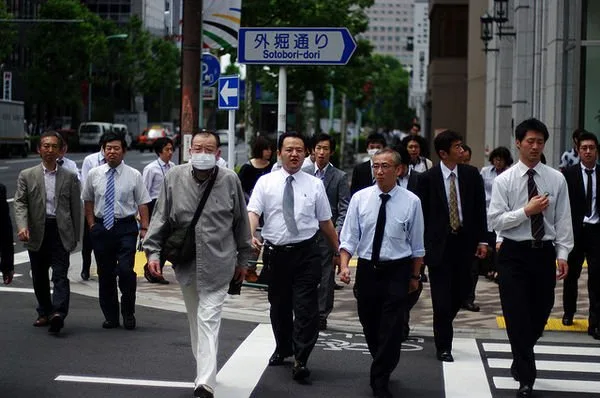
Another recognizable type is the person who does everything the way the system expects. They follow the manual, respect hierarchy, stay late because everyone else stays late, and keep pushing even when the task no longer makes sense. From the outside, this can look robotic, but usually it is less about lacking personality and more about years of training in group discipline.
This type exists in schools, companies, clubs, and families. The benefit is reliability. The downside is that some people struggle to say no, challenge wasteful routines, or protect their own time. When that pressure goes too far, the result is exhaustion rather than virtue.
Not everyone in Japan lives this way, but enough people do that the pattern becomes impossible to ignore.
The Quiet Multi-Talent
Some Japanese people keep their personal lives under wraps so well that you feel you know them for months before discovering anything meaningful. Then, out of nowhere, you learn they speak fluent Portuguese, trained in classical dance, lived abroad for years, or have an unexpected side business.
This happens partly because self-promotion is often toned down in Japanese social life. A person may avoid talking about achievements simply because bragging feels uncomfortable. Unless the topic comes up naturally, their hidden side stays hidden.
That is why this type can feel almost ninja-like. The surprise is not that they are unusual, but that they stayed quietly impressive for so long. Sometimes the most private person in the room has the best story.
If you enjoy these hidden layers of communication, the Japanese idea of keeping secrets says a lot about how people decide what to reveal and when.

The Aspiring Cosmopolitan
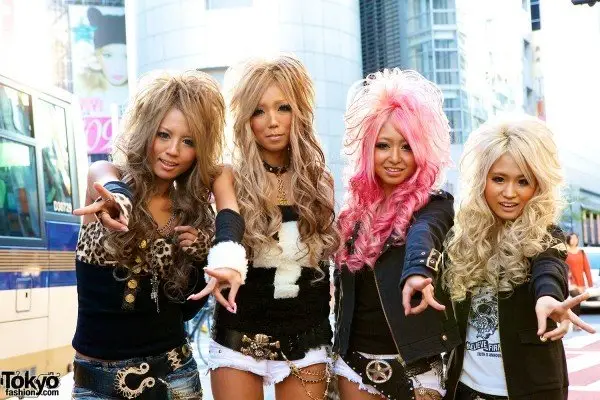
Some Japanese people feel deeply drawn to life outside Japan. They study languages, collect foreign music, travel whenever they can, and light up the moment an international topic appears. At their best, they are open-minded, curious, and genuinely eager to widen their world.
At their worst, they can become exhausting. A few fall into the habit of dismissing Japan as hopeless while idealizing everything foreign. Others are so eager to connect with outsiders that they stop meeting people as individuals and start treating them as tickets to another culture.
Still, the healthy version of this type is easy to like. Their curiosity often creates the most memorable conversations a foreign visitor has in Japan.
The English Practice Seeker
If you look visibly foreign, there is a fair chance someone will use you as an unexpected English lesson. They may hear your accent, assume English is your native language, and switch immediately even if your Japanese is better than their English.
Sometimes this is charming. Sometimes it is tiring. The person usually means well, but the exchange can become one-sided fast: they want practice more than connection. You become conversation material before becoming a real acquaintance.
This type overlaps with the aspiring cosmopolitan, but not always. Some are simply nervous learners trying to seize a rare chance to speak. If you have patience, these moments can be funny and endearing. If not, they can feel like being drafted into a free language class.

The Foreigner Reminder
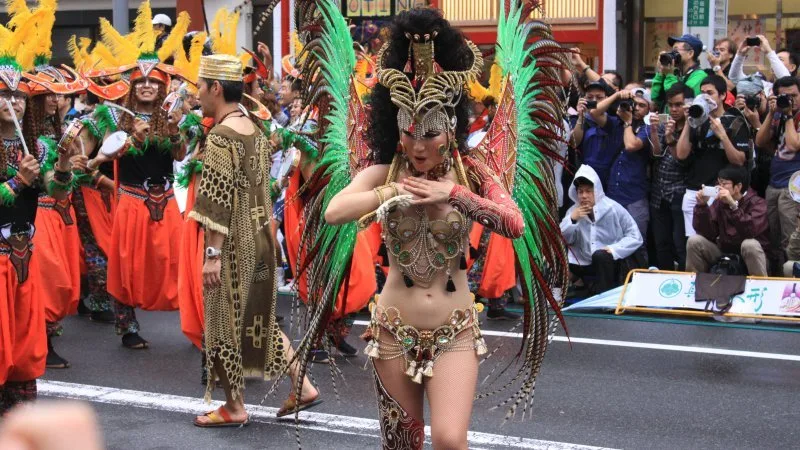
Living in Japan often means being reminded, in small ways, that you are not seen as fully local. Someone answers in English after you speak Japanese. A restaurant offers you a fork before you ask. A stranger hears your nationality and immediately says football, anime, samba, or another familiar cliché.
Most of the time, this is not meant as hostility. It is often an awkward attempt to be helpful, friendly, or relatable. The problem is that repetition wears people down. Even harmless assumptions become tiring when they happen every week.
Many foreigners learn to laugh at it, but it still reveals something important: in Japan, being visibly different can shape the interaction before your personality has a chance to do the work.
The Prejudiced Type
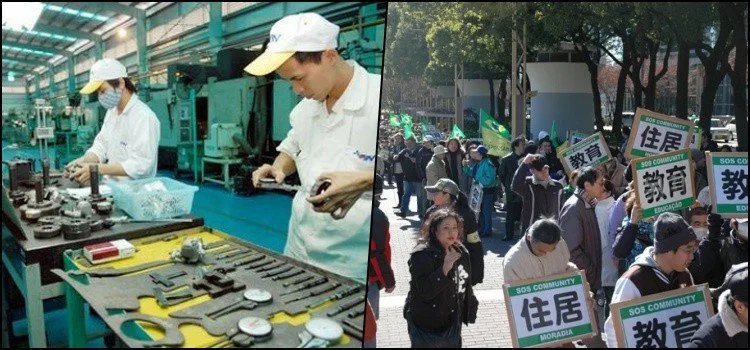
It would be dishonest to end a list like this without mentioning prejudice. Most interactions foreigners have in Japan are neutral or good, but exclusion and suspicion do exist. Sometimes it appears in blunt comments. Sometimes it appears in distance, gossip, or a clear feeling that you are unwelcome.
Older stereotypes, media narratives, language barriers, and bad experiences all feed this behavior. None of that makes it acceptable, but it does explain why prejudice in Japan often looks indirect rather than explosive. You may not get a loud confrontation. You may get coldness, assumptions, or social walls.
The healthiest response is usually the simplest one: recognize the pattern, do not internalize it, and keep your distance from people who reduce you to a category.
These 11 types are not scientific boxes, and many people move between them depending on age, mood, work, and context. Even so, they reflect situations that travelers, students, and long-term residents notice again and again. If you have spent time in Japan, you have probably met at least a few of them already.



Community
Comments
0 comments
There are no published comments in this language yet.
Send comment