
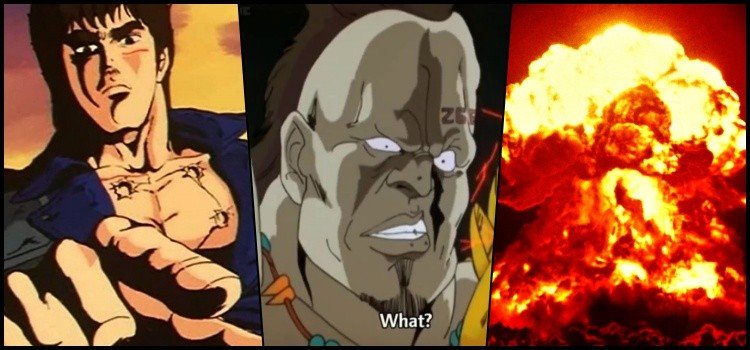
If you have ever surfed the internet, you have probably heard someone say “Omae wa mou shindeiru” followed by a loud “NANI?”. This expression went viral in videos, memes, and even musical remixes. But do you know where this phrase came from and what it means? Let’s dive into the origin and context of this cultural phenomenon.
The Meaning of “Omae wa mou shindeiru”
The Japanese expression “Omae wa mou shindeiru” (お前はもう死んでいる) literally means “You are already dead”. The phrase gained popularity thanks to the anime Hokuto no Ken, released in 1983. The protagonist Kenshiro, master of the martial art Hokuto Shinken, uses this expression to declare the imminent death of his opponents after delivering fatal blows.
But why did this phrase become so iconic? Simple: the way Kenshiro pronounces it, with total confidence and coldness, followed by the surprise of the opponent exclaiming “NANI?” (何, which means “What?”). This reaction creates a comedic and impactful contrast, perpetuated as a meme on the internet.
Understanding the Expression
Let’s break down the phrase for better understanding:
- お前 (Omae) – You (in a rude and direct way);
- もう (Mou) – Already, now, soon;
- 死んでいる (Shindeiru) – Dead;
The phrase indicates that the opponent’s fate is already sealed, even if they have not yet realized it. Kenshiro usually says this after delivering fatal blows that take a few seconds to take effect, increasing the dramatic tension.
The Origin of the Meme
The meme began to gain popularity in 2017, when videos featuring the phrase “Omae wa mou shindeiru” and the reaction “NANI?” started circulating on social media and YouTube. The expression was already known among anime fans, but its viral explosion occurred with the creation of parodies, remixes, and comedic edits.
Evolution on the Networks
The initial milestone occurred in 2010, with the creation of the page “You Are Already Dead” on the TV Tropes site, explaining the combat technique from the anime. However, it was only in 2017 that the meme gained traction, when hilarious videos mixing the phrase with absurd situations began to be published.
The Anime “Hokuto no Ken”
Hokuto no Ken (北斗の拳), also known as Fist of the North Star, first aired in 1983. Set in a post-apocalyptic world, the anime follows Kenshiro, a warrior who wanders through devastated lands in search of his fiancée Yuria, kidnapped by his rival Shin.
The martial art Hokuto Shinken allows Kenshiro to attack the pressure points of the human body, causing the enemy to explode from the inside out. After delivering the blows, Kenshiro usually says the iconic phrase, while the opponent, unaware that they are already doomed, reacts in shock.
Cultural Impact
The brutal fighting style and muscular appearance of Kenshiro set a standard for action characters of the time. The iconic phrase was so striking that even a Japanese antivirus called VirusKiller, released in 2003, used the expression when eliminating malware.

Animes that Used the Hokuto Shinken Technique
The concept of a fatal blow that takes time to take effect has also inspired other animes:
- Battle Angel Alita: The martial art “Panzer Kunst” focuses on delayed strikes, similar to Hokuto Shinken.
- Black Bullet: The character “Kisara Tendo” uses a strike that causes the enemy’s death some time after impact.
- Dragon Ball: Some characters also use strikes that affect the opponent after a few seconds.
This idea of “delayed death” has become a cliché present in various productions, especially when focusing on supernatural martial arts.

Why Did the Meme Become So Popular?
The formula is simple: the combination of a threatening phrase said with confidence and the exaggerated reaction of shock creates an irresistible comedic effect. Furthermore, the dramatic and exaggerated nature of 80s anime fits well with contemporary internet humor.
The meme also became popular for being easily adaptable: any situation where someone does not realize an imminent danger can be illustrated with “Omae wa mou shindeiru… NANI?”. This allowed for the creation of countless remixed videos and parodies.
Leave a Reply