
When we talk about traditional Japanese architecture, roofs are one of the most striking expressions. Known as yane [屋根], these roofs blend functionality, aesthetics, and symbolism. From ancient times to the present day, they shape the urban and rural landscape of Japan, adapting to the climate and cultural values.
Even in antiquity, the roof was more than protection against rain; it showed social status and expressed spiritual values. From contact with China and Korea, new techniques enriched local architecture, giving rise to the complex styles we know today.
Contents 11
The Historical Evolution of Japanese Roofs
The first roofs in Japan were simple thatched coverings, focused on withstanding the humid and rainy climate. With the introduction of Buddhism during the Asuka period, more sophisticated techniques emerged, such as the use of ceramic tiles.
During the Heian era (794–1185), roofs gained greater aesthetic importance, and in the Edo period (1603–1868), elegant curves became a trademark. Each era added new technical and symbolic elements.
Traditional Structures: Main Types of Roofs
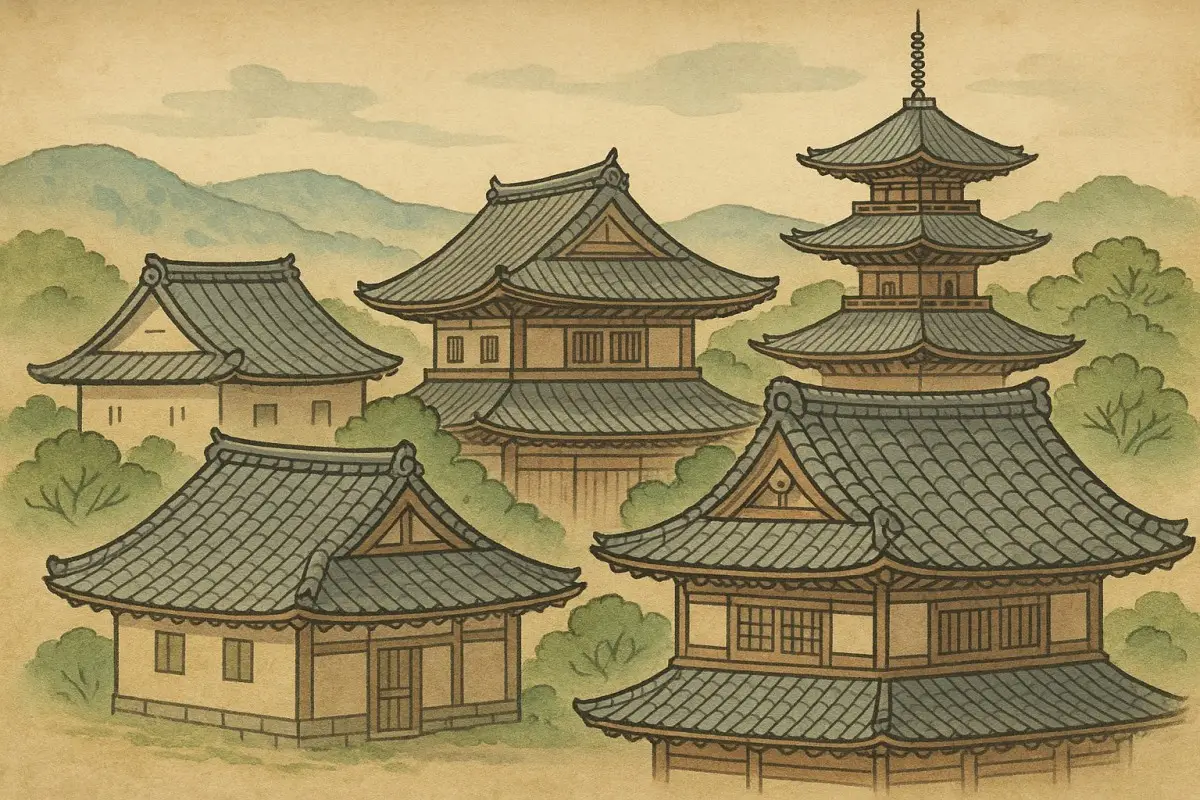
Japanese roofs have specific variations, each with distinct functions and meanings. Let's get straight to the point with the most iconic models.
Irimoya-zukuri [入母屋造]
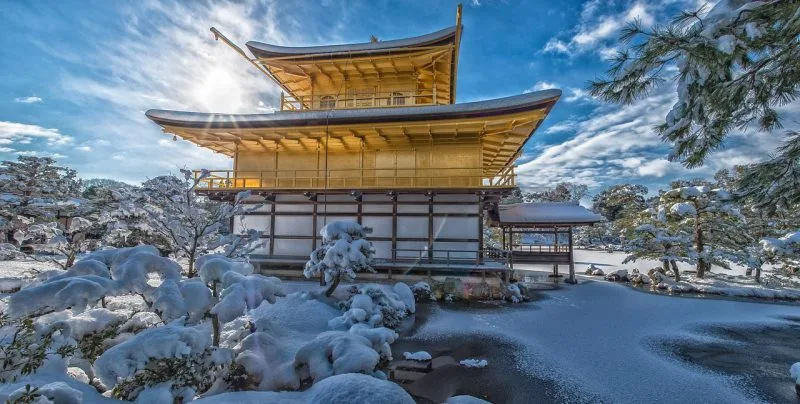
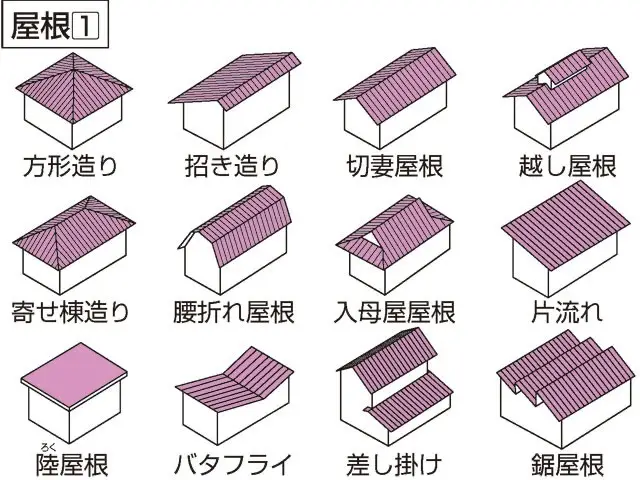
The irimoya-zukuri [入母屋造] combines two slopes at the top and gentler inclines on the lower sides. It is widely used in temples and shrines, creating an imposing yet balanced look. The junction of the lines conveys stability and harmony.
This style became popular mainly after the Kamakura period, when religious architecture began to require larger structures to accommodate more worshippers.
Yosemune-zukuri [寄棟造]
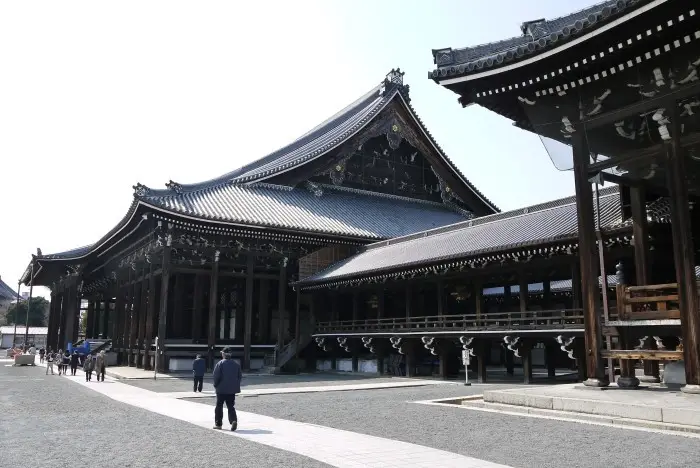
The yosemune-zukuri [寄棟造] features four inclined slopes, forming a gentle pyramid. It is ideal for protecting against heavy rains and strong winds, which is why it is common in rural houses and buildings in mountainous regions.
The simplicity of the structure does not hinder elegance: the extensive eaves create shadows that cool the interior spaces during summer.
Kirizuma-zukuri [切妻造]
The kirizuma-zukuri [切妻造] is the classic gable roof, with a triangular shape. This model is highly functional and easy to build, being found in both traditional houses and in warehouses and shops.
Despite its simplicity, it can gain decorative ornaments at the ends, such as small sculptures or stylized tiles.
Hogyo-zukuri [宝形造]
The hogyo-zukuri [宝形造] is characteristic of Buddhist pagodas. It features a pyramidal roof with four or more inclined sides that meet at the top in a single vertex.
This vertical shape accentuates the spiritual connection with the sky, while its layered structure creates a sense of ascension and elevation.
Shikoro-buki [しころ葺き]
The shikoro-buki [しころ葺き] stands out for the use of multiple layers of overlapping tiles, creating a wavy appearance. This style was very common in castles and fortresses, as it offered greater resistance against fires and attacks.
In addition to protection, the robust and ornate look conveyed authority and power.
The Symbolism of Japanese Roofs
Roofs are not just physical barriers against the weather, but also express spiritual beliefs. Elements such as the onigawara [鬼瓦] — a tile decorated with the face of a demon — are common, serving as protection against evil spirits.
In temples and shrines, the roof represents the transition between the earthly world and the divine. Therefore, they are designed with gentle curves and eaves that seem to float, creating an atmosphere of lightness.
Materials and Craft Techniques
Traditional Japanese roofs are primarily constructed with wood and ceramic tiles. Japanese cypress (hinoki [檜]) is the most valued material, due to its durability and resistance to insects.
The tiles kawara [瓦] are molded from clay and fired, ensuring waterproofing and fire resistance. Often, these tiles are fitted without nails, using only weight and precise positioning — a technique known as yane-bari [屋根張り].
The artisans specialized in building these structures are the miyadaiku [宮大工], masters of traditional carpentry, who pass their skills down from generation to generation.
The Influence on Modern Architecture
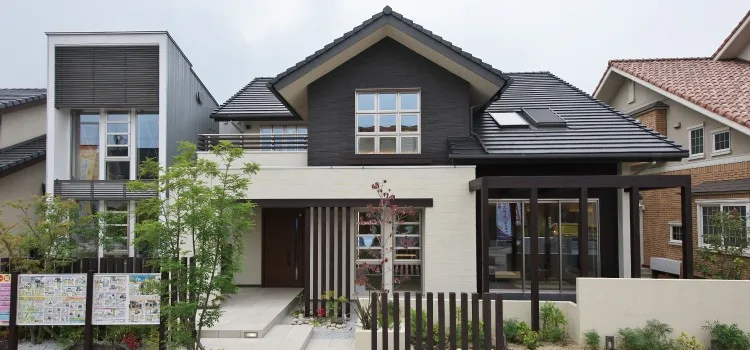
Despite urbanization, many elements of traditional roofs remain present in contemporary architecture. Modern architects reinterpret lines and materials, creating designs that balance tradition and innovation.
Examples include museums and cultural centers, such as the Nezu Museum, which uses extended eaves and sloped roofs to integrate with nature, respecting the principles of Japanese design.
This legacy also inspires international works, where architects incorporate Japanese aesthetics into residential and public projects.
Final Considerations
Japanese roofs are much more than utilitarian structures. Each type carries centuries of history, tradition, and spiritual significance. When observing a temple, a castle, or a country house in Japan, notice how the roof shapes not only the aesthetics but also the philosophy and way of life of the country.
Want to deepen your appreciation for Japanese culture? The next time you travel or study architecture, pay attention to the details of the roofs: they tell silent but powerful stories.


Community
Comments
0 comments
There are no published comments in this language yet.
Send comment