
Imagine living in a city where traffic jams are a thing of the past, where energy is generated locally and shared among residents, and where technology works in harmony with the environment to provide a more sustainable and connected life. This is the reality of Fujisawa Sustainable Smart Town (SST), a pioneering project in Japan that, since its inauguration in 2014, has served as a model for the development of smart cities around the world.
Contents 5
Evolution and Expansion of Fujisawa SST
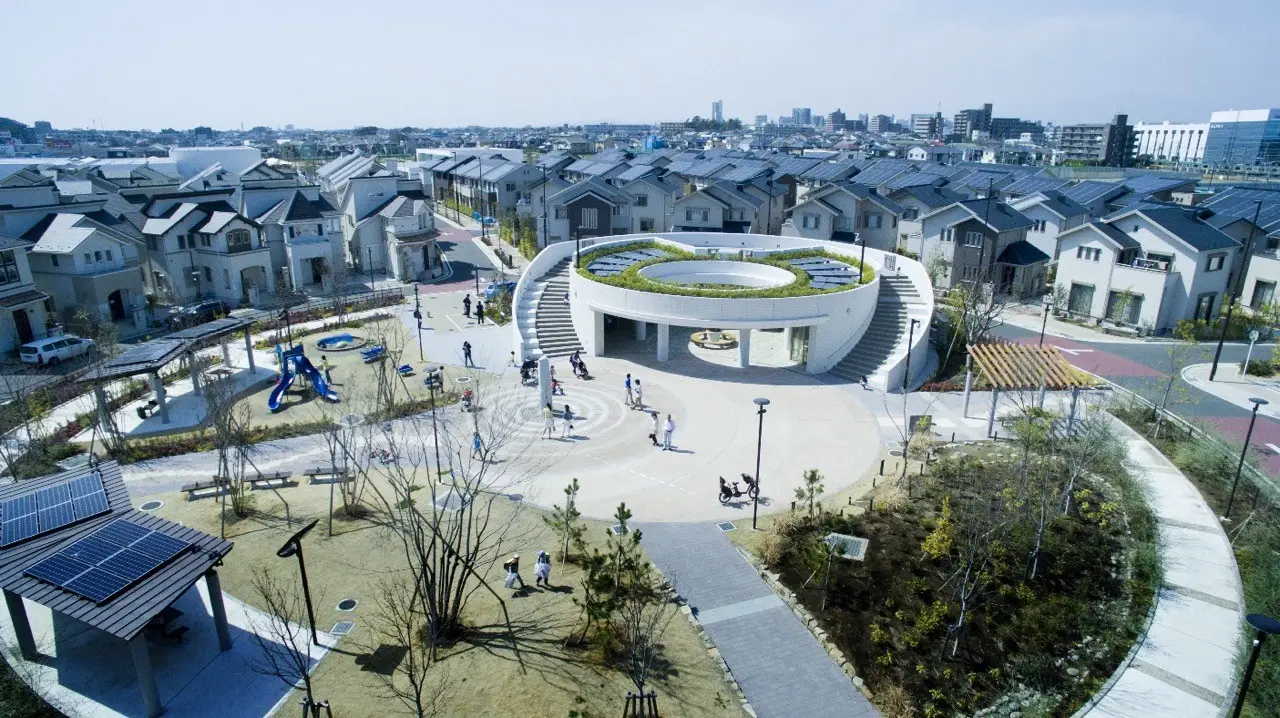
Located about 50 km from Tokyo, Fujisawa SST was built on the site of an old Panasonic factory, transforming an industrial area into a sustainable residential neighborhood. The project, led by a consortium of private companies and local authorities, was conceived with the vision of creating a community that could thrive for 100 years, integrating technology, sustainability, and well-being.
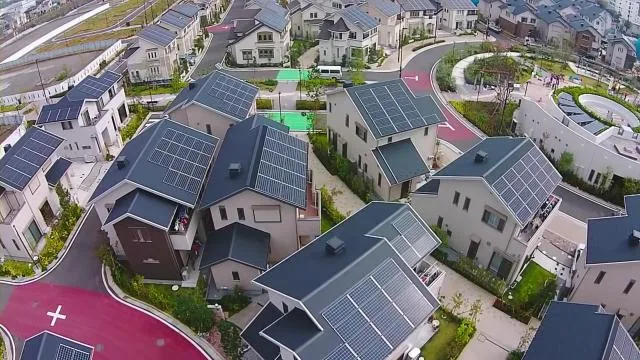
Over the years, Fujisawa SST has expanded to include more than 1,000 residences, as well as commercial, educational, and health facilities. Each home is equipped with solar panels, energy storage systems, and smart home management technologies (HEMS), allowing residents to monitor and optimize their energy consumption. In addition, the city has an infrastructure that ensures energy supply for up to three days in the event of natural disasters, reinforcing its resilience.
Technological Innovations and Sustainability
Fujisawa SST continues to be a testing ground for new sustainable technologies. Recently, Panasonic began implementing glass-based perovskite solar panels, which offer greater efficiency and design flexibility, allowing energy generation in locations where conventional solar panels cannot be installed.
Another notable initiative is the Circular Town Project, which aims to optimize resource use and minimize waste. By analyzing material flows within the community, the project seeks to improve recycling efficiency and reduce raw material consumption. Examples include sharing excess renewable energy generated by residences with city facilities, ensuring a balanced and consistent supply.
Mobility and Quality of Life
Sustainable mobility is one of the pillars of Fujisawa SST. The city offers electric vehicle and bicycle sharing services, encouraging residents to adopt eco-friendly transportation. In addition, the urban infrastructure has been designed to be pedestrian-friendly, with safe streets and well-maintained green areas, promoting an active and healthy lifestyle.
The quality of life for residents is further enhanced by integrated security systems, which include surveillance cameras and smart sensors, providing a safe environment without compromising privacy. Health services are also integrated into the city's infrastructure, with clinics and wellness centers accessible to all residents.
As we face global challenges such as rapid urbanization, climate change, and an aging population, initiatives like Fujisawa SST offer a promising model for the future of cities.
What is the Result of Fujisawa SST today?
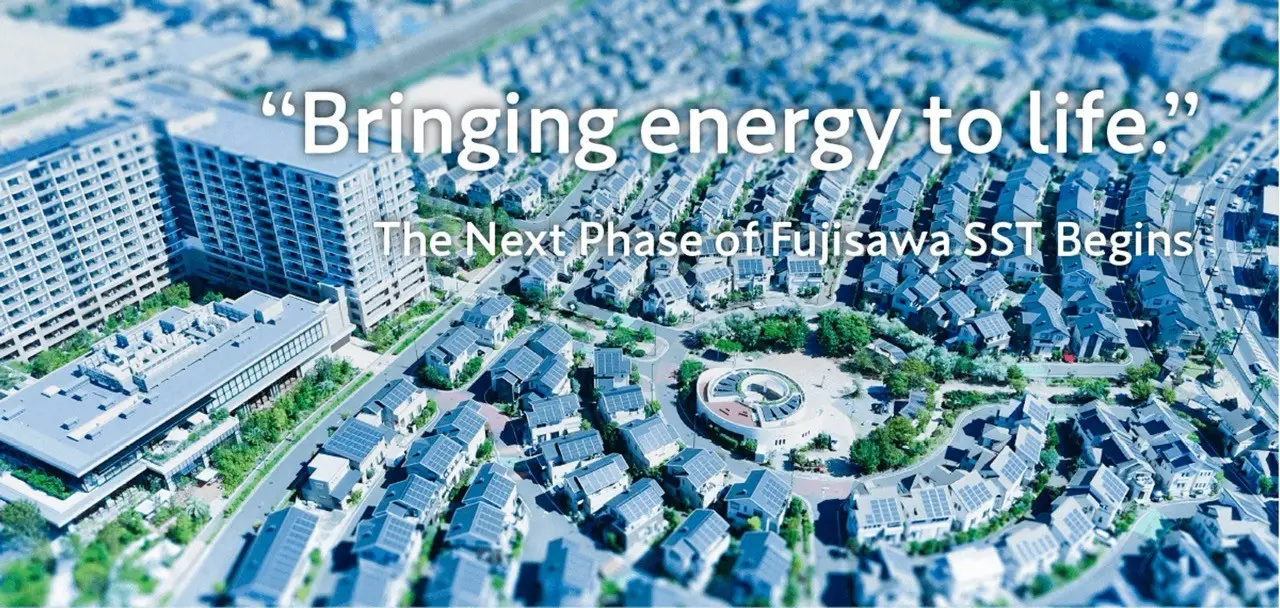
Throughout the article, we noted that the homes in Fujisawa have had updates to their solar panels, new projects involving circular economy, energy sharing, vehicle rentals, and even community housing.
It is estimated that by 2025, Fujisawa Sustainable Smart Town will already house more than 2,000 residents. The neighborhood has evolved into a dynamic urban ecosystem, with schools, clinics, shops, cafés, and community centers fully integrated into the sustainability proposal.
The success of Fujisawa SST has not gone unnoticed. Panasonic and the consortium of partner companies have expanded the concept to other areas, such as:
- Tsunashima SST (Yokohama): focused on innovation and connectivity with the academic community.
- Suita SST (Osaka): aimed at the aging population, with solutions focused on well-being and health.
- Future Living Lab, in partnership with universities, to test replicable technologies in other cities.
Concrete Results by 2025
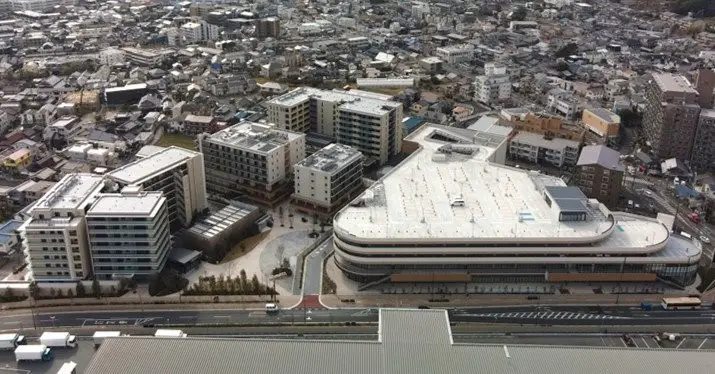
- Average reduction of 70% in energy consumption compared to conventional urban areas;
- More than 100% energy self-sufficiency during sunny periods;
- Ability to operate autonomously for up to 3 days in cases of natural disasters;
- Resident satisfaction rate above 90% in surveys conducted by Panasonic.
These numbers show that the investment — over 60 billion yen — was worth it. And the most interesting part? All this technology has not made the city cold or impersonal, but rather welcoming and community-oriented.


Community
Comments
0 comments
There are no published comments in this language yet.
Send comment