
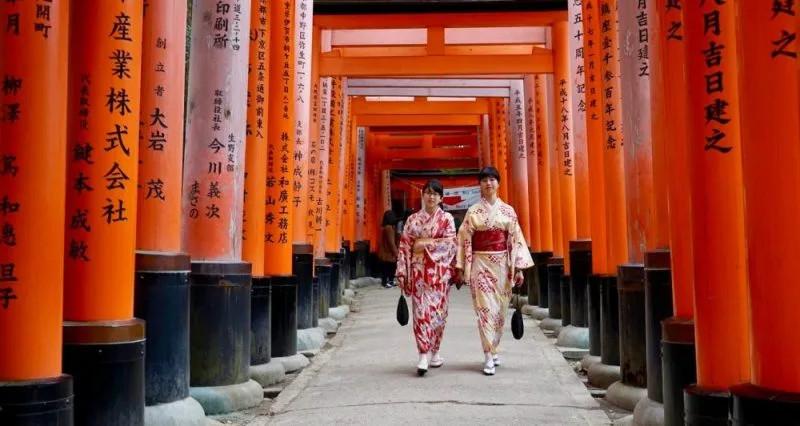
Many people in the West hold that the Japanese are the smartest nation on earth. This text looks at the other side. There are observations in which part of the Japanese look shallow and uninformed, and rarely step past their own horizon. One thing first: I am not talking about all Japanese. People differ, and so do their circumstances.

Contents 9
Why I picked the word «foolish»
The word is harsh. A softer choice would have caused less friction, but also drawn less attention. My aim is not to insult anyone. In Japanese, 馬鹿 (baka) stands for foolishness, and the argument starts from that word.

This text is a set of observations from someone who spent years in Japan and knows Brazil beside it. Treat them as observations, not as a survey.
Daily life, not measured intelligence
In an earlier article I wrote that there is no difference in IQ. The Japanese work hard and follow the rules, and language, food and schooling all support thinking. What follows deals with something else: what a person knows, and whether they are willing to learn more.
There are no stupid people. There are people with less information than others, because their surroundings offer little of it. That distinction matters while reading.
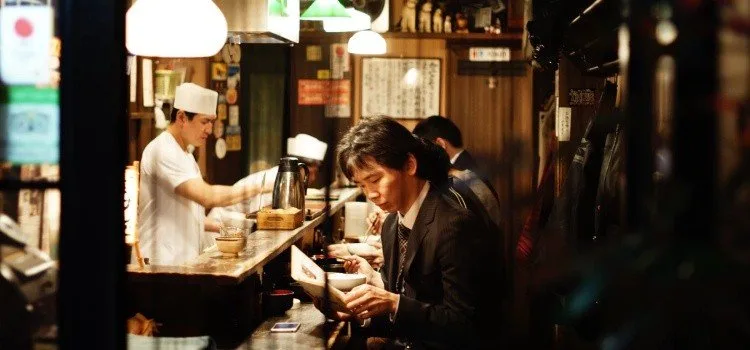
Whoever writes about Japan should name the figures and place them in context. A number without context quickly becomes a weapon in an argument nobody wanted to have.
The suicide rate proves nothing here
When the unhappiness of Japan comes up, the suicide rate soon follows. In 2024 it stood at 16.3 per 100,000, with 20,268 deaths, down from 17.6 in 2023. The figure still says nothing about the character of a culture. Similar values appear in other countries, and the statistics split sharply by age and sex.
Anyone who uses it to explain a whole nation turns a measurement into a prejudice. I do not, and I would not recommend it.
Someone who sees the same people and walks the same routes every day learns little that is new. That is not laziness; it follows from the structure of work, house, family and sleep.
In a small town you rarely meet foreigners and rarely hear another language. Missing contact turns into missing knowledge, and that holds in Brazil too.
Little exchange, wide comfort zone
Many Japanese find it hard to talk to each other. Shyness, stiffness, fear and a lack of initiative leave some of them at a distance from society, living in a quiet routine. Stay in that comfort zone long enough and less information arrives from outside. Fields that do not interest them are never entered.
Being uninformed is not a vice. Someone who does not know something cannot know it until it is shown to them. In school the emphasis falls on memorising rather than discussing, so people can pass exams without forming a position of their own.
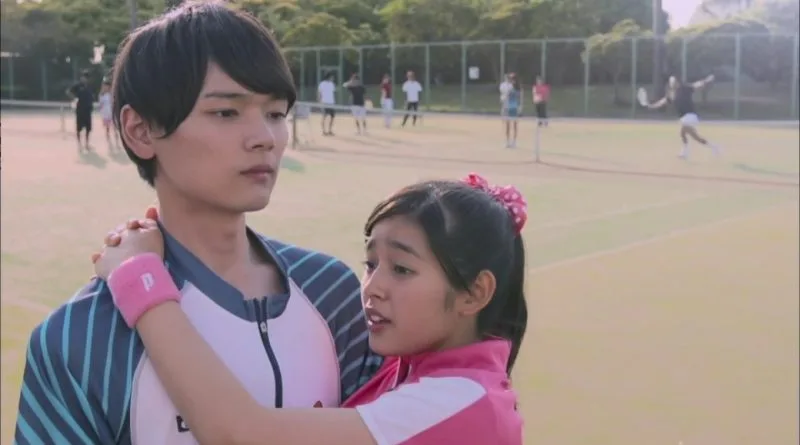
Quick services do exist: trains, vending machines, delivery. They sit next to paper forms and old software, and the two worlds barely touch.
The myth of the tech nation
The idea that every Japanese can handle technology is wrong. Fax machines are still in use, and some people keep flip phones. Technology does not rule the country the way it looks from outside. The Japanese are sharp in the field that interests them, and they do not necessarily learn what lies beyond it.
Brazilians build a solution out of what is at hand. The Japanese would rather pay a plumber, an electrician or a carpenter for work they could do themselves. Offices still run on paper and stamps, and many procedures have not been digitised.
The day at the airport station
I saw it myself. On the way to the airport a signal fell onto the tracks, and the train stood there for more than three hours. The staff stared at the signal and did nothing. Nobody let us out. The signal was not large; two or three people could have moved it. Instead the doors stayed shut and the flight was gone.
Since then I watch how faults are handled in Japan. Usually nothing happens until the person in charge arrives. Responsibility is clearly assigned, and nobody reaches past it. I have also seen the other side: in a shop someone explained a device to me patiently while a long queue waited behind.
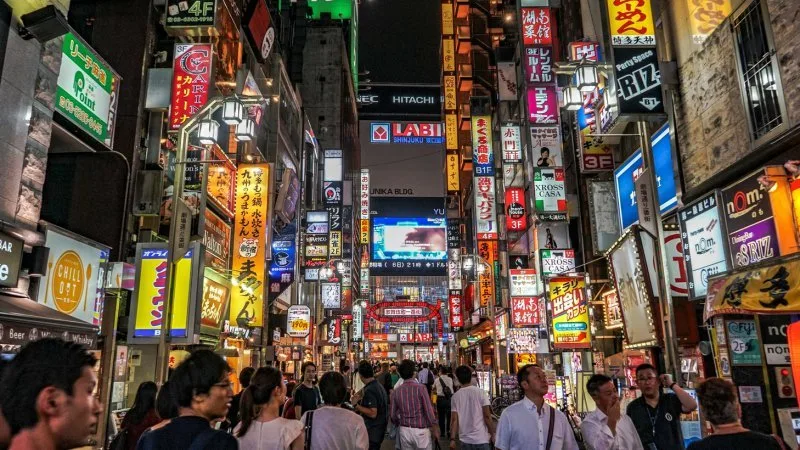
At parties with colleagues there is a lot of drinking and little arguing. Themes that bring conflict stay outside. That protects the evening, and it also keeps anyone from sharpening a view.
What I miss is curiosity. A conversation about a book, an invention or a foreign city rarely starts on its own. Whoever begins one is heard politely, and it seldom goes further.
Shallow conversation
For many people, small talk and trivia mark a shallow mind. Part of the conversation with Japanese stays on food, money and sex. On Instagram I have come across livestreams of someone simply eating for hours. Intellectual debate tends to be avoided, and computer skills are often limited, mostly out of disinterest.
In speech the same adjectives repeat, sound words are frequent, and voices rise. I like that rhythm. For a fast exchange of information it is not efficient, though.
The lightness has a reason. Showing your inside can damage a relationship, and many have learned that. A surface can be hypocrisy, and it can also be a tool that keeps a society running.

The downside shows in a crisis. When everyone looks the same way, objection falls silent. Several scandals in Japanese firms became public only when someone from outside looked in. From inside, the path was too long.
Group thinking and being steered
The Japanese think strongly in groups. The gain: hardly anyone forces an opinion on you, and people leave each other alone. The cost: advertising and fashion work well, impulse buying is common, and when the group heads the wrong way it is hard to turn. A proverb says the nail that sticks out gets the hammer. That is why few people in Japanese companies object out loud.
The price of fitting in is rarely spoken. Whoever adapts all the time loses the habit of disagreeing, and then cannot tell when disagreement would be needed. Young people are shifting this slowly: more say what they think, and changing jobs is no longer unusual.
This article talks about Japan because the site writes about Japan. The same questions can be aimed at any country, Brazil included. We are no exception.
Anyone who feels uneasy reading this has a yardstick in mind that just got tested. It is worth writing it down: what would a person have to know not to count as foolish? And does that hold for us as well?
What does «foolish» mean to you?
Some readers will say none of this has anything to do with foolishness. That view is fair, because the verdict depends on the yardstick. One thing I would keep: calling people who disagree with you foolish is a problem in any society. It happens in Japan, and it happens in Brazil.
The same question can be asked about Brazilians. We improvise, treat rules loosely and show feelings loudly. From a Japanese point of view that can look like disorder. Neither side is better.
The text is a question, not a verdict. Do you think the Japanese are foolish or clever? Which mental habit do you value most in a person? More on this in why the Japanese are smart and is Japan really futuristic.




Community
Comments
0 comments
There are no published comments in this language yet.
Send comment